Wild animals can occasionally enter residential and commercial properties in search of food, water, shelter, or safe nesting locations. While their presence can create property damage and sanitation concerns, responding responsibly is important for protecting both people and local wildlife. Eco-friendly solutions focus on prevention, humane handling, and long-term exclusion rather than unnecessary harm.
Understanding Wildlife Intrusions
Wildlife encounters often occur when buildings provide easy access to sheltered spaces. Open vents, damaged roofing, gaps around pipes, broken screens, and unsecured openings can create convenient entry points. Attics, crawl spaces, garages, chimneys, and sheds may become attractive nesting areas.
Identifying why animals are entering a property is an important first step. Simply removing an animal without addressing the source of the problem can result in repeated activity. A thorough inspection can help identify food sources, water availability, nesting areas, and structural openings that need attention.
Humane Removal Practices
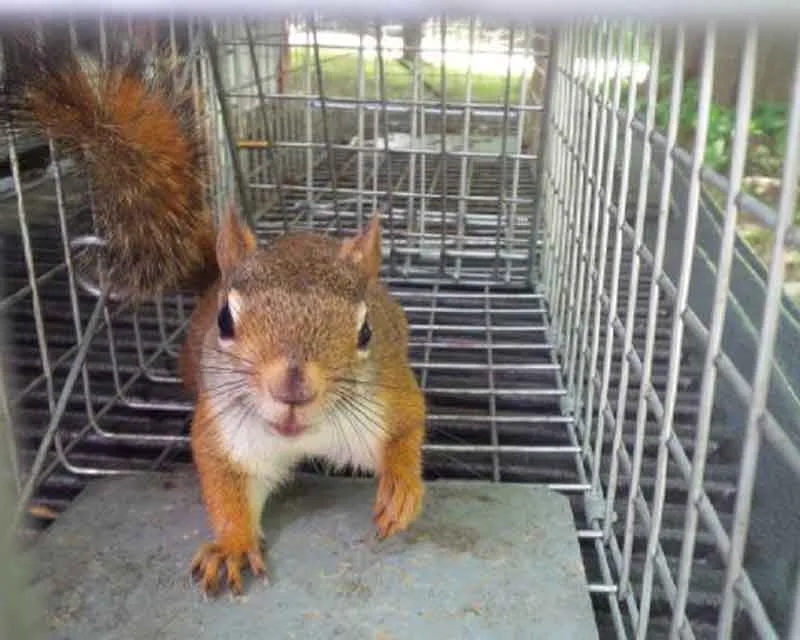
Responsible wildlife removal prioritizes methods that minimize stress and avoid unnecessary injury. Professionals may use appropriate live-capture techniques when suitable for the species and situation. The process should account for animal behavior, nesting seasons, and the possibility that young animals may be present.
Before taking action, professionals can inspect areas carefully to determine whether an animal has established a nest. Separating a parent from its young can create additional problems and may lead to animals attempting to regain access to the property.
Preventing Future Entry
Exclusion is one of the most effective long-term strategies. After an animal has safely left an area, openings can be sealed using durable materials appropriate for the structure. Reinforcing vulnerable locations can prevent animals from returning through the same entry point.
Common prevention measures include repairing damaged screens, covering suitable vents, securing chimney openings, and closing gaps around foundations and rooflines. Materials should be installed carefully so that animals are not trapped inside walls, attics, or other enclosed areas.
Managing Food and Water Sources
Accessible food can encourage wildlife to remain close to buildings. Outdoor garbage containers should be securely closed, while pet food should not be left outside for extended periods. Bird feeders can also attract animals that homeowners may not intend to encourage.
Standing water, leaking outdoor faucets, and poorly maintained drainage areas can provide additional resources. Reducing these attractants can make a property less appealing without directly interfering with wildlife.
Responsible Landscaping
Landscaping choices can influence wildlife activity around buildings. Overgrown vegetation near roofs and walls may provide pathways or shelter for animals. Keeping trees and shrubs properly maintained can reduce access to vulnerable parts of a structure.
Fruit-bearing plants should also be monitored when they are located close to buildings. Fallen fruit can attract various animals, so regularly removing it can help reduce unwanted activity.
Eco-Friendly Wildlife Removal Solutions
Modern wildlife removal focuses increasingly on approaches that balance property protection with responsible treatment of animals. Rather than relying solely on lethal methods, professionals can combine inspection, exclusion, habitat modification, and carefully selected deterrents.
Motion-activated lights, physical barriers, and species-appropriate deterrents may discourage animals from entering certain areas. The effectiveness of these solutions depends on the animal species, property conditions, and reason for the intrusion.
Importance of Professional Assessment
Different wildlife species behave differently and require different handling approaches. An experienced professional can identify signs such as droppings, nesting materials, tracks, noises, and structural damage to determine what type of animal may be present.
Professional wildlife removal can also help ensure that exclusion measures are installed correctly. Improperly sealing an active entry point can trap an animal inside a structure, creating additional health and property concerns.
Protecting Local Wildlife
Wildlife plays an important role in natural ecosystems. Birds, mammals, reptiles, and other species contribute to pollination, seed dispersal, insect management, and food chains. Eco-conscious property management should therefore aim to resolve conflicts without causing unnecessary harm.
Homeowners can support this approach by maintaining clean outdoor areas, avoiding intentional feeding of wild animals, and preserving suitable natural habitats away from buildings where possible.
Long-Term Prevention Strategies
Prevention is more sustainable than repeatedly responding to the same problem. Regular property inspections can identify damaged roofing, loose vents, broken screens, and other potential entry points before they become major issues.
Seasonal inspections may be particularly useful because wildlife behavior can change throughout the year. Preparing structures before periods of increased nesting or shelter-seeking activity can reduce the likelihood of future intrusions.
Conclusion
Eco-friendly wildlife management combines humane handling, structural exclusion, sanitation, landscaping maintenance, and preventive inspections. Effective wildlife removal should address both the immediate intrusion and the conditions that attracted the animal in the first place. With thoughtful planning and responsible prevention, property owners can protect their buildings while supporting healthier relationships with local wildlife.