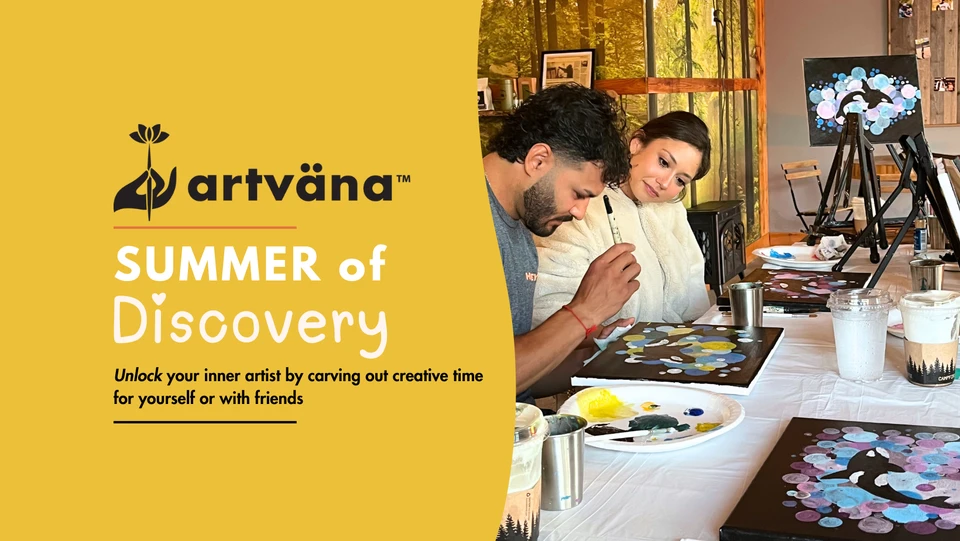

Starting your journey in painting can feel overwhelming, especially if you’ve never picked up a brush before. But acrylic painting is one of the easiest ways for beginners to explore their creativity. With vibrant colors, quick-drying paint, and versatile techniques, it allows anyone to create art with confidence. At Artväna | Acrylic Paint & Sip Events, we’ve seen countless beginners transform blank canvases into stunning works of art. If you’re looking for “acrylic painting for beginners step by step,” these lessons will guide you through your first experience with ease and enjoyment.
Whether your goal is to relax, learn a new hobby, or create a beautiful piece for your home, following a structured approach to beginner acrylic painting ensures success and builds confidence.
Why Acrylic Painting is Ideal for Beginners
Acrylic paints are beginner-friendly for several reasons:
- Water-Based & Easy to Clean: Brushes, palettes, and spills are easy to wash with water.
- Quick-Drying: You can layer colors without long waiting times.
- Versatile: Acrylics can mimic watercolor, oil, or gouache, allowing creative experimentation.
- Forgiving: Mistakes can be painted over easily, making the learning process stress-free.
These qualities make acrylics perfect for beginners, giving you freedom to explore without fear of ruining your artwork.
Materials You’ll Need
Starting acrylic painting doesn’t require much. Here’s a simple beginner-friendly list:
- Acrylic Paints: A basic set with primary colors (red, blue, yellow) plus black and white.
- Brushes: Flat, round, and detail brushes are enough for most techniques.
- Canvas or Paper: Start small to build confidence.
- Palette: For mixing colors (a paper plate works well).
- Water Jar & Cloth: For rinsing brushes and cleaning spills.
At Artväna, we provide all materials in our guided sessions, so you can focus entirely on learning and creating.
Step-by-Step Lessons for Beginner Acrylic Painting
Here’s a structured approach to help you master acrylic painting for beginners step by step:
Lesson 1: Choose Your Subject
Start simple. Pick a subject that is achievable, like a flower, a small landscape, or abstract shapes. Simplicity ensures you stay motivated and focused on learning techniques rather than perfection.
Lesson 2: Sketch Your Design
Lightly sketch your chosen subject onto the canvas with a pencil. Don’t press too hard—these lines will mostly disappear under paint. Sketching helps you organize your composition and feel more confident when applying colors.
Lesson 3: Apply a Base Layer
Use a large brush to fill in the background or base colors. This creates a foundation for your painting and sets the overall mood. For example, a soft blue wash can form the sky, while muted greens can be the base for grass or foliage. Don’t worry about blending perfectly—acrylics can always be layered and adjusted.
Lesson 4: Build Layers Gradually
Acrylics dry quickly, allowing you to add multiple layers in a short time. Start with mid-tones, then apply darker shades for shadows and lighter colors for highlights. Layering creates depth and dimension, bringing your painting to life.
Lesson 5: Add Details
Switch to smaller brushes for fine details. This is where your painting starts to shine. Add textures, highlights, and small elements that define your subject. For instance, if painting a flower, you could refine the petals and stems. Small touches make a big difference in the final artwork.
Lesson 6: Step Back and Observe
Every now and then, step back to view your painting from a distance. This perspective helps you see the overall composition, balance, and color harmony. Adjust colors or shapes as needed—sometimes a small tweak can dramatically enhance your painting.
Tips for Successful Beginner Acrylic Painting
- Experiment with Brushes: Different brushes produce different effects—try flat, round, and detail brushes to see what works for you.
- Mix Colors Freely: Don’t limit yourself to premade shades—mixing colors can create unique tones and add depth.
- Embrace Mistakes: Mistakes are opportunities to learn; acrylics are forgiving and easy to correct.
- Practice Regularly: Short, frequent painting sessions help you improve faster than occasional long sessions.
- Enjoy the Process: Focus on expressing yourself and having fun, rather than achieving perfection.
Why Artväna is the Perfect Guide for Beginners
At Artväna, we make learning acrylic painting for beginners step by step fun, approachable, and social. Our guided paint and sip events offer:
- Step-by-step instruction: Learn techniques in a structured, easy-to-follow way.
- Supportive environment: Beginners receive encouragement and guidance without pressure.
- Hands-on practice: Gain confidence while creating your own unique artwork.
- Social interaction: Enjoy painting alongside friends or fellow beginners in a relaxed atmosphere.
Even if you’ve never painted before, Artväna ensures that you leave with a completed painting you can be proud of.
Conclusion
Learning acrylic painting for beginners step by step is easier than it seems. With a structured approach, basic materials, and a willingness to experiment, anyone can create beautiful artwork.
Remember, painting is about exploration, creativity, and self-expression. Mistakes are part of the process, and each stroke brings you closer to mastering your skills. By following these lessons, practicing regularly, and embracing the joy of painting, you’ll discover just how fun and rewarding acrylic painting can be.
With Artväna, you have guidance, materials, and encouragement every step of the way. Step into the world of art, pick up your brushes, and start creating your first masterpiece today—you never know what incredible pieces of art you might make!