
Making a new medicine is incredibly hard. Even if a chemical works perfectly against a disease in a test tube, it might completely fail when it is given to a human patient. Why does this happen? Because the human body is a highly advanced machine. It is naturally designed to block, break down, and remove any foreign chemicals it finds.
To stop medicines from failing late in the testing process, scientists use early ADME screening and reliable DMPK services. This testing strategy helps researchers understand how the human body may react to a drug long before it ever reaches a human trial.
By moving these vital tests to the very beginning of the discovery pipeline, researchers can avoid costly mistakes and develop much safer medicines.
What Are ADME and DMPK?
Before diving into the testing process, it helps to understand what the scientific acronyms mean. ADME stands for Absorption, Distribution, Metabolism, and Excretion. These are the four major hurdles every medicine must clear to be successful in the human body.
● Absorption: How does the drug get into the bloodstream? If it is a pill you swallow, can it survive harsh stomach acid and successfully pass through the stomach wall?
● Distribution: Once the drug is in the blood, where does it travel? Does it actually reach the diseased organ, or does it get stuck in fat tissues where it cannot help the patient?
● Metabolism: How does the body break the drug down? The liver acts as a chemical processing plant, using special enzymes to chop up foreign substances so they can be removed.
● Excretion: How does the drug finally leave the body? Is it filtered out safely through the kidneys and urine?
Together, these four steps fall under a wider scientific field called DMPK, which stands for Drug Metabolism and Pharmacokinetics. Put simply, while disease biologists study what the drug does to the body, DMPK experts study what the body does to the drug over time.
The Danger of Late-Stage Failures
In the past, drug developers usually focused only on whether a drug successfully killed a virus or stopped a cancer cell. They would wait until the very end of the research process to run ADME and DMPK tests.
This old method caused massive problems. A drug company might spend five years and millions of dollars creating a perfect chemical, only to find out during human clinical trials that the drug was highly toxic to the liver. They might also find out that the body washes the drug out in ten minutes, meaning the patient would have to take a pill fifty times a day for it to work.
When a drug fails in the late stages of clinical trials, it is a complete disaster. The company loses huge amounts of time and money, and patients wait much longer for cures. Because of this, the modern rule for drug makers is simple: "Fail early, fail fast." By running ADME tests sooner, they can discard bad chemicals early and focus all their money and effort on the winners.
How In Vitro DMPK Screening Works
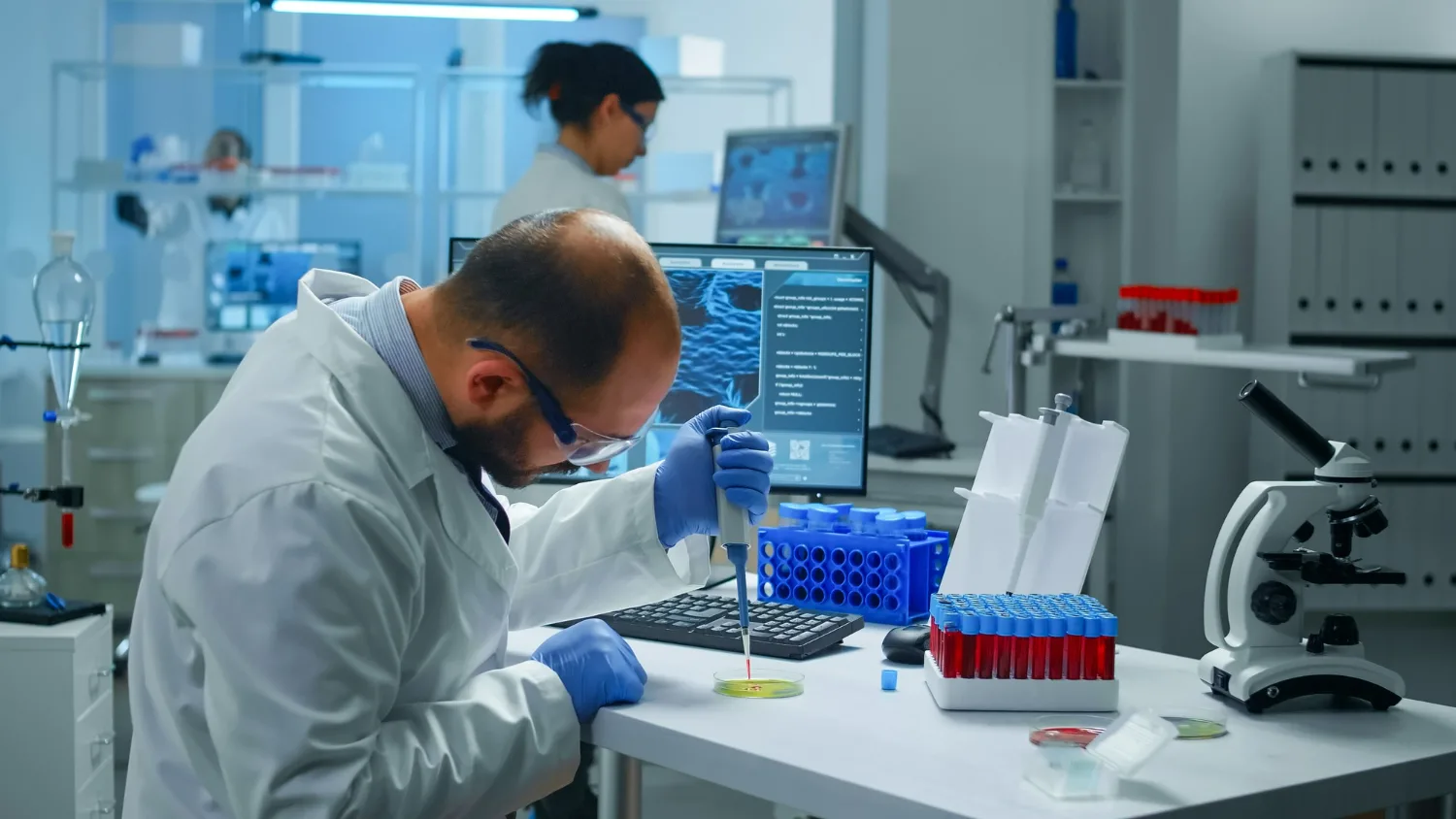
Today, scientists do not have to wait for animal or human trials to learn how a drug behaves. They use in vitro screening. In science, in vitro means testing done outside of a living creature, usually in glass tubes or plastic plates. Modern technology has created amazing ways to mimic the human body in a laboratory setting.
For example, scientists can use laboratory-grown human liver cells to see exactly how quickly a new drug is broken down. They can also use artificial cell walls to see if a medicine can easily cross over the gut and into the bloodstream.
The Value of Expert Partnerships
Running these complex tests requires highly sensitive laboratory machines and trained experts. The data must be perfectly accurate so drug makers can make the right decisions. For many pharmaceutical companies, building their own testing labs from scratch is simply too expensive and takes too much time.
This is why drug developers often choose to partner with outside laboratory experts. Outsourcing this complex work and using specialized DMPK Services can get fast and accurate results without the massive costs of running their own facilities.
These external teams have the daily experience needed to spot tricky problems, such as whether a new drug might interact badly with other common medications. Utilizing professional DMPK Services gives drug makers the confidence to move forward safely, knowing their compounds have been thoroughly checked by dedicated experts.
Conclusion
The path to creating a life-saving medicine is a long one, but it does not have to be a guessing game. By understanding Absorption, Distribution, Metabolism, and Excretion early in the process, scientists can avoid terrible surprises later on. Using in vitro testing helps researchers predict how a human body will handle a drug, allowing them to fix chemical problems before human trials even begin. By relying on expert testing strategies, drug companies can save valuable time, protect their budgets, and deliver much safer medicines to the patients who desperately need them.