Two industries have seen explosive growth in the last few years: e-learning and telemedicine. While one empowers learners across the globe, the other makes healthcare accessible at the click of a button. Both rely on advanced digital platforms, but their development needs differ significantly.
So, what should you know if you’re planning to build either? In this blog, we’ll explore key differences, similarities, and insights from top app development companies to help you choose the right path—whether you’re looking for an education app development company or a telemedicine app development company.
Why Compare E-Learning and Telemedicine?
Both sectors rely heavily on:
- Real-time communication (video, chat, live sessions).
- Scalability (supporting thousands of users).
- Data security (student performance vs. patient health).
- User experience (smooth navigation for all ages).
Yet, their development priorities differ based on compliance, features, and target audience.
E-Learning App Development: Key Highlights
When you hire the best e-learning app development company, the focus is on:
Essential Features
- Interactive classrooms with video conferencing.
- Gamification for student engagement.
- Personalized learning paths powered by AI.
- Progress tracking dashboards.
- Offline access for students in low-network areas.
Goals
- Enhance student engagement.
- Provide scalable e-learning solutions.
- Empower institutions with data-driven insights.
Cost
Custom e-learning app development services generally cost between $25,000 – $120,000, depending on complexity.
Telemedicine App Development: Key Highlights
Partnering with a telemedicine app development company USA means focusing on compliance, security, and accessibility.
Essential Features
- Video & audio consultations.
- Appointment scheduling & reminders.
- Digital prescriptions and pharmacy integration.
- Medical records management.
- AI chatbots for quick queries.
- IoT device integration for real-time health monitoring.
Goals
- Improve patient-doctor convenience.
- Ensure regulatory compliance (HIPAA, GDPR, HL7).
- Provide cost-effective healthcare access.
Cost
The telemedicine app development cost ranges from $30,000 to $150,000+, depending on features like AI or IoT.
Key Differences Between E-Learning and Telemedicine Apps
AspectE-Learning App DevelopmentTelemedicine App Development
Primary Users
Students, teachers, institutions
Patients, doctors, healthcare providers
Core Goal
Skill-building & education delivery
Healthcare access & medical management
Compliance Needs
Data privacy, exam security
HIPAA, GDPR, HL7 compliance
Features
Gamification, quizzes, progress tracking
Video consults, e-prescriptions, IoT monitoring
Cost Range
$25,000 – $120,000
$30,000 – $150,000+
Scalability
Thousands of learners worldwide
High volume of patient consultations
Similarities in Development Approach
Despite differences, both industries share common requirements:
- Real-time video integration.
- Mobile-first design.
- Cloud-native infrastructure for scalability.
- Data encryption for security.
- Cross-platform compatibility (Android, iOS, Web).
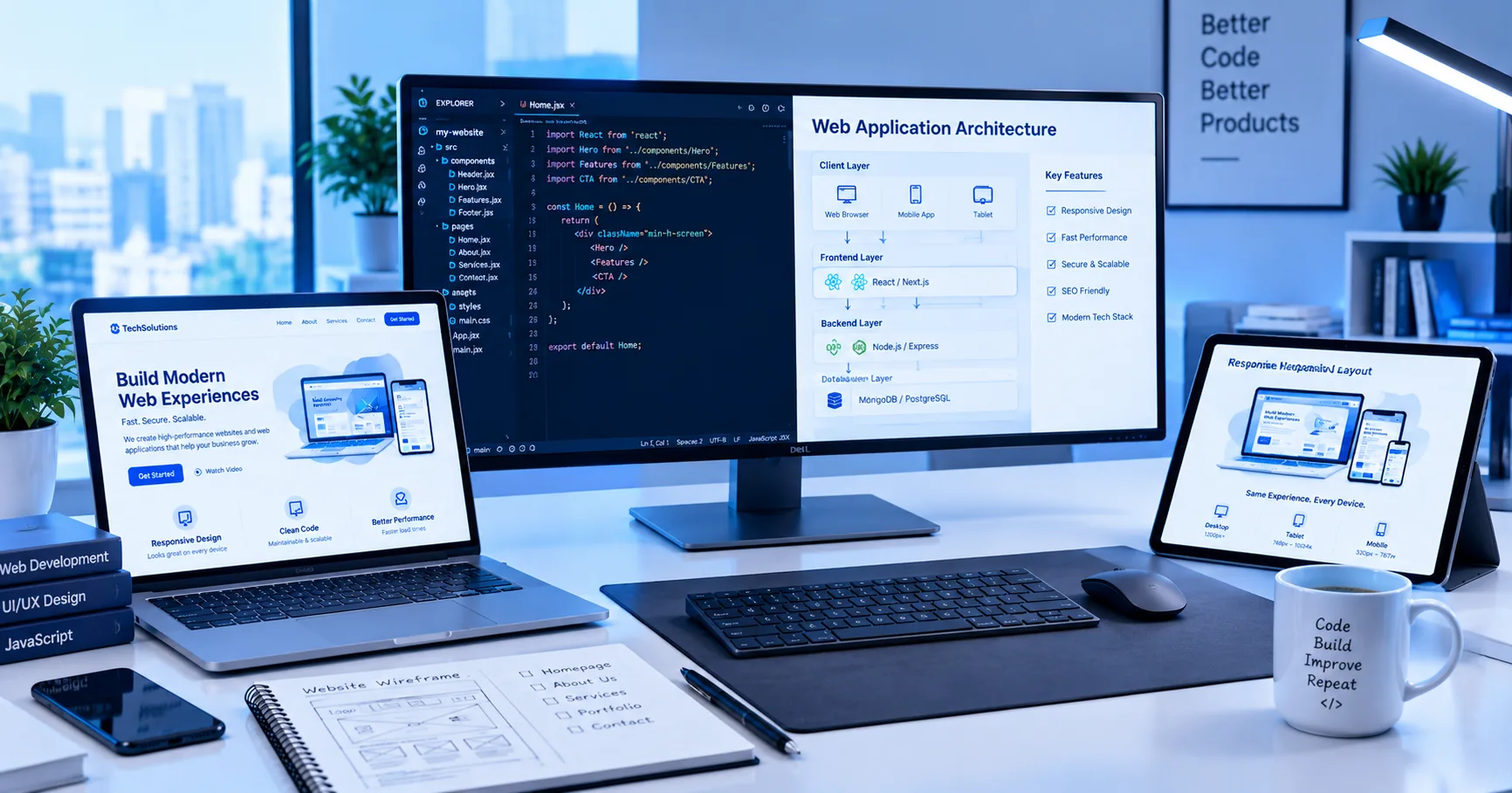
This is why many healthcare mobile app development companies and e-learning developers use similar tech stacks—React, Node.js, Flutter, and AWS/GCP.
Challenges in Development
E-Learning Challenges
- Preventing cheating in online exams.
- Ensuring engagement through gamification.
- Handling heavy multimedia content.
Telemedicine Challenges
- Ensuring compliance with healthcare laws.
- Maintaining video quality for rural users.
- Protecting sensitive patient data.
Expert Insights from Developers
“While both e-learning and telemedicine depend on real-time interactions, telemedicine requires stricter compliance and stronger encryption, whereas e-learning focuses more on engagement and scalability.”
Future Trends in Both Sectors
- AI Integration: Personalized learning in education, predictive diagnosis in healthcare.
- AR/VR: Virtual classrooms vs. remote surgeries.
- Blockchain: Student credential verification vs. immutable medical records.
- Global Reach: Both industries breaking geographical barriers.
FAQs
Q1: Which is more expensive to build—e-learning or telemedicine apps?
Telemedicine apps typically cost more due to compliance and IoT features.
Q2: Can one company build both types of apps?
Yes, many companies specialize in both, offering online learning software development and healthcare solutions.
Q3: Do both require cloud infrastructure?
Yes, cloud-native design ensures scalability for both.
Q4: What’s the timeline to develop these apps?
3–6 months for MVPs, longer for enterprise-grade solutions.
Q5: Which industry has higher growth potential?
Both are booming—e-learning in education and corporate training, telemedicine in healthcare access.
Conclusion
While e-learning and telemedicine serve different industries, both rely on innovative app development to thrive. Whether you want to empower learners or patients, choosing the right partner—be it an education app development company or a telemedicine app development company—is key to success.
Ready to build your next big app? Explore our custom e-learning app development services and telemedicine software development services today.