Cubital tunnel syndrome is a condition that affects the ulnar nerve in the elbow, causing pain, numbness, and weakness in the hand and arm. When conservative treatments are not effective, doctors may recommend cubital tunnel surgery to relieve pressure on the nerve and restore normal function. Modern medical centers such as Liv Hospital provide advanced orthopedic treatments and specialized surgical procedures to help patients recover from nerve compression disorders.
This article explains what cubital tunnel syndrome is, why surgery may be required, and what patients can expect during treatment and recovery.
What Is Cubital Tunnel Syndrome?
Cubital tunnel syndrome occurs when the ulnar nerve becomes compressed or irritated as it passes through a narrow passage called the cubital tunnel, located on the inside of the elbow.
The ulnar nerve is responsible for controlling sensation in the ring and little fingers and plays a role in hand movement and grip strength. When this nerve becomes compressed, it can lead to discomfort and difficulty performing everyday tasks.
The condition is somewhat similar to carpal tunnel syndrome but occurs at the elbow rather than the wrist.
Causes of Cubital Tunnel Syndrome
Several factors can contribute to pressure on the ulnar nerve in the elbow. Common causes include:
- Repeated bending of the elbow for long periods
- Leaning on the elbow frequently
- Direct injury or trauma to the elbow
- Bone spurs or arthritis affecting the joint
- Thickening of surrounding tissues or ligaments
- Prolonged pressure on the elbow during sleep
People who perform repetitive arm movements or keep their elbows bent for extended periods may have a higher risk of developing this condition.
Symptoms of Ulnar Nerve Compression
Cubital tunnel syndrome usually develops gradually, and symptoms may worsen over time if left untreated.
Common symptoms include:
- Numbness or tingling in the ring and little fingers
- Weak grip strength
- Pain or discomfort in the elbow
- Difficulty performing fine motor tasks
- Hand weakness or muscle wasting in severe cases
Symptoms may become more noticeable when the elbow remains bent for long periods, such as while sleeping or using a phone.
When Is Cubital Tunnel Surgery Needed?
In many cases, cubital tunnel syndrome can initially be managed with non-surgical treatments such as rest, physical therapy, splints, and lifestyle modifications. However, if symptoms persist or nerve damage progresses, surgical treatment may be recommended.
Doctors may suggest surgery when:
- Numbness and weakness continue despite conservative treatment
- Symptoms interfere with daily activities
- Muscle weakness begins to develop
- Nerve damage is confirmed through diagnostic tests
Detailed information about the procedure can be found on the Cubital Tunnel Surgery treatment page.
Types of Cubital Tunnel Surgery
Several surgical techniques may be used depending on the severity of the condition and the patient’s individual needs.
Ulnar Nerve Decompression
This procedure involves relieving pressure on the ulnar nerve by enlarging the cubital tunnel or removing structures that compress the nerve.
Ulnar Nerve Transposition
In some cases, the surgeon moves the ulnar nerve to a new position in front of the elbow joint to prevent further compression during elbow movement.
Medial Epicondylectomy
This procedure involves removing a small portion of bone from the elbow to reduce pressure on the nerve.
Specialists at advanced orthopedic centers such as Liv Hospital determine the most suitable surgical approach for each patient.
The Surgical Procedure
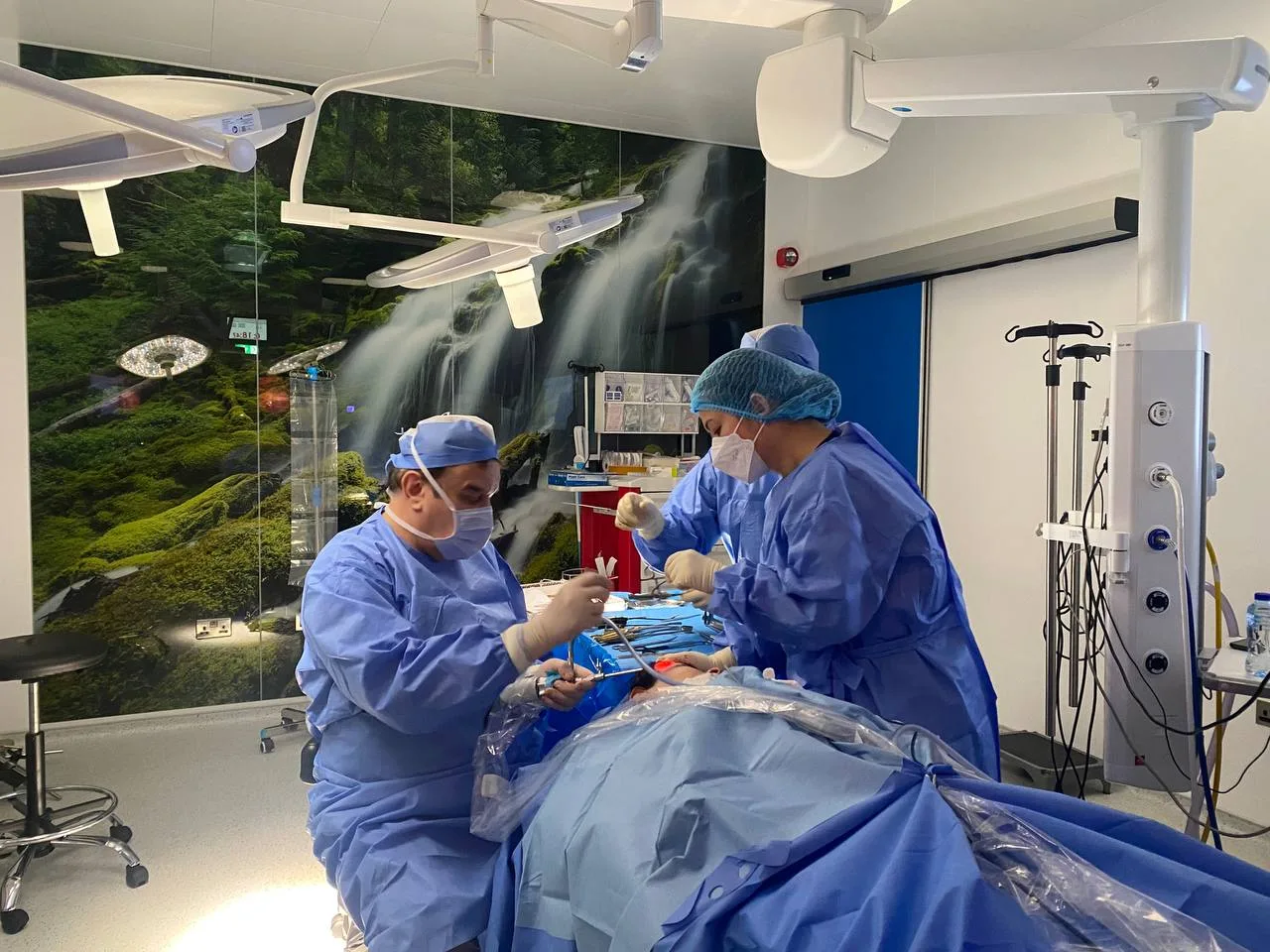
Cubital tunnel surgery is typically performed under regional or general anesthesia and usually takes less than an hour.
The general process includes:
- Making a small incision near the elbow
- Identifying the compressed ulnar nerve
- Relieving pressure on the nerve using the chosen surgical method
- Closing the incision and applying a protective bandage
Most patients can return home the same day following the procedure.
Recovery and Rehabilitation
Recovery from cubital tunnel surgery varies depending on the severity of nerve compression and the surgical method used.
Typical recovery stages include:
- Resting the arm for several days after surgery
- Gradually restoring elbow movement
- Physical therapy exercises to strengthen the arm and hand
- Monitoring nerve recovery and symptom improvement
Many patients experience gradual improvement in numbness and strength over several weeks or months.
Preventing Ulnar Nerve Compression
Although not all cases can be prevented, certain habits may help reduce the risk of cubital tunnel syndrome.
Helpful preventive steps include:
- Avoiding prolonged pressure on the elbows
- Taking breaks during repetitive arm activities
- Maintaining good posture while working or using devices
- Using ergonomic equipment when possible
- Performing stretching exercises for the arms and shoulders
Adopting these habits can help protect nerve health and reduce strain on the elbow joint.
Supporting Overall Health and Wellbeing
Maintaining a healthy lifestyle plays an important role in recovery and long-term musculoskeletal health. Regular physical activity, balanced nutrition, and proper rest can help support nerve function and joint health. For additional tips on wellness, healthy living, and improving overall wellbeing, readers can explore resources available at live and feel.
Conclusion
Cubital tunnel syndrome is a condition that can significantly affect hand function and daily activities if left untreated. When conservative treatments are not effective, cubital tunnel surgery provides a reliable solution for relieving nerve compression and restoring normal arm and hand function.
With advanced orthopedic care available at institutions like Liv Hospital, patients can receive accurate diagnosis, modern surgical treatment, and comprehensive rehabilitation support to ensure the best possible recovery.