
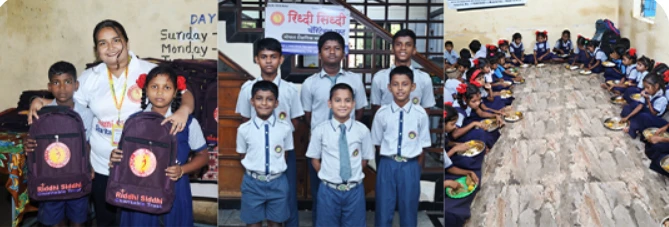
India is a country with immense diversity, culture, and resilience. Yet, millions of people still struggle with poverty, lack of education, inadequate healthcare, and limited access to basic resources. In such a landscape, charitable giving plays a vital role in supporting vulnerable communities and strengthening social welfare initiatives. When people choose to donate India, they contribute toward building a more compassionate and equitable society.
Donations are not merely financial transactions; they represent empathy, responsibility, and collective effort. Whether small or large, every contribution has the potential to bring hope to individuals and families who need support the most.
Why Donations Matter in India
India has one of the largest populations in the world, and with that comes significant socio-economic challenges. Many communities in rural and underprivileged urban areas face difficulties such as poor access to education, limited healthcare facilities, malnutrition, and unemployment.
Donations help bridge these gaps by supporting initiatives that focus on:
- Child education and school support
- Healthcare assistance for the underprivileged
- Elderly care and shelter services
- Disaster relief and rehabilitation
- Women empowerment and skill development
- Food distribution programs
Through collective contributions, individuals and organizations can create meaningful change and help improve the quality of life for many people.
The Impact of Individual Contributions
Many people believe that only large donations can make a difference, but this is far from the truth. Even a small act of giving can create a ripple effect. When thousands of individuals contribute modest amounts, it becomes possible to fund large initiatives such as building schools, providing medical aid, or distributing essential supplies.
For example, a simple contribution may help provide books for children, nutritious meals for families in need, or basic healthcare services for those who cannot afford treatment. The impact grows when communities come together with the shared intention of helping others.
Transparency and Responsible Giving
When making a charitable contribution, transparency is an important factor. Donors often prefer to understand how their money will be used and what impact it will create. Responsible organizations ensure that funds are used effectively and that donors receive updates about ongoing initiatives and outcomes.
Before donating, it is helpful to consider the following aspects:
- The mission and objectives of the organization
- The programs they support
- Financial transparency and accountability
- Community impact and long-term sustainability
These factors help donors feel confident that their contributions are making a genuine difference.
Non-Financial Ways to Contribute
While financial donations are important, there are many other meaningful ways to support social causes. Individuals can contribute their time, skills, and resources to help communities grow and thrive.
Some alternative ways to contribute include:
- Volunteering for social initiatives
- Donating clothes, books, or essential supplies
- Supporting educational programs through mentoring
- Raising awareness about important social issues
- Participating in community welfare programs
Such contributions strengthen community bonds and encourage a culture of kindness and cooperation.
The Role of Digital Platforms in Charitable Giving
In recent years, digital technology has made it easier than ever to support social causes. Online donation platforms allow people to contribute quickly and securely from anywhere. These platforms also provide information about different initiatives, helping donors choose causes that resonate with their values.
Digital campaigns, crowdfunding efforts, and social media awareness programs have significantly increased participation in charitable activities. As a result, more people are becoming involved in supporting humanitarian causes and community development projects.
Building a Culture of Compassion
A strong culture of giving helps create a society where compassion and responsibility are valued. When people actively support charitable initiatives, it encourages others to participate as well. Over time, this collective effort leads to stronger communities, improved living conditions, and greater opportunities for those in need.
Educational institutions, workplaces, and community groups can also promote the habit of giving by organizing donation drives, awareness programs, and social welfare activities. These efforts inspire people to recognize the importance of helping others.
Conclusion
Charitable giving plays a crucial role in addressing social challenges and uplifting communities across the country. Every contribution, regardless of its size, has the potential to bring positive change and hope to those who need it most.
When individuals choose to donate with empathy and responsibility, they become part of a larger movement that works toward a better future. By supporting meaningful initiatives, society can move closer to a world where every person has access to dignity, opportunity, and care.