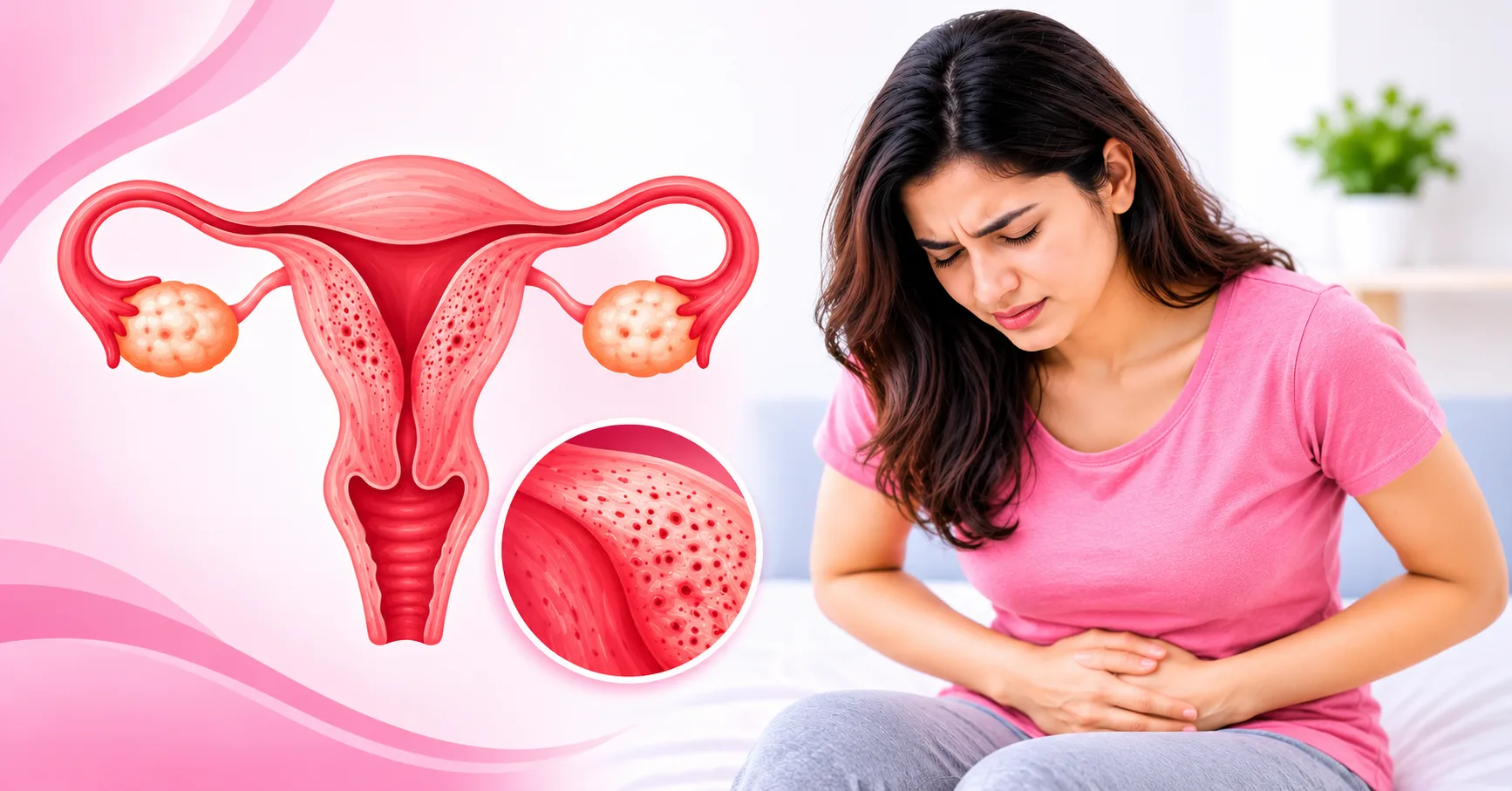
Menstrual health is an important part of a woman's overall well-being. However, recurring abdominal pain, unusually heavy periods, and persistent pelvic discomfort should never be considered normal without proper evaluation. These symptoms may sometimes indicate an underlying gynaecological condition such as adenomyosis.
Adenomyosis affects the muscular wall of the uterus and can cause discomfort that interferes with daily activities. Many women delay seeking medical attention because they assume that severe menstrual pain is a routine part of their monthly cycle. Recognising the warning signs and consulting a gynaecologist can help identify the problem and determine an appropriate treatment approach.
Women searching for adenomyosis treatment in ambikapur can benefit from understanding the condition, its possible complications, and the medical options available for symptom management.
Understanding the Impact of Adenomyosis on Women's Health
Adenomyosis develops when tissue similar to the uterine lining grows within the muscular wall of the uterus. During the menstrual cycle, hormonal changes can cause this tissue to swell and contribute to inflammation and discomfort.
Over time, the uterus may become enlarged, and menstruation can become increasingly painful or heavy. The severity of the condition varies from one woman to another. Some women experience occasional discomfort, whereas others may face significant pain and excessive menstrual blood loss.
Five Warning Signs That May Indicate Adenomyosis
Understanding unusual menstrual changes can help women recognise when they need medical attention.
1. Extremely Heavy Periods
Experiencing unusually heavy menstrual flow or needing to change sanitary products frequently may indicate an underlying uterine problem.
2. Severe Menstrual Cramps
Painful periods that interfere with work, sleep, or everyday activities should be evaluated by a gynaecologist.
3. Persistent Pelvic Discomfort
Some women experience a continuous feeling of pressure, tenderness, or pain in the lower abdomen.
4. Pain During Intimacy
Discomfort during sexual intercourse can sometimes be associated with adenomyosis and other gynaecological conditions.
5. Weakness and Fatigue
Excessive menstrual bleeding may lead to iron deficiency and anaemia, causing tiredness, dizziness, and reduced energy levels.
Not every woman experiences all these symptoms. A proper medical assessment is necessary to determine the underlying cause.
Why Does Adenomyosis Develop?
There is no single confirmed cause of adenomyosis. Researchers believe that hormonal influences and changes involving uterine tissue may contribute to its development.
Factors that may be associated with the condition include:
- Previous uterine procedures or surgeries.
- Pregnancy-related changes in the uterus.
- Hormonal influences, particularly oestrogen.
- Reproductive age and other individual health factors.
Having these risk factors does not guarantee that someone will develop adenomyosis. The condition can also occur without any obvious risk factors.
How Can Doctors Identify Adenomyosis?
A detailed medical assessment helps distinguish adenomyosis from other conditions that may produce similar symptoms.
Depending on the patient's medical history and symptoms, the doctor may recommend:
- Pelvic examination: Helps evaluate uterine size, tenderness, and other abnormalities.
- Ultrasound scanning: Provides images of the uterus and can reveal features associated with adenomyosis.
- MRI scanning: Offers more detailed imaging when the diagnosis requires further clarification.
- Blood tests: May be recommended to assess anaemia caused by heavy menstrual bleeding.
The doctor combines clinical findings and imaging results to determine the most appropriate management plan.
Modern Approaches to Managing Adenomyosis
The treatment of adenomyosis focuses on reducing pain, controlling excessive bleeding, and improving everyday comfort. The right approach depends on the patient's symptoms, age, medical history, and plans for future pregnancy.
Medication-Based Treatment
Pain-relieving and anti-inflammatory medicines may help reduce menstrual discomfort. Certain medicines can also help control excessive bleeding.
Hormonal Management
Hormonal treatments may reduce menstrual symptoms and improve bleeding patterns. Depending on individual suitability, doctors may recommend progestin-based medication or a hormonal intrauterine device.
Individualised Health and Lifestyle Support
Maintaining a healthy lifestyle can support overall reproductive health. A balanced diet, regular physical activity, adequate sleep, and appropriate management of iron deficiency can contribute to better well-being.
Surgical Treatment Options
Surgery may be considered when symptoms are severe and other treatments have not provided sufficient relief. Hysterectomy is the definitive treatment for adenomyosis, but it permanently removes the ability to carry a pregnancy. Therefore, it is considered only after careful discussion of the patient's health needs and reproductive goals.
When Should You Consult a Gynaecologist?
Women should not ignore menstrual symptoms that repeatedly affect their quality of life. Medical consultation is particularly important in cases of:
- Periods lasting longer than usual.
- Severe abdominal or pelvic pain.
- Excessive menstrual blood loss.
- Repeated dizziness or unexplained fatigue.
- Menstrual discomfort that affects normal activities.
Early evaluation can help identify the cause of these symptoms and prevent complications associated with untreated heavy bleeding, such as anaemia.
Women's Gynaecological Care at Arihant Hospital & Research Center Ambikapur
Choosing the right healthcare facility is an important part of managing reproductive health concerns. Women experiencing painful menstruation, irregular bleeding, or persistent pelvic discomfort should seek professional medical guidance.
At Arihant Hospital & Research Center Ambikapur, women can consult healthcare professionals to discuss their gynaecological concerns, undergo appropriate evaluation, and explore suitable treatment options.
If you are looking for adenomyosis care and treatment in Ambikapur, consider seeking a medical consultation to understand your symptoms and available treatment approaches.
Hospital Details:
Hospital Name: Arihant Hospital & Research Center Ambikapur
Address: Outer Ring Road, Near Mission Chowk, Ambikapur, Chhattisgarh – 497001
Phone: 092432 78652
Take the First Step Towards Better Menstrual Health
Adenomyosis can affect a woman's comfort, routine, and overall quality of life. However, appropriate medical evaluation and personalised treatment can help manage many of its symptoms.
Do not overlook persistent menstrual pain or unusually heavy bleeding. Consulting a qualified gynaecologist can help you understand your condition, explore suitable treatment options, and make informed decisions about your reproductive health.
Your health deserves attention, care, and timely medical support.