
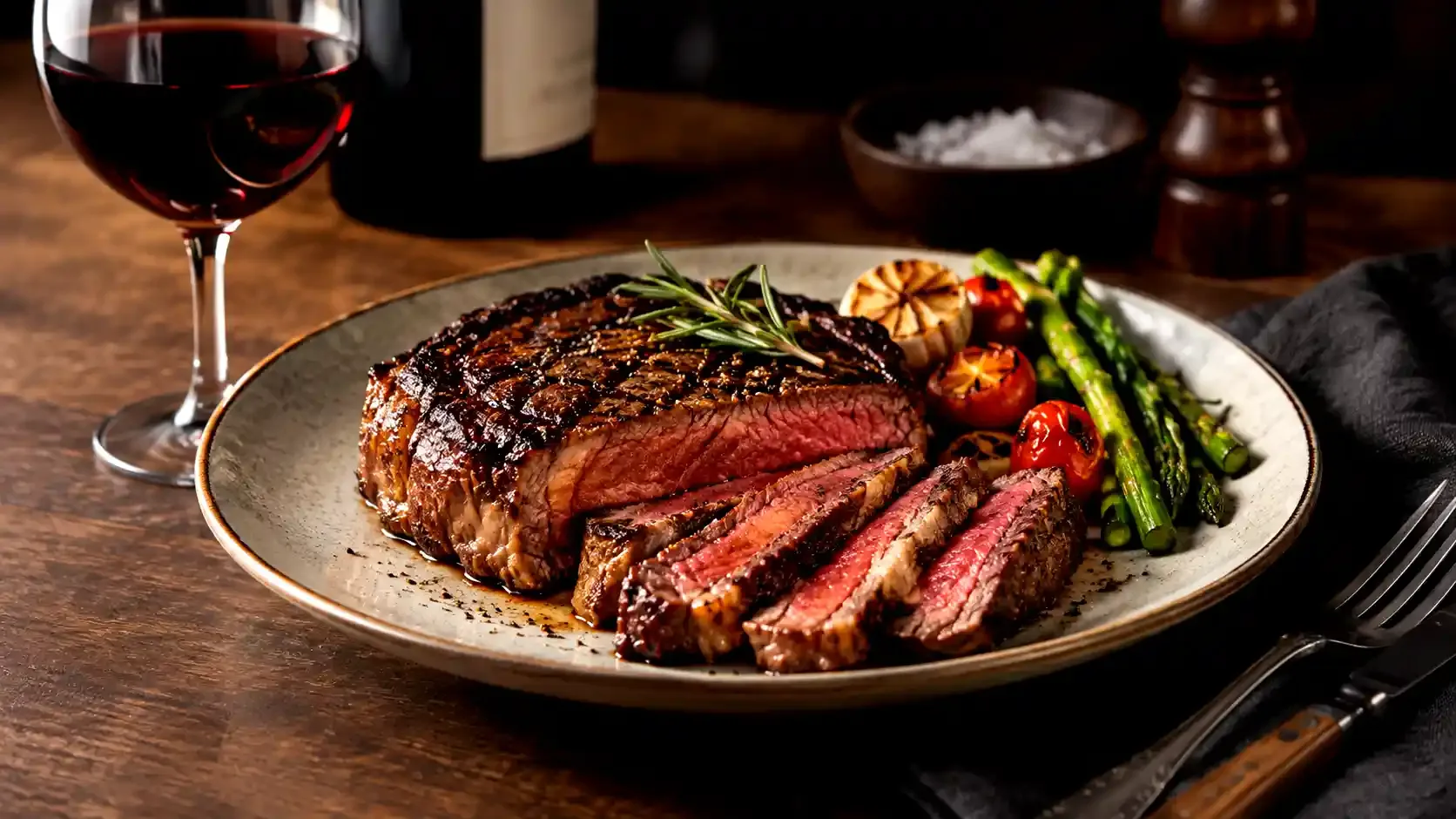
Steak often gets lumped into the "avoid at all costs" category whenever cholesterol comes up in conversation. It's an understandable assumption, but it doesn't tell the whole story. The truth is more specific: steak does contain cholesterol, and the amount varies quite a lot depending on which cut you're eating, how it's been raised, and how you cook it.
A typical 3-ounce (85g) serving of steak contains somewhere between 60 and 90mg of cholesterol. For context, the average person eating a mixed diet consumes around 300mg of cholesterol a day from all sources combined, so steak isn't automatically the villain it's often made out to be. What matters more is understanding the differences between cuts and knowing how your choices at the butcher counter and in the kitchen actually affect what ends up on your plate.
How Much Cholesterol Is in Steak? (By Cut)
Cholesterol content in beef doesn't vary as dramatically as fat content does, but there are still meaningful differences worth knowing.
Ribeye sits on the higher end. A 3-ounce serving of broiled select-grade ribeye contains around 65mg of cholesterol, while the same portion of choice-grade ribeye (with more marbling) comes in slightly higher at roughly 68mg.
Sirloin is a middle-of-the-road option, both in cholesterol and saturated fat, making it a popular choice for people trying to enjoy steak without going overboard.
Filet mignon has a reputation as the "healthy" steak because it's lean, and while it's true it carries less saturated fat than a well-marbled cut, its cholesterol content is closer to ribeye than most people expect. Cholesterol lives in the muscle tissue itself, not just the fat, so a lean cut isn't automatically low in cholesterol.
Flank steak, taken from the animal's abdominal muscles, tends to sit on the lower end for both fat and cholesterol, which is one reason it's a favourite for people managing their intake without giving up steak entirely.
Here's a rough comparison for a standard 3-ounce cooked portion:
CutApprox. Cholesterol (mg)Ribeye (choice)68mgRibeye (select)65mgSirloin60- 65 mgFilet mignon60-70mgFlank steak55- 60 mgTop round/eye round55- 60 mgThese figures shift slightly depending on the source and how the beef was raised, but they give a workable picture of where each cut lands.
Does the Cut of Steak Affect Cholesterol Levels?
The cut you choose matters, but not in the way most people assume. Marbling, the white flecks of fat running through a steak, has a bigger impact on saturated fat than on pure cholesterol content. A heavily marbled porterhouse or ribeye will bring considerably more saturated fat to the table than a lean sirloin or flank steak, and saturated fat is the part of the equation that has the strongest link to raised LDL cholesterol in the blood.
There's also a difference between grass-fed and grain-fed beef. Grass-fed cattle tend to produce meat with less saturated fat and somewhat lower cholesterol, with some studies pointing to around 20 to 25% less saturated fat than grain-fed equivalents. The flavour profile is different too, often described as leaner and slightly more mineral in taste, which is worth knowing if you're switching over for health reasons and want to adjust your cooking approach accordingly.
Does Cooking Method Change Steak's Cholesterol?
Cooking method has more influence over fat content than cholesterol, but the two are connected closely enough to matter.
Grilling and broiling allow rendered fat to drip away from the meat as it cooks, which reduces the overall fat picked back up by the steak. Pan-searing in a hot, dry pan does something similar, though a little more of the rendered fat stays in contact with the meat unless you're draining it as you go.
Braising is a different story. Because the steak cooks slowly in liquid, the fat that would otherwise drain away in grilling stays in the pot and can be reabsorbed into the meat and sauce. It's a lovely method for tougher cuts that need long, slow cooking, but it isn't the one to reach for if you're specifically watching fat intake.
Trimming visible fat before cooking helps reduce saturated fat, though it won't meaningfully change the cholesterol figure, since that's held within the lean muscle rather than the fat cap.
Is Steak Bad for High Cholesterol Patients?
This is where most people's real question lies, and the honest answer is: it depends on how much, how often, and what else is on your plate.
If you've been told by a doctor that your LDL is running high, red meat is usually one of the first things flagged for moderation, not elimination. Regular consumption of red meat, particularly the fattier cuts, has been linked in various studies to raised LDL cholesterol and greater cardiovascular risk over time. That doesn't mean steak needs to disappear from your life. It means portion size and frequency start to matter more than they might for someone without cholesterol concerns.
A sensible approach for most people managing high cholesterol is to treat steak as an occasional meal, perhaps once or twice a week, choosing leaner cuts and keeping portions closer to 4 ounces than 12. Pairing it with vegetables and fibre-rich sides, and going easy on butter-based sauces, makes a noticeable difference over the course of a month without asking you to give up something you enjoy.
Anyone with existing heart disease, diabetes, or particularly stubborn LDL numbers should talk to their doctor or a dietitian about how red meat fits into their specific situation, since individual risk factors vary a great deal.
Dietary Cholesterol vs Saturated Fat: What Actually Raises Your Cholesterol?
Here's something that trips a lot of people up. For decades, dietary cholesterol (the cholesterol you actually eat) was treated as the main driver of blood cholesterol levels. Recent research has shifted that view. For most people, saturated fat has a stronger effect on LDL cholesterol than dietary cholesterol does. The liver produces most of the cholesterol found in your bloodstream regardless of how much you eat, and saturated fat appears to interfere more directly with how the body clears LDL from the blood.
This is why a lean, well-trimmed sirloin, despite still containing a reasonable amount of cholesterol, is generally a smarter choice than a heavily marbled porterhouse or ribeye will bring considerably more saturated fat to the table than a lean sirloin or flank steak. If you're comparing these two popular cuts, understanding the differences between ribeye and sirloin can also help when choosing a steak.
Best Low-Cholesterol Steak Cuts to Choose
If you're after the leanest options without sacrificing flavour entirely, a few cuts stand out consistently:
- Eye round and top round, both very lean with modest saturated fat
- Sirloin tip, a good balance of leanness and flavour
- Flank steak, excellent for marinating given its leaner texture
- Filet mignon, tender and lower in saturated fat, even if cholesterol sits a touch higher than expected
These cuts respond well to quick, high-heat cooking or a good marinade, since they have less fat to keep them moist during longer cooking times.
Steak Nutrition Beyond Cholesterol
It's worth stepping back from cholesterol for a moment, because steak brings real nutritional value to the table too. It's an excellent source of complete protein, iron (particularly the easily absorbed haem form), vitamin B12, and zinc. For people managing anaemia or looking to support muscle maintenance, steak remains one of the more efficient dietary sources of these nutrients. None of this cancels out the cholesterol conversation, but it's a reminder that the picture is genuinely more balanced than a single number suggests.
How to Enjoy Steak Without Hurting Your Heart
A few practical habits go a long way:
- Stick to portions around 4 ounces rather than the 10 to 12-ounce servings common in restaurants
- Choose leaner cuts more often than heavily marbled ones
- Grill or pan-sear over braising when fat content is a concern
- Trim visible fat before cooking
- Build the rest of the plate around vegetables, whole grains, and fibre, which help offset saturated fat intake over the day.
None of these require giving up steak entirely. They just shift the balance slightly in favour of your heart without taking the enjoyment out of the meal.
Final Thoughts
Steak does contain cholesterol, but painting it as universally bad misses the nuance that actually matters: cut, cooking method, and portion size. Choose leaner cuts, grill or sear rather than braise when fat is a concern, and keep portions reasonable, and steak can stay part of a heart-conscious diet without becoming the enemy it's often made out to be.