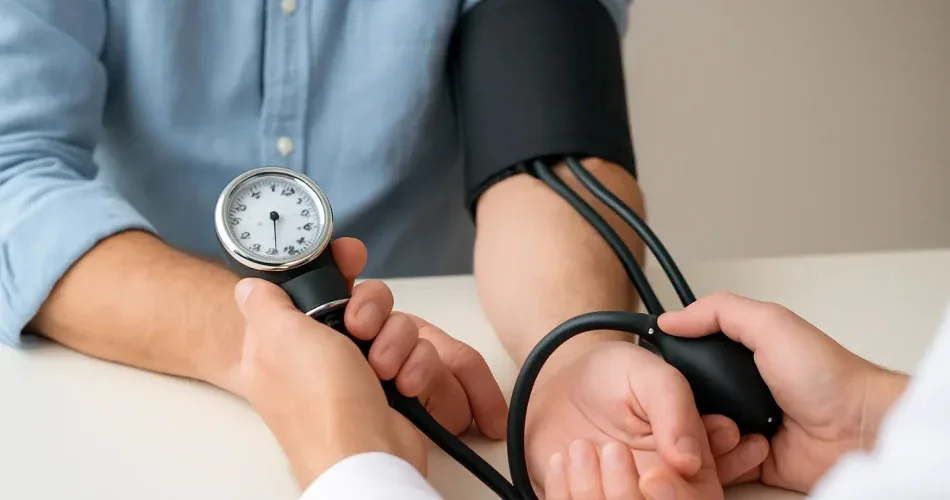
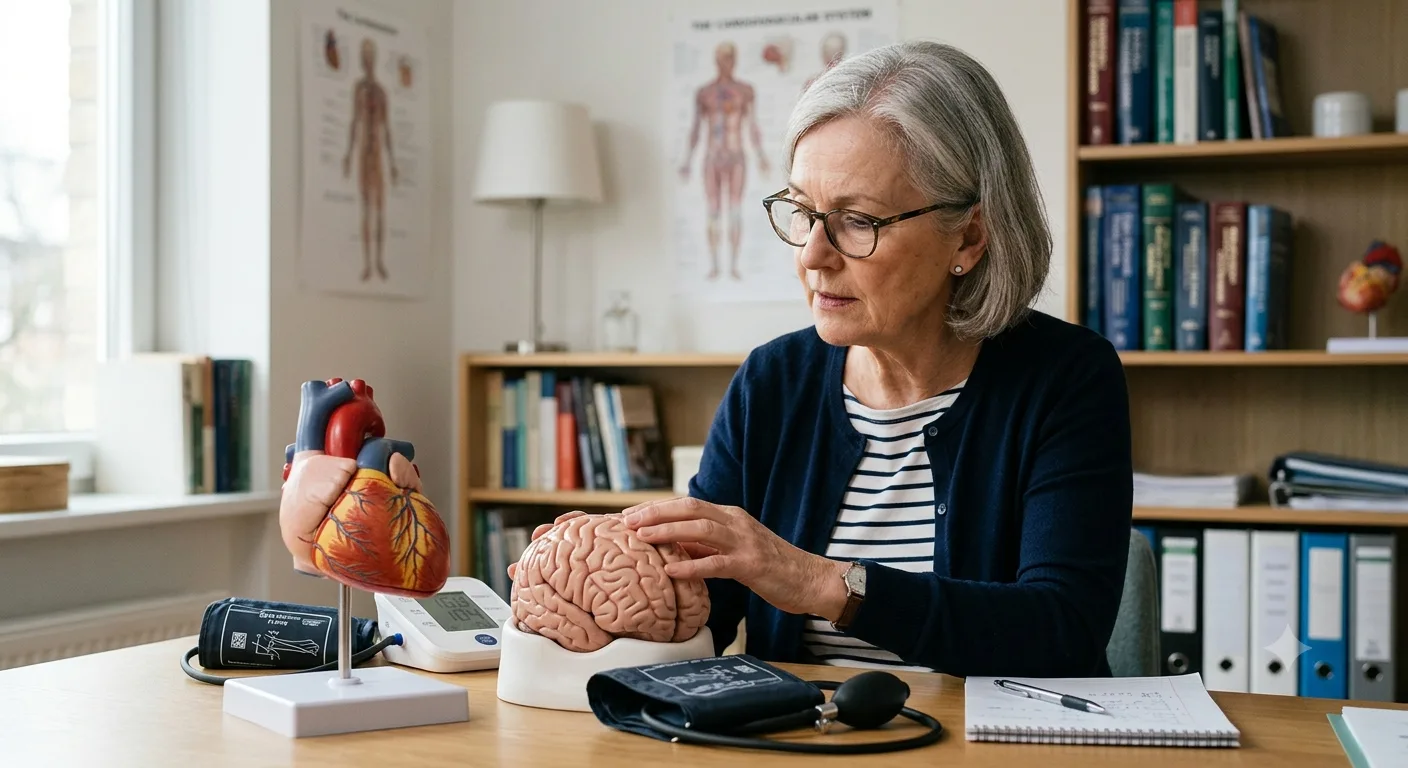
Plenty of people in Gwalior are living with high blood pressure and don’t know it. There’s no headache or pain, and nothing feels off. They find out when a chemist’s machine shows 170 or a doctor checks it during a visit for something else. So, when people ask whether high BP harms the heart and the brain both, the answer is yes. The harm builds slowly, over years, which is why it gets missed.
What it does to the heart
Every heartbeat pushes blood against the resistance in your arteries. When that resistance stays high, the heart compensates by building more muscle. That sounds healthy until you learn the extra muscle is stiff and needs more oxygen than the coronary arteries may be able to supply. Eventually it can mean an enlarged heart, rhythm trouble or heart failure. Pressure also roughens the inner wall of the arteries, which gives cholesterol a place to settle, and that’s the usual road to a heart attack.
Someone who visits a heart specialist in Gwalior for the first time after ten years of ignoring a “slightly high” reading will often hear exactly this story.
What it does to the brain
The vessels in the brain are far finer than the ones near the heart, so they have less room for error. Constant pressure can narrow them, stiffen them or, at worst, make one burst. A blocked vessel causes an ischaemic stroke and a burst one causes a haemorrhagic stroke. Both are much more common when hypertension goes uncontrolled.
The quieter damage is easier to overlook. Tiny vessels deep in the brain get injured bit by bit, and years later a person starts forgetting names, walking more slowly or losing the thread of a conversation. Families usually blame age. A neurology specialist in Gwalior may see changes on an MRI that point straight back to blood pressure.
Why the two are connected
The heart and brain share one network of blood vessels, so trouble in one often travels to the other. Take atrial fibrillation, an irregular heartbeat that hypertension can set off. Blood doesn’t empty properly from the upper chambers, a clot forms, and if it’s carried up to the brain, the result is a stroke. It starts in the chest and ends in the head. This is why cardiologists and neurologists work together more often than most patients realise.
Symptoms you shouldn’t wait out
A sudden, severe headache, a drooping face, an arm that won’t lift, slurred speech, pressure in the chest or breathlessness that wasn’t there yesterday all need attention that day. With stroke especially, minutes count. Please don’t lie down and wait to see whether it passes.
Keeping both organs safe
None of this is inevitable. Most of it comes down to boring, repeatable habits.
Buy a home BP monitor. It costs less than one consultation, and a week of morning and evening readings tells your doctor far more than a single clinic reading, where nerves tend to push the numbers up. Cut down on salt, which hides in pickles, namkeen, papad and packaged food more than most people admit. Walk for half an hour most days. Sleep properly, since poor sleep and constant stress both keep pressure elevated. If you smoke, this is a good reason to stop.
If you’ve been prescribed tablets, keep taking them even when your readings look fine. Normal numbers usually mean the medicine is working. They don’t mean the problem has gone.
When it’s time to see a specialist
Book a visit if your readings stay high despite changes at home, if heart disease or stroke runs in your family, or if you’re over 40 and have never had a proper check-up. A heart specialist in Gwalior can look at how much strain your heart is under and adjust treatment. If you’ve had unexplained dizziness, memory slips or any brief stroke-like episode, a neurology specialist in Gwalior can examine what’s happening in the brain. For many people with long-standing hypertension, seeing both is the most complete way to protect their health.
High blood pressure rarely makes noise, but it does keep doing damage. Get your numbers checked this week and don’t leave it for later.