Stress is a common part of modern life. Long working hours, busy travel, money worries, and family duties can make the body feel tight, and the mind feel tired. Many people search for simple and natural ways to relax, recharge, and feel more balanced in their daily routine.
Many people are now turning to Cupping therapy in Farringdon as a gentle and holistic option for stress relief. This traditional treatment aims to relax tense muscles, improve circulation, and support overall well-being. In this guide, we explain how stress affects the body, how this therapy works, and whether it can truly help calm the mind and ease muscle tension.
What Is Stress?
Stress is the body’s response to pressure. It can be short-term or long-term, and many people explore treatments such as Cupping therapy to help manage its physical and emotional effects.
Common Causes of Stress
- Work deadlines
- Long commutes
- Family responsibilities
- Financial pressure
- Lack of sleep
When stress lasts too long, it can affect both physical and mental health.
Signs of Stress
- Headaches
- Tight shoulders and neck
- Poor sleep
- Fast heartbeat
- Low energy
- Irritability
If stress is not managed, it may lead to muscle pain, anxiety, digestive issues, and high blood pressure.
What Is Cupping Therapy?
Cupping therapy is a traditional treatment used in Traditional Chinese Medicine (TCM). It involves placing special cups on the skin to create gentle suction.
This suction helps to:
- Improve blood circulation
- Release muscle tension
- Support lymphatic drainage
- Reduce inflammation
- Promote natural healing
Cupping therapy has been used for many centuries in Asia and the Middle East. Today, it is widely used in the UK for pain relief, muscle recovery, and relaxation.
How Does Cupping Therapy Work?
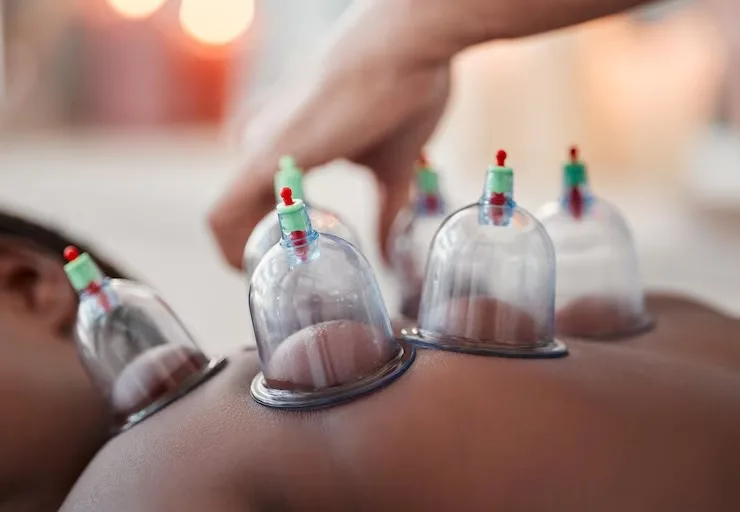
During a session, the therapist places cups on the back, shoulders, or other areas of tension. The suction gently lifts the skin and soft tissue.
This process may:
- Increase blood flow to tight muscles
- Encourage oxygen delivery
- Help remove toxins
- Relax the nervous system
The marks left by the cups are not bruises. They are a normal response to increased circulation and usually fade within a few days.
The Link Between Stress and Muscle Tension
When you feel stressed, your body tightens. The shoulders rise. The jaw clenches. The back becomes stiff.
This muscle tension can:
- Reduce blood flow
- Cause pain
- Trigger headaches
- Limit movement
By easing tight muscles, cupping therapy may help the body move from a state of tension to relaxation.
Can Cupping Therapy Reduce Stress?
Many people report feeling deeply relaxed after treatment. There are several reasons why cupping therapy may help manage stress.
1. Calms the Nervous System
Gentle suction and focused care may help slow the heart rate and calm the mind.
2. Relieves Muscle Tightness
Stress often builds up in the neck, shoulders, and upper back. Releasing this tension helps the body feel lighter.
3. Improves Blood Circulation
Better circulation supports oxygen flow to tissues and the brain. This may improve clarity and reduce fatigue.
4. Encourages Better Sleep
When the body is relaxed, sleep often improves. Good sleep supports emotional balance.
A regular cupping therapy session can become part of a healthy stress management routine.
What Happens During a Cupping Session?
If you are new to this treatment, here is what to expect.
Before the Session
- The therapist asks about your health history.
- You discuss areas of tension or discomfort.
During the Session
- Cups are placed on specific points.
- Suction is created using heat or a pump.
- Cups remain in place for several minutes.
You may feel a gentle pulling sensation. It should not feel painful.
After the Session
- Circular marks may appear.
- You may feel calm or sleepy.
- Drinking water is advised.
Most people feel relaxed and refreshed.
Scientific and Traditional Perspectives
In Traditional Chinese Medicine, stress is linked to blocked energy, known as Qi. Cupping therapy is believed to improve the flow of Qi and blood.
From a modern view, improved circulation and muscle relaxation may explain the calming effects. While more research is ongoing, many clients report positive outcomes.
Who Can Benefit Most?
Cupping therapy may help:
Office Workers
Long hours at a desk often cause neck and shoulder tension.
Busy Professionals
Fast-paced city life can increase stress levels.
Athletes
Training stress and muscle fatigue may benefit from improved circulation.
People with Anxiety
Physical relaxation often supports emotional calm.
How Often Should You Have Treatment?
The right frequency depends on your needs.
- For mild stress: once a month
- For ongoing tension: every two to three weeks
- For high-stress periods: weekly sessions may help
Consistency often gives better long-term results.
Combining Cupping Therapy with Other Treatments
For better stress management, cupping can be combined with:
- Massage therapy
- Acupuncture
- Herbal medicine
- Gentle stretching
- Breathing exercises
A holistic approach supports both body and mind.
Is Cupping Therapy Safe?
Cupping therapy is generally safe when performed by a trained professional.
It may not be suitable for:
- People with bleeding disorders
- Those with severe skin conditions
- Individuals with certain medical concerns
Always consult a qualified therapist before treatment.
Building a Stress-Free Routine
Managing stress requires regular care.
Simple habits include:
- Daily walks
- Proper hydration
- Balanced diet
- Relaxation exercises
- Time away from screens
Adding cupping therapy to your routine may enhance these efforts.
Final Thoughts
Stress can affect every part of life, from sleep to mood and physical comfort. Natural therapies that improve circulation and relax muscles can play a helpful role in stress relief.
If you are considering Cupping therapy in Farringdon, choosing a professional clinic ensures safe and effective treatment. A&M Health Clinic provides expert care in a calm and welcoming setting, helping clients restore balance and improve wellbeing through traditional and modern holistic therapies.