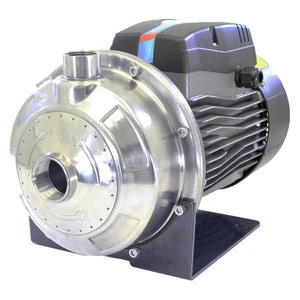
When choosing a water pump, the decision doesn’t stop at selecting the model. Installation plays a crucial role in system efficiency and longevity. Should you do it yourself or hire a professional? Whether you're considering a water pressure booster pump for home or setting up an industrial high-pressure water pump, the right approach can save you time, money, and future headaches. Especially if you're also investing in Sportsman generators to power your setup, making smart choices now pays off later.
Why Homeowners Choose DIY Installation
DIY installation is increasingly popular—especially with easy-to-follow guides and helpful video content just a click away. For homeowners or small-scale operators, installing residential water pump booster pumps without professional help can offer some significant upsides.
Pros:
· Cost Efficiency
Avoiding installation labor can reduce the total setup cost. That savings can go toward other investments—like upgrading to a best reliable quality water pump or purchasing a Sportsman home generator for emergency use.
· Full Control Over the Process
DIY allows you to move at your own pace, making it easier to schedule and avoid delays. Plus, it's a great way to build familiarity with the system.
· Satisfaction of Learning Something New
For many DIYers, the process itself is rewarding. Understanding how your water pressure booster system works can make future maintenance easier.
Cons:
· Room for Costly Errors
A wrong pipe fitting or misaligned seal can lead to leaks or system failure. Mistakes made during the install might also void warranties.
· Safety and Compliance Risks
Water pump systems often involve electrical components. Without proper grounding or insulation, you could risk electrical hazards—especially with submersible pumps for flood control where water is present.
· Limited Tools and Experience
Professional-grade installations may require tools not typically found in home garages.
Why Professionals Get the Job Done Right
Professional installers know the ins and outs of pump systems and are trained to handle high-capacity units like heavy duty industrial water pumps. When peace of mind is essential, it might be worth the additional cost.
Pros:
· Warranty Coverage and Compliance
Many manufacturers require licensed installation to honor warranties. Hiring a pro helps protect your investment in a reliable pump.
· Technical Knowledge and Speed
From selecting the right fittings to tuning system pressure, professionals save time and prevent trial-and-error delays.
· Proper Code Compliance
Plumbing and electrical codes can vary widely. A certified installer ensures your setup is compliant—especially important in commercial applications using high-pressure pumps for commercial use.
Cons:
· Higher Upfront Costs
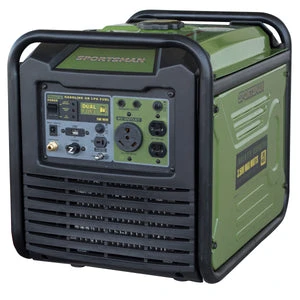
Installation fees can be significant depending on pump complexity or if additional components like a Sportsman inverter generator are involved.
· Scheduling Constraints
You may have to wait days—or even weeks—depending on technician availability.
Planning a Successful DIY Install
If you’re confident in your abilities and the system isn't overly complex, a DIY approach might be right for you. Here's how to get it done correctly.
1. Study the Manual
Understand system voltage, installation diagrams, pressure rating, and flow direction. Don’t assume universal fit—some submersible pump for sewage water models have specific requirements.
2. Safety First
Turn off breakers. Use insulated gloves. And test wires before touching. When water and electricity mix, there's no margin for error.
3. Prep the Right Tools
Sealant tape, voltage testers, pipe wrenches—these tools matter. Don’t substitute makeshift solutions when installing water pressure booster pumps for residential systems.
4. Know Your Water Source
Municipal vs. well water affects pump selection. So does flow rate and water pressure at source. Oversizing or undersizing your pump leads to inefficiencies.
5. Position for Maintenance
Future filter changes, wiring inspections, or part swaps are easier when pumps are accessible. Don’t install in cramped, unreachable corners.
6. Do a Live Test
Check for leaks. Monitor PSI. Run full cycles. Make sure everything is stable before finalizing.
When to Throw in the Towel
Not every project goes to plan—and that’s okay. If the system won’t prime, pressure fluctuates wildly, or the motor overheats—pause. Damage from forcing the system can become costly. Instead, call a professional who can assess and correct without scrapping the entire install.
Both DIY and professional setups have their place. If you're confident, installing best water pressure booster pumps or even integrating with a generator system can be a fulfilling project. But if your setup involves larger capacity pumps or electrical complexities, hiring help may save you from future trouble. Either way, investing in best reliable quality water pumps ensures you’re starting off right.
Why Choose Power Plus Retailers Powered by Wilchestrade LLC
Power Plus Retailers, powered by Wilchestrade LLC, is a trusted destination for both DIYers and professionals seeking high-quality pump systems. From stainless steel water pumps to powerful Sportsman series outdoor generators, they offer durable, efficient solutions that fit residential, commercial, and industrial needs. Ready to buy booster water pumps or explore dependable generator systems?
Learn more about Power Plus Retailers, explore their full catalog, or get in touch for expert guidance today.