Burst pipes do not wait for a convenient moment. They happen in the middle of dinner prep, during school runs, or in the quiet hours of the night when you least expect trouble. When water starts pouring into floors and walls, panic sets in fast. The good news is that homeowners can take smart first-aid steps that reduce damage and protect the home before professional help reaches the door. Responding quickly makes all the difference, and with simple actions, you can limit the mess and protect your space until plumbers step in with long-term repairs.
Burst pipes are stressful, though they do not have to turn into a major disaster every time. Staying calm, acting fast, and knowing a few key fixes keeps water damage under control. Below is a step-by-step guide that helps you confidently respond when things go wrong.
Quick Moves That Slow the Water Chaos
When water sprays or leaks from a pipe, the very first step should always be to stop the flow. Every home has a main shut-off valve, and switching it off instantly cuts water to the whole house. If you have never used it before, this is the moment to find it. Valves are often located near the water meter, outside along the boundary, or inside the house, close to the front entry.
Once water stops flowing, pressure inside the pipes drops. That slows leakage and gives you breathing room to handle cleanup. After shutting off the main supply, open cold taps to drain leftover water trapped inside pipes. Showers and sinks help release remaining pressure so the damaged section settles and stops spraying. Warm taps should stay closed until the hot water unit cools down.
During this time, unplug any appliances in the affected area to avoid electrical danger. Water on floors and furniture can quickly cause damage, so grab towels or buckets to contain puddles. Every minute matters after a burst, so moving fast is key.
Temporary Fixes That Hold Everything Together
Once the water is under control, the next goal is sealing the break long enough to wait for an emergency plumber Perth to arrive. Quick bandage-style solutions can stop leaks from spreading. None of these are permanent repairs, though they help you stay safe and reduce damage around walls and flooring.
Minor cracks or pinhole leaks respond well to plumber’s tape. Wrap the tape tightly around the damaged section, stretching as you go for a secure seal. If the pipe has a wider split, rubber patches or even a piece of an old garden hose can act as a temporary wrap. Use hose clamps or strong zip ties to apply pressure and stop water loss. These DIY tricks buy time so you can figure out the next move without panic.
If the damaged pipe section is accessible, place a bucket directly beneath it to catch any slow drips that continue. Stops like these reduce moisture from spreading into insulation or flooring. Pairing clamps and buckets keeps things under control until you can reach out to an emergency plumber near me or call for 24hour plumbers near me who can take over.
Keeping Yourself and Your Home Safe During Cleanup
Standing water spreads quickly through timber flooring, drywall, and carpet. It becomes a bigger problem when left sitting for a long time. After sealing the burst point, start drying the area. Use towels to soak up puddles and place fans nearby to move air. Airflow slows moisture absorption and reduces the chance of mold forming later.
Move rugs, electronics, and small furniture away from wet spots. These items absorb water fast, leaving stains and damage that can be costly. If water has traveled into light fittings or electrical areas, stay away and turn off power from the mains if safe to do so. Wet wiring can be a risk, so leave anything electrical to a licensed professional.
If the pipe bursts inside a ceiling, listen carefully for dripping that might continue behind the plaster. Ceiling bulges signal collected water above and can collapse if ignored. Place a bucket beneath the bulge, then gently poke a small hole using a screwdriver so trapped water can drain safely rather than ripping through the surface.
Figuring Out Why the Pipe Burst in the First Place
Burst pipes do not appear out of nowhere. Many problems slowly build over time, and knowing the cause helps prevent history from repeating itself. Cold weather causes water to freeze and expand inside pipes, creating internal pressure. Older properties often experience bursts due to worn-out pipes made from outdated materials. Corrosion changes pipe strength silently over many years.
Hard water minerals also create blockages that narrow the pipe area available for water travel. When pressure builds behind those blockages, weak spots give out. Damage from shifting soil or foundation settling can also twist pipes or stress joints. Even small leaks ignored for months eventually lead to larger failures when the structure of the pipe weakens. If this is not the first time you have experienced plumbing trouble, the system may need a professional assessment. Repeated surprises suggest larger issues ,such as pressure irregularities or failing pipe networks.
Tools and Materials Worth Keeping Handy for Future Emergencies
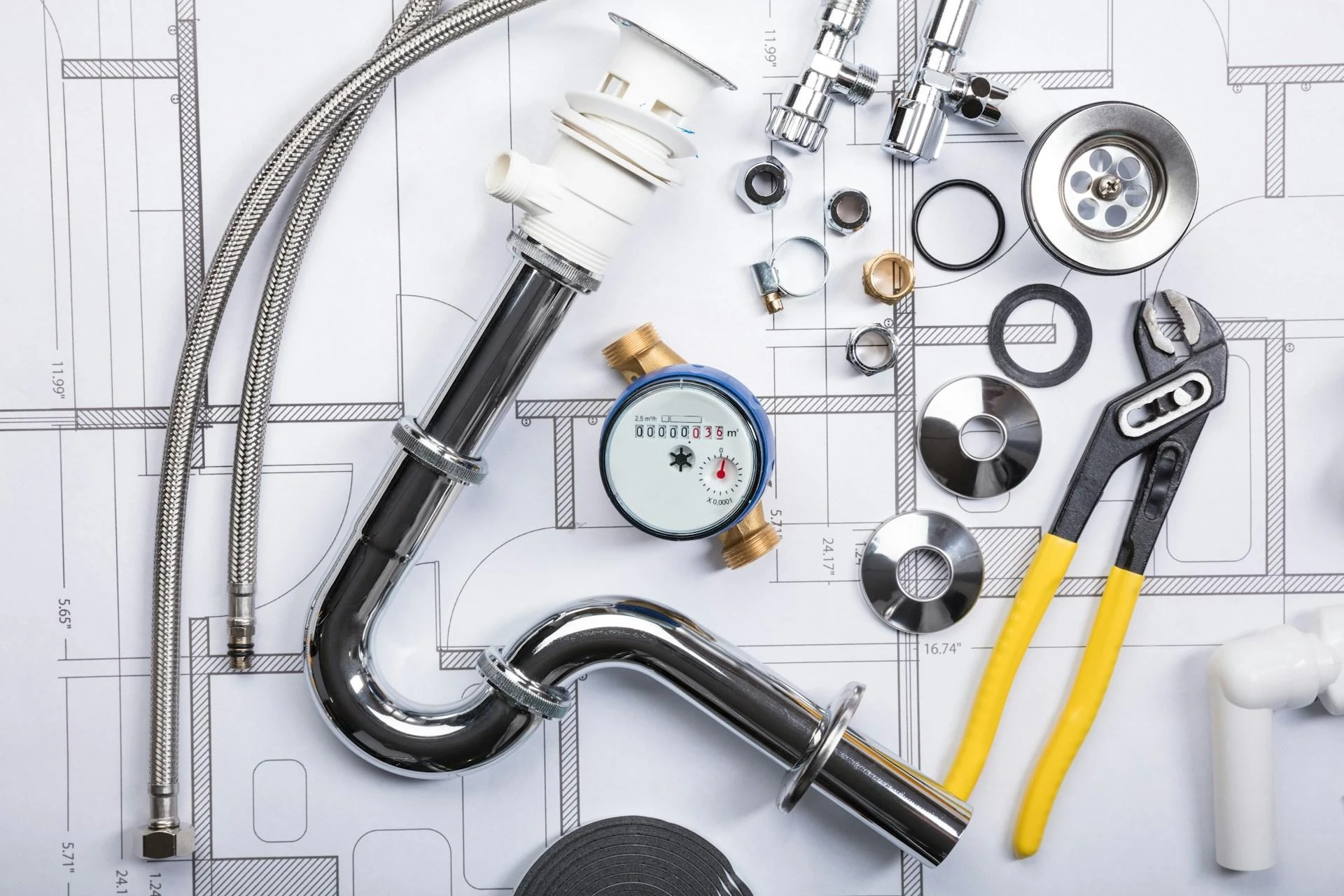
Having a simple emergency kit saves time during stressful moments. These items are inexpensive and give you a fast response when something breaks:
- Plumber’s tape or Teflon tape
- Rubber patching sheet or old garden hose pieces
- Adjustable hose clamps
- Flashlight and spare batteries
- Thick towels and buckets
- Work gloves
Where possible, store these items in a place everyone in the household can reach. A well-prepared family avoids confusion and moves quickly when needed. Extra supplies like a wet-and-dry vacuum make cleanup easier if water spreads through large rooms. Plastic sheeting also protects furniture and floors during repair work.
When it is Time to Hand the Job Over to the Pros
DIY fixes are great for immediate control, though long-term solutions require skilled hands. Plumbing systems work under pressure, and incorrect handling risks future bursts or hidden leaks that slowly damage structures. Once the emergency is contained, arrange a full repair or replacement from qualified experts who can check the entire system.
Professionals also inspect for internal weaknesses and fix structural pipe issues that temporary bandages cannot handle. If you are dealing with older plumbing or repeated bursts, consider upgrading unsafe sections. It is more affordable in the long run than repairing water damage again and again. Calling a plumber as early as possible prevents further stress. Early professional action stops problems before they grow and puts your home back into a safe and dry condition.
Final Takeaway for Homeowners
Burst pipes strike fast, though a smart response keeps damage small. Shutting off water, sealing breaks temporarily, and cleaning quickly protects property until experienced plumbers step in. Taking control in those first critical minutes can turn a disaster into a manageable situation. A calm mind, basic tools, and a sense of what to do first give you a strong starting point even in a stressful moment.
Homes feel safer when everyone knows the plan. Keep a mini emergency kit ready, learn where the main shut-off valve is, and practice the steps so they come naturally when water is pouring across floors. Quick decisions reduce long-term repair costs and help keep your space safe until help arrives.