
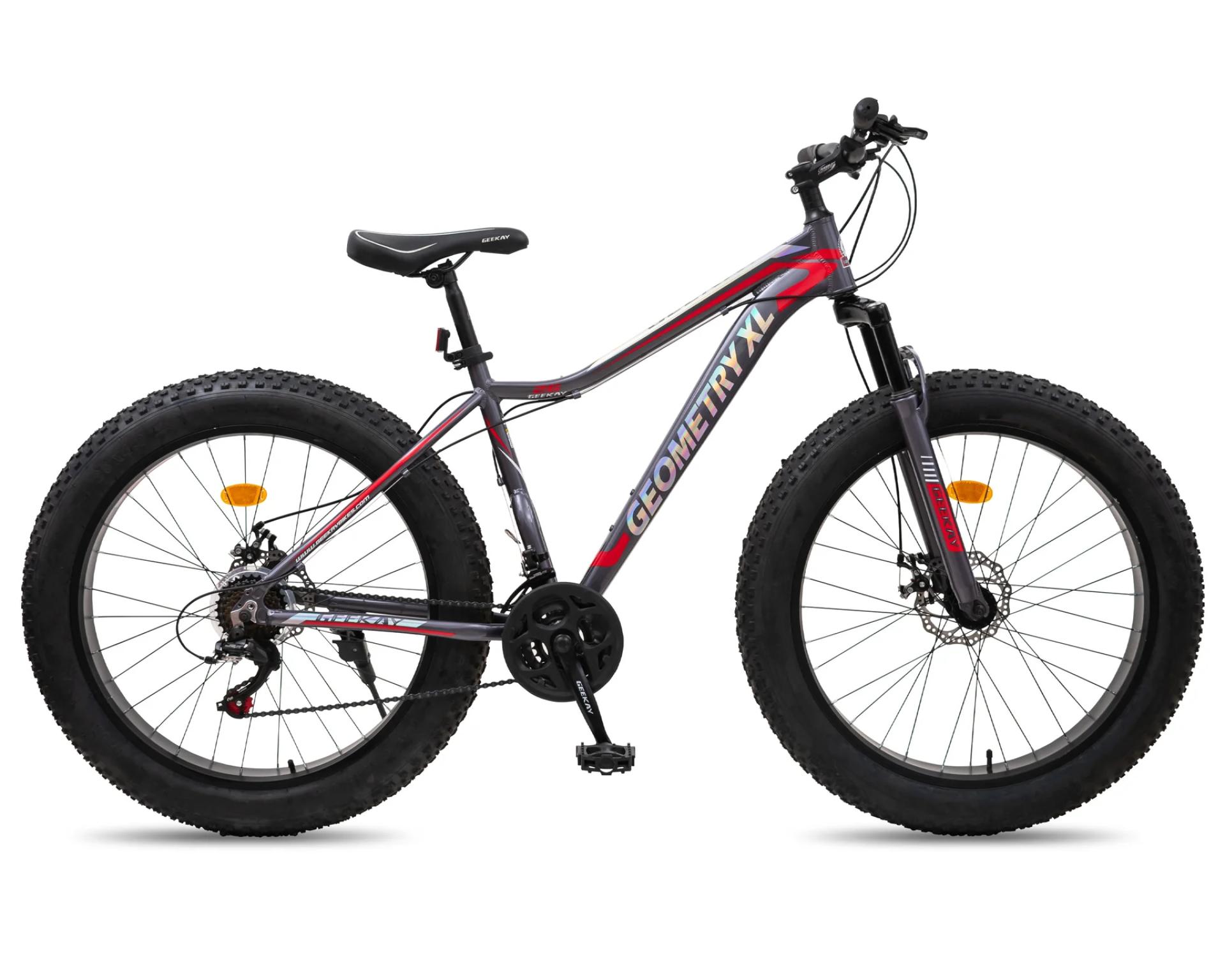
Fat tyre bicycles have gained popularity for their ability to tackle diverse terrains, from sandy beaches to snowy trails. Their oversized tires provide enhanced stability and traction, making them ideal for off-road adventures. However, like any specialized equipment, fat tyre cycles come with their own set of disadvantages. In this blog, we'll explore the potential drawbacks of fat tyre bicycles to help you make an informed decision.
1. Increased Weight
One of the most significant disadvantages of fat tyre bicycles is their weight. The wide tires and reinforced frames contribute to a heavier overall build. This added weight can make the bike more challenging to handle, especially during acceleration or on steep inclines. Riders may find it more difficult to maneuver the bike in tight spaces or carry it over obstacles.
2. Reduced Speed and Efficiency
Fat tyres create more rolling resistance due to their larger surface area in contact with the ground. This increased friction can lead to slower speeds and reduced efficiency, particularly on paved roads. Riders may need to exert more effort to maintain speed, which can be tiring on long rides.
3. Higher Cost
The specialized components required for fat tyre bicycles, such as wide rims and frames, can make them more expensive than standard bikes. Additionally, maintenance and replacement parts may also come at a premium. For budget-conscious riders, the initial investment and ongoing costs can be a significant consideration.
4. Limited Maneuverability
The wide tires that provide stability on rough terrain can also limit the bike's agility. Navigating tight corners or technical trails may be more challenging compared to standard mountain bikes. Riders accustomed to quick handling may need to adjust their riding style to accommodate the bike's characteristics.
5. Storage and Transportation Challenges
Due to their larger size, fat tyre bicycles require more storage space. Finding suitable storage options, especially in urban environments, can be difficult. Additionally, transporting the bike may require specialized racks or vehicles capable of accommodating its size.
6. Limited Availability of Accessories
While fat tyre bicycles are becoming more popular, the availability of accessories such as racks, fenders, and bags designed specifically for them can be limited. This scarcity can make customization and maintenance more challenging for riders seeking specific features.
Conclusion
While fat tyre bicycles offer unique advantages for off-road enthusiasts, it's essential to consider their potential drawbacks. The increased weight, reduced speed, higher cost, limited maneuverability, storage challenges, and accessory availability are factors that riders should weigh before making a purchase. By understanding these disadvantages, you can determine if a fat tyre bicycle aligns with your riding preferences and needs.
For those interested in exploring fat tyre bicycles further, Geekay Bikes offers a range of options to suit various riding styles and preferences.
Call to Action
If you're considering a fat tyre bicycle, it's crucial to weigh the pros and cons to ensure it aligns with your cycling goals. Visit Geekay Bikes to explore their selection and find the perfect fit for your adventures.


