Digital transformation is reshaping industries across the globe. From manufacturing plants and power generation facilities to water treatment stations and smart infrastructure projects, organizations are increasingly leveraging advanced automation systems to enhance efficiency, reliability, and productivity. At the heart of this industrial evolution are scada systems and the human machine interface, two technologies that enable real-time monitoring, data-driven decision-making, and intelligent process control.
As industries embrace Industry 4.0 principles, integrating digital technologies into operational frameworks has become essential rather than optional. Smart factories and automated plants rely heavily on centralized control systems that can gather, analyze, and act on vast amounts of data. This is precisely where scada and human machine interface solutions play a transformative role.
Understanding SCADA in Industrial Digitalization
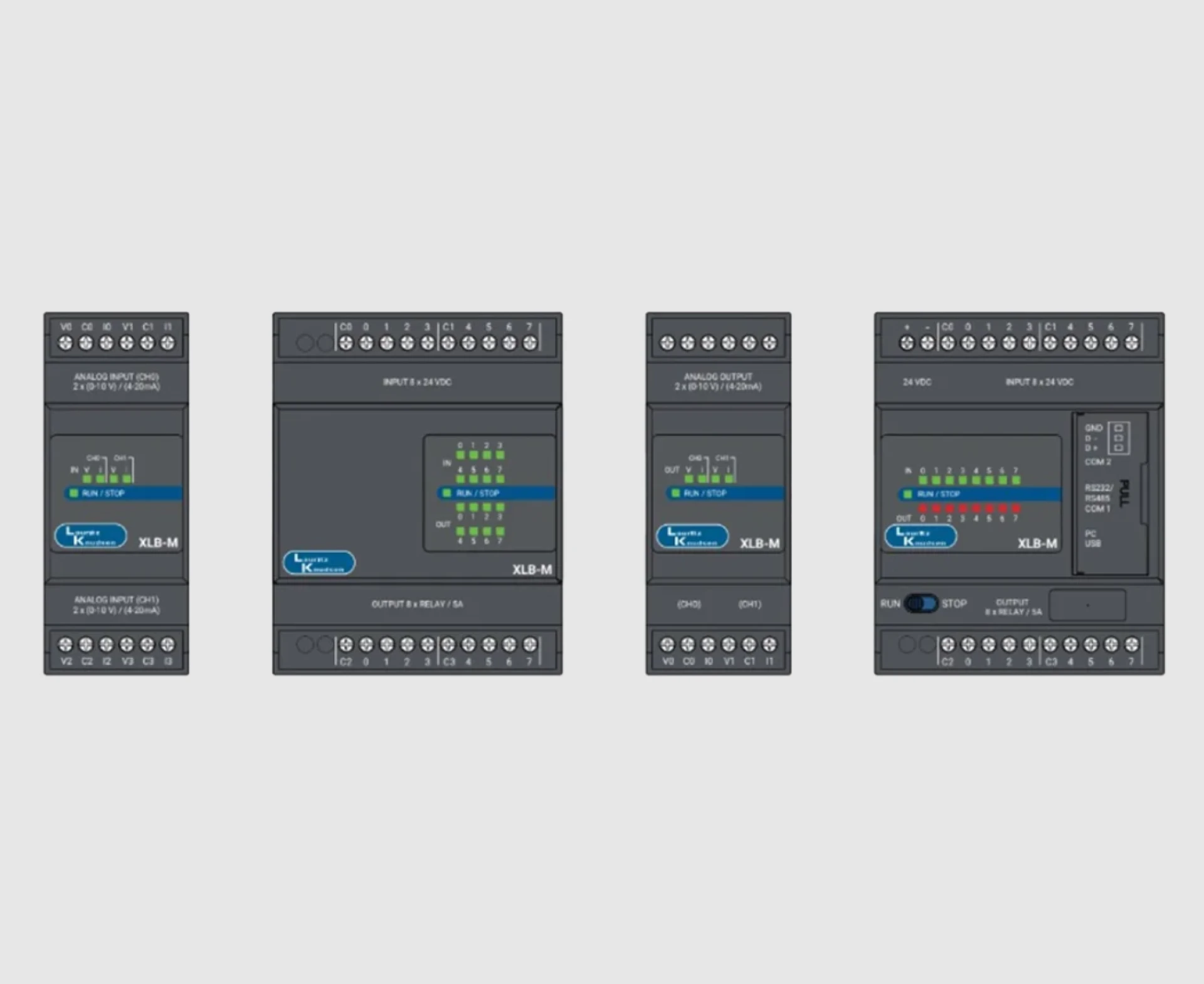
Scada (Supervisory Control and Data Acquisition) is a control system architecture used to monitor and manage industrial processes remotely. It collects real-time data from sensors, programmable logic controllers (PLCs), and remote terminal units (RTUs), then processes and displays this information for operators and engineers.
In digital transformation initiatives, scada serves as the central nervous system of industrial operations. It enables organizations to:
- Monitor production metrics in real time
- Track equipment performance
- Detect system faults immediately
- Automate control actions
- Maintain historical data records
By centralizing data collection and supervision, scada systems eliminate manual monitoring processes and significantly reduce human error. This data-centric approach enhances operational transparency and supports informed decision-making.
The Role of Human Machine Interface in Smart Operations
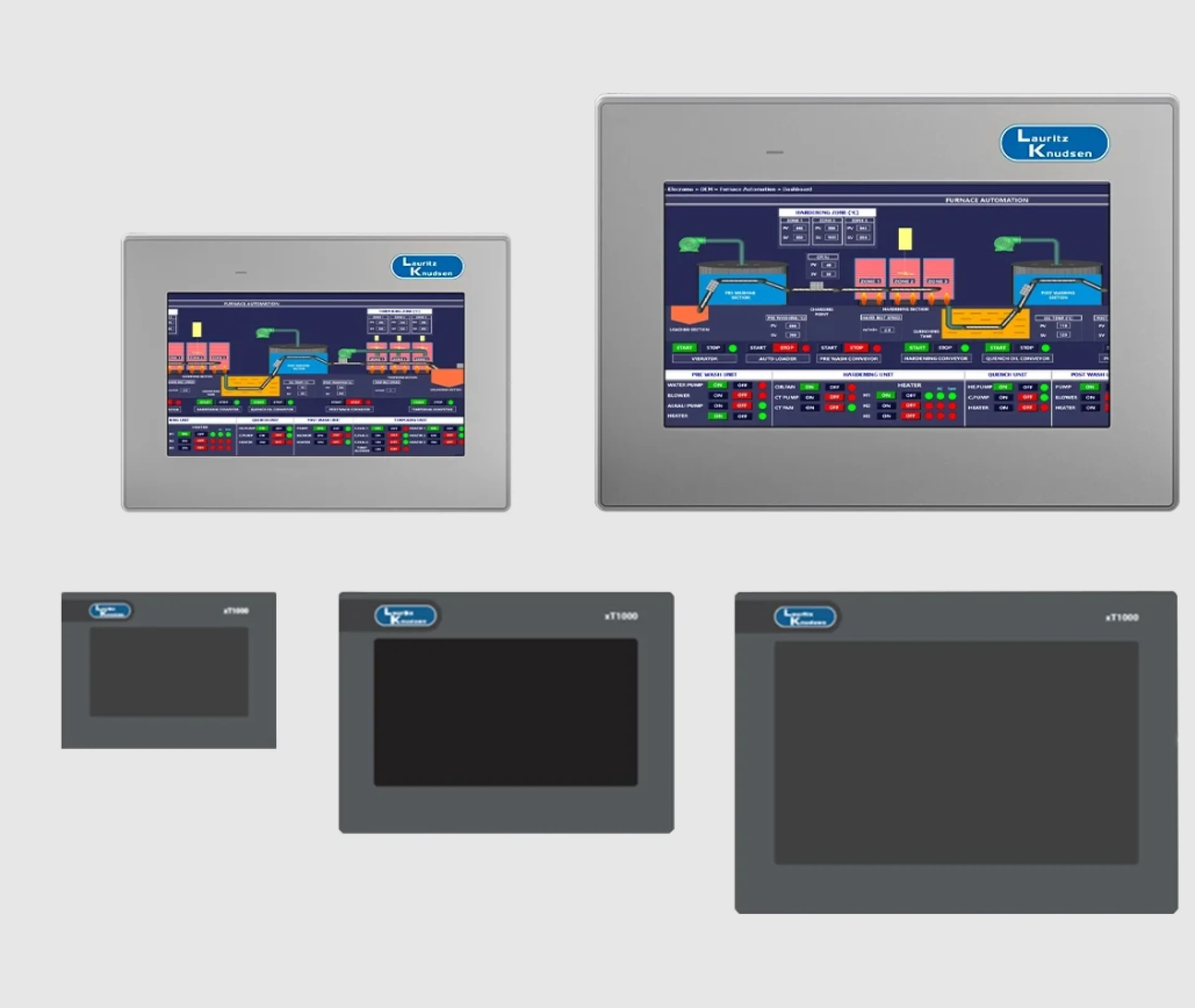
While scada systems handle data acquisition and control, the human machine interface (HMI) provides the visual and interactive layer that allows operators to engage with industrial systems.
A human machine interface presents real-time information through graphical dashboards, alarms, charts, and control panels. Operators can monitor machine performance, adjust process parameters, and respond to alerts through intuitive screens.
In digital transformation, the importance of an effective HMI cannot be overstated. It bridges the gap between complex automation systems and human operators by offering:
- Visual process representation
- Touchscreen control capabilities
- Alarm management systems
- Performance analytics dashboards
- Remote access functionality
By simplifying interaction with automated systems, the human machine interface enhances productivity and reduces response time during operational anomalies.
Enabling Real-Time Decision Making
One of the primary goals of digital transformation is to enable real-time decision-making. Traditional industrial models relied on periodic data reviews and manual inspections. However, modern facilities require instant access to operational data.
With integrated scada systems, data from across the plant is continuously collected and analyzed. This allows managers to identify inefficiencies, adjust production parameters, and prevent equipment failures before they escalate.
The human machine interface enhances this capability by presenting critical information in a clear and actionable format. Operators can quickly interpret performance indicators and respond promptly to changing conditions.
This synergy between scada and HMI ensures faster, smarter decisions that drive operational excellence.
Improving Operational Efficiency
Efficiency is a cornerstone of digital transformation. By automating repetitive tasks and optimizing processes, industries can reduce costs and improve output quality.
Scada systems streamline operations by automating data logging, scheduling control actions, and minimizing manual intervention. This reduces labor intensity and increases system reliability.
Meanwhile, the human machine interface enables operators to monitor multiple systems simultaneously from a single dashboard. Instead of physically inspecting equipment across the facility, operators can oversee operations centrally, saving time and resources.
The result is improved production efficiency, lower energy consumption, and enhanced asset utilization.
Enhancing Predictive Maintenance
Unplanned downtime can significantly impact productivity and profitability. Digital transformation strategies prioritize predictive maintenance to prevent unexpected breakdowns.
Through continuous monitoring, scada systems collect performance data such as temperature, vibration, pressure, and motor speed. Advanced analytics can detect patterns indicating potential equipment failure.
The human machine interface displays alerts and diagnostic information, allowing maintenance teams to act before a failure occurs. Predictive maintenance not only extends equipment lifespan but also reduces repair costs and production interruptions.
Supporting Industrial Connectivity and IoT
Industry 4.0 emphasizes interconnected systems that communicate seamlessly. Scada systems are increasingly integrated with industrial IoT platforms, enabling cloud connectivity and remote monitoring.
Modern human machine interface solutions support web-based dashboards and mobile access, allowing managers to monitor operations from anywhere. This remote accessibility enhances flexibility and supports decentralized management models.
By enabling connectivity, scada and HMI technologies form the foundation of smart, data-driven industries.
Strengthening Safety and Compliance
Safety and regulatory compliance are critical in industrial environments. Digital transformation enhances workplace safety through automated monitoring and alarm systems.
Scada systems can automatically shut down equipment during hazardous conditions, reducing risks to personnel and infrastructure.
The human machine interface ensures that operators receive immediate alerts about abnormal parameters. Clear visual warnings help teams respond quickly to prevent accidents.
Additionally, automated data logging supports regulatory reporting and compliance documentation, reducing administrative burdens.
Driving Sustainability Goals
Sustainability is a growing priority for industries worldwide. Efficient resource utilization and energy management are key aspects of digital transformation.
Scada systems enable precise monitoring of energy consumption, water usage, and emissions. Data-driven insights allow organizations to identify inefficiencies and implement corrective measures.
The human machine interface provides real-time visibility into sustainability metrics, helping management track environmental performance and achieve corporate responsibility goals.
The Future of Industrial Digital Transformation
As technology continues to evolve, scada and HMI systems will become even more advanced. Future developments may include artificial intelligence-driven analytics, enhanced cybersecurity features, and deeper integration with cloud platforms.
The convergence of automation, connectivity, and data intelligence will continue to redefine industrial operations. Companies that invest in advanced scada and human machine interface technologies will be better positioned to adapt to changing market demands and technological advancements.
Conclusion
Digital transformation in industry is powered by intelligent automation systems that enhance efficiency, safety, and productivity. Scada systems provide centralized monitoring and control, while the human machine interface delivers intuitive interaction and real-time visualization.
Together, these technologies enable smarter decision-making, predictive maintenance, improved operational efficiency, and stronger sustainability performance. As industries move toward fully connected and data-driven environments, investing in advanced automation solutions becomes essential.
For organizations seeking reliable and innovative automation technologies, Lauritz Knudsen offers advanced scada and human machine interface solutions designed to support digital transformation and drive industrial excellence.