
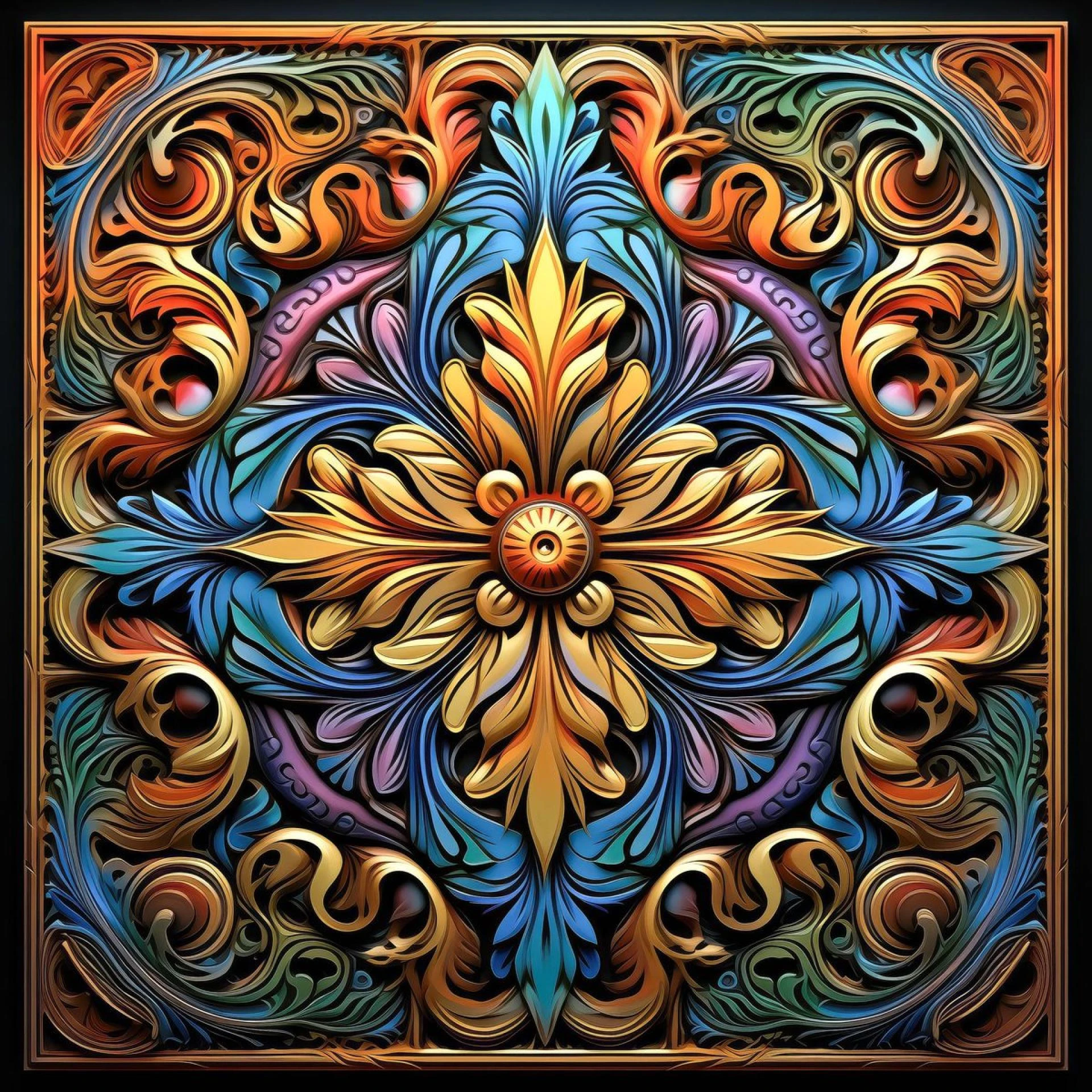
In the world of modern printing, technology continues to expand the possibilities of design and decoration. One innovation that has significantly changed the way images and patterns are applied to surfaces is digital ceramic printing. This advanced method allows manufacturers, designers, and architects to create highly detailed graphics directly on ceramic materials such as tiles, glass, and porcelain.
Unlike traditional printing methods, digital ceramic printing combines high-resolution digital imaging with durable ceramic inks. The result is a long-lasting, visually stunning finish that can be used in both functional and decorative applications.
What Is Digital Ceramic Printing?
Digital ceramic printing is a specialized printing process that transfers digital images directly onto ceramic surfaces using ceramic-based inks. The design is printed through advanced inkjet printers and then fired in a kiln at high temperatures. During this firing process, the inks fuse permanently with the surface, creating a durable and resistant finish.
This technology allows manufacturers to reproduce complex patterns, textures, and photographic images on materials that were previously difficult to customize. From realistic stone textures to artistic wall murals, the possibilities are nearly limitless.
How the Digital Ceramic Printing Process Works
The process involves several technical stages that ensure both quality and durability.
1. Digital Design Preparation
The first step is preparing the digital artwork. Designers use specialized software to create or edit high-resolution images. These images can include textures, graphics, patterns, or even photographic content.
2. Inkjet Printing with Ceramic Inks
Once the design is ready, it is printed onto the ceramic surface using industrial inkjet printers. These printers use specially formulated ceramic inks that can withstand high firing temperatures.
This stage is where digital ceramic printing truly demonstrates its precision. The inkjet system deposits microscopic droplets of ink onto the surface, ensuring high-resolution detail and color accuracy.
3. Kiln Firing
After printing, the ceramic piece is fired in a kiln. Temperatures can reach over 800–1000°C depending on the material. During this firing stage, the ink chemically bonds with the ceramic glaze, making the design permanent.
The final product becomes resistant to moisture, UV rays, scratches, and heat.
Advantages of Digital Ceramic Printing
This printing technology offers several advantages compared to traditional decoration methods.
Exceptional Design Flexibility
Traditional ceramic decoration methods often rely on fixed templates or screens. Digital printing removes those limitations, allowing designers to easily modify or customize designs.
Architects, interior designers, and manufacturers can produce unique surfaces without changing physical molds or screens.
High Resolution and Realistic Textures
One of the biggest benefits of digital ceramic printing is its ability to replicate natural materials. For example, ceramic tiles can be printed to mimic marble, wood grain, concrete, or natural stone with remarkable realism.
This makes it possible to achieve luxury aesthetics without the cost or maintenance of natural materials.
Durability and Longevity
Because the ink fuses with the ceramic during firing, the final design becomes part of the surface itself. This makes the printed image extremely resistant to wear, scratches, and fading.
For high-traffic areas such as commercial spaces, airports, or hotels, this durability is especially valuable.
Environmentally Efficient Production
Digital printing technology also helps reduce waste. Traditional methods often require large production runs and multiple printing screens, while digital systems allow small batches and customized designs without additional material waste.
Applications of Digital Ceramic Printing
Digital ceramic printing is used across many industries due to its versatility and durability.
Architectural and Interior Design
Architects frequently use digitally printed ceramic tiles to create decorative wall panels, flooring designs, and feature walls. These designs can add visual interest to spaces while maintaining the durability required in commercial environments.
In regions with strong architectural development, such as the UAE, customized ceramic designs are commonly used in luxury hotels, shopping centers, and residential buildings.
Customized Ceramic Tiles
Tile manufacturers use digital printing to produce tiles with unique patterns, textures, and artistic designs. Homeowners can choose designs that match specific interior styles, from modern minimalism to classic decorative motifs.
Decorative Glass and Panels
Glass panels printed with ceramic inks are often used for kitchens, bathrooms, and commercial interiors. These panels provide both aesthetic value and resistance to heat and moisture.
Public Art and Large-Scale Installations
Digital ceramic printing also enables the creation of large murals and architectural art pieces. Because the printing process is highly precise, designers can produce large images across multiple tiles that align perfectly when installed.
Why Digital Ceramic Printing Is Growing in Popularity
The rapid growth of this technology is largely due to its balance between creativity and durability. Designers can experiment with new ideas while still maintaining the strength and longevity of ceramic materials.
Another key factor is customization. Modern architecture increasingly favors personalized designs rather than uniform surfaces. Digital printing makes it possible to produce small quantities of customized designs efficiently.
In design-driven markets such as Dubai, where unique interiors and architectural aesthetics are highly valued, digital ceramic printing provides the flexibility needed to meet these creative demands.
Conclusion
Digital ceramic printing represents a major advancement in surface decoration technology. By combining digital design with durable ceramic materials, this process allows manufacturers and designers to create highly detailed, long-lasting decorative surfaces.
From architectural applications to custom interior designs, the versatility of this printing method continues to expand. As technology evolves, digital ceramic printing will likely play an even greater role in shaping modern design, offering creative freedom while maintaining the durability that ceramic materials are known for.