
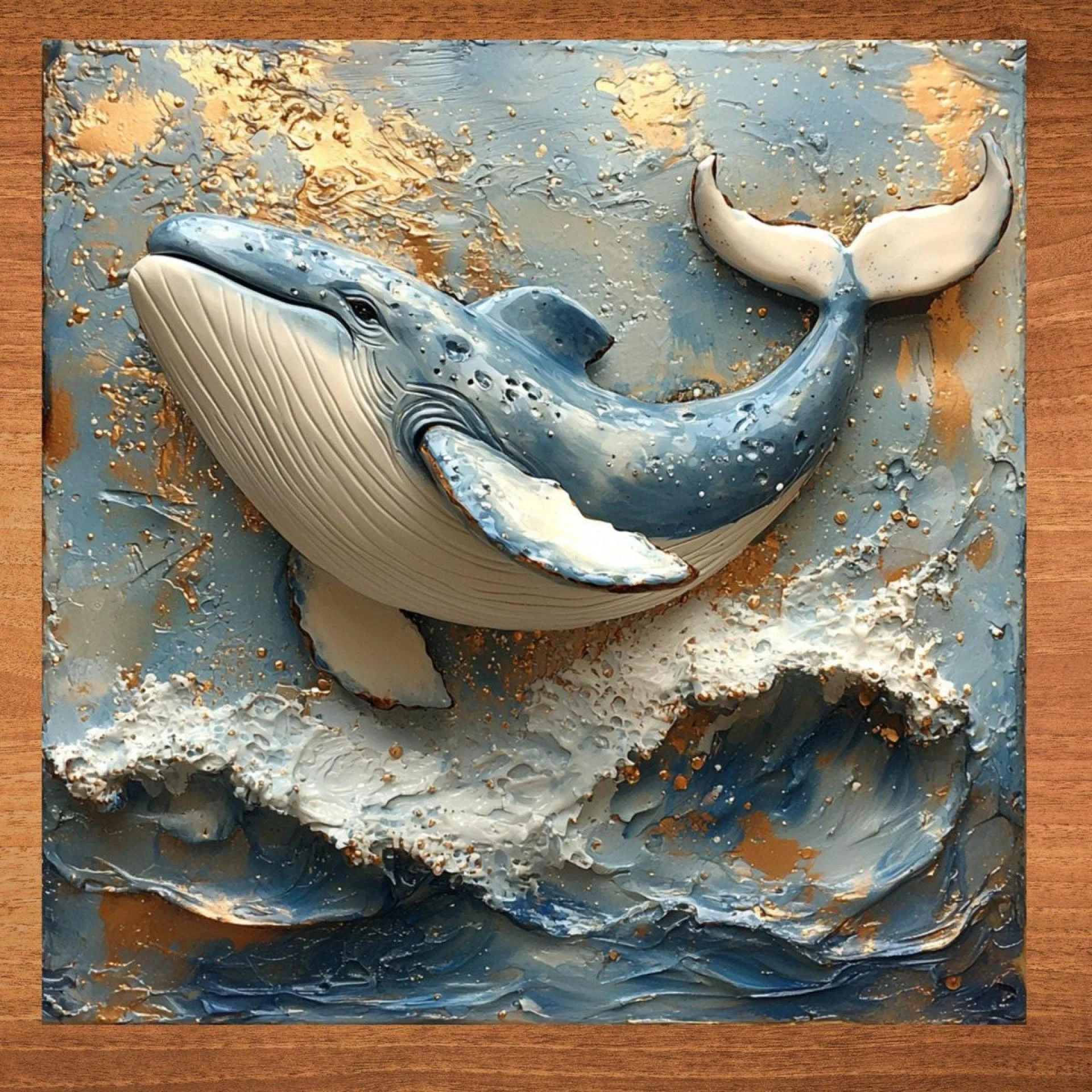
Understanding Digital Ceramic Printing Technology
Digital ceramic printing is a modern surface decoration method that applies high-resolution designs directly onto ceramic tiles, glass, and related materials using advanced inkjet technology. Unlike conventional printing techniques, it allows precise control over color gradients, textures, and fine details. This process ensures consistency across large batches while maintaining design accuracy. As architectural and interior trends evolve, this technology has become essential for projects that demand customization, durability, and visual refinement in both residential and commercial environments.
How Digital Printing Transforms Ceramic Surfaces
Traditional ceramic decoration relied on screens and repetitive patterns, limiting creative freedom. Digital printing removes these constraints by allowing unique designs for every tile without added setup costs. Designers can reproduce natural stone, wood textures, abstract art, or photographic imagery with remarkable realism. This transformation has elevated ceramic surfaces from functional elements to focal design features, enabling spaces to achieve a cohesive and contemporary aesthetic.
Precision and Color Consistency
Advanced printers ensure exact color reproduction and seamless alignment, even on large-format ceramic panels.
Applications in Architecture and Interior Design
Digital ceramic printing is widely used in residential interiors, hospitality projects, retail spaces, and public architecture. Kitchens, bathrooms, feature walls, and facades benefit from printed ceramics due to their resistance to heat, moisture, and wear. Designers favor this solution for high-traffic areas because it combines visual appeal with long-term performance. The versatility of printed ceramics allows architects to maintain design continuity across indoor and outdoor spaces.
Customization and Design Flexibility
One of the strongest advantages of digital ceramic printing is unlimited customization. Designers can adjust scale, tone, and pattern layout to suit specific spatial requirements. Whether producing minimalist designs or bold artistic statements, the process adapts effortlessly. Custom printing also allows brand-specific visuals in commercial spaces, reinforcing identity without compromising surface durability or finish quality.
Durability and Technical Performance
Printed ceramic surfaces are not only visually impressive but also engineered for performance. The inks fuse with the ceramic surface during firing, making designs resistant to fading, scratching, and chemical exposure. This durability ensures suitability for demanding environments such as commercial kitchens, shopping centers, and exterior cladding. As a result, digital ceramic printing supports long-term maintenance efficiency while preserving aesthetic value.
Sustainability and Efficient Production
Digital printing reduces material waste by eliminating screens and excess ink usage. Designs are printed on demand, minimizing overproduction and storage requirements. This efficiency supports sustainable manufacturing practices while maintaining consistent quality. Many projects now prefer digital ceramic printing because it aligns with environmentally responsible construction goals without limiting creative possibilities.
Design Innovation with digital ceramic printing
The creative potential of digital ceramic printing lies in its ability to merge artistic vision with industrial precision. Complex visuals, realistic textures, and customized layouts can be produced without compromising speed or consistency. This innovation allows designers to experiment freely while meeting strict project timelines, making it a preferred solution for modern architectural and interior applications.
Quality Control and Professional Expertise
Achieving optimal results requires expertise in color calibration, surface preparation, and firing processes. Skilled production teams ensure that each printed piece meets technical and visual standards. Professional oversight reduces errors and guarantees consistency across large-scale installations, reinforcing trust in the final outcome. ArtPlus in UAE is recognized for delivering reliable digital ceramic printing solutions with a focus on precision and quality.
Future Trends in Ceramic Surface Printing
As technology advances, digital ceramic printing continues to evolve with higher resolutions, larger formats, and improved ink formulations. The future points toward greater personalization, faster production cycles, and enhanced sustainability. These advancements will further integrate printed ceramics into architectural design, expanding their role beyond traditional applications into more expressive and innovative environments.
Conclusion
Digital ceramic printing has redefined how ceramic surfaces are designed and applied. By combining customization, durability, and sustainable production, it offers a forward-thinking solution for modern spaces. As design expectations grow, this technology remains a reliable choice for achieving visually striking and technically sound ceramic applications.