With the increasing demand for specialized tents, many organizations evaluate Inflatable Tent Manufacturers based on the variety of tent types, design flexibility, and technical expertise. Resources such as Inflatable Tent Manufacturers provide insights into leading suppliers, highlighting the range of inflatable tent solutions and their respective uses. Each type of inflatable tent offers unique advantages, tailored to particular environments, operational requirements, and event objectives.
Dome Inflatable TentsDome-shaped inflatable tents are one of the most common types, characterized by a rounded, geodesic structure that provides excellent stability. The curved design allows wind and rain to flow over the surface, minimizing pressure on the tent fabric and air beams. Dome tents are highly versatile, suitable for small to medium-sized events, exhibition spaces, and promotional activities. They are also popular for camping and recreational purposes due to their simple setup and lightweight design. Dome tents often serve as temporary shelters in emergency scenarios because of their rapid deployment and structural resilience.
Tunnel Inflatable TentsTunnel inflatable tents feature a cylindrical, elongated shape, often with multiple connected air beams running parallel along the length of the tent. This design is ideal for creating long, continuous spaces, making them suitable for exhibition halls, temporary medical facilities, and event walkways. Tunnel tents are easy to expand by connecting additional sections, providing flexibility for growing space requirements. Their structure distributes stress evenly across multiple air beams, enhancing durability and wind resistance, which makes them effective in outdoor settings.
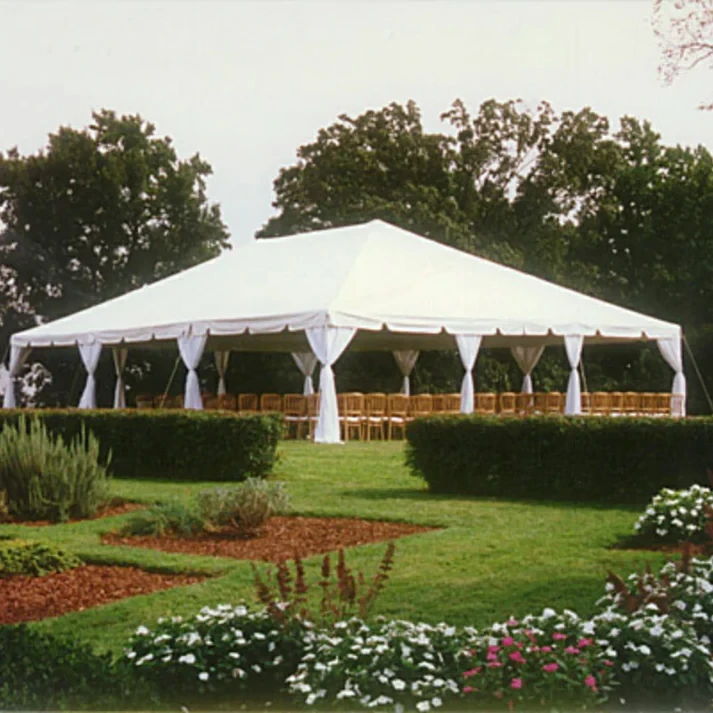
Arch or Pavilion Inflatable TentsArch or pavilion inflatable tents are designed with high, curved entrances and open interior spaces. They are commonly used for large-scale promotional events, brand activations, trade shows, and sports events. The aesthetic appeal of arch tents allows businesses to create visually striking installations that attract attention while offering functional shelter. Pavilion tents often include transparent panels or windows for natural light, and their large interior space allows for multiple functional areas, such as seating, display zones, and interactive exhibits.
Cube or Modular Inflatable TentsCube-shaped or modular inflatable tents offer a highly flexible and adaptable solution. These tents are typically designed as modular units that can be connected to create larger structures, making them ideal for exhibitions, emergency response centers, and temporary operational facilities. Cube tents provide efficient use of space, as their straight walls and square layouts allow for easy partitioning and organization. Their modularity also simplifies transportation, assembly, and storage, making them a practical option for organizations that require scalable shelter solutions.
Event-Specific Inflatable TentsSome inflatable tents are designed specifically for events, incorporating custom branding, unique shapes, and integrated features such as lighting, ventilation, or digital displays. These tents are often used for marketing campaigns, festivals, sports competitions, and product launches. Manufacturers can produce tents in distinctive shapes—such as inflatable arches, pyramids, or branded mascots—to create memorable experiences and enhance brand visibility. These event-specific tents combine aesthetic appeal with functional performance, offering versatile options for both indoor and outdoor settings.
Emergency and Medical Inflatable TentsInflatable tents play a critical role in emergency response and medical applications. These tents are designed for rapid deployment, providing immediate shelter, triage areas, and mobile medical units during natural disasters, public health emergencies, or military operations. They often include features such as insulated walls, reinforced air beams, and easy-access entrances to accommodate equipment and personnel. The portability and quick setup of inflatable medical tents allow responders to establish operational bases efficiently, even in remote or challenging environments.
Recreational and Camping Inflatable TentsFor personal and recreational use, inflatable tents are popular for camping, hiking, and outdoor leisure activities. These tents are lightweight, easy to transport, and simple to set up, making them ideal for individual or family use. Dome or tunnel designs are commonly used for camping, providing protection from the elements while offering comfortable interior space. The ease of inflation and deflation allows outdoor enthusiasts to enjoy temporary shelter without the complexity of traditional pole tents.
ConclusionInflatable tents offer a wide range of types and configurations to meet diverse operational and recreational needs. Dome, tunnel, arch, cube, event-specific, emergency, and recreational tents each provide unique advantages, including rapid deployment, flexibility, stability, and aesthetic appeal. By understanding the differences and applications of each type, organizations can select the most suitable inflatable tent for their specific requirements. Partnering with experienced Inflatable Tent Manufacturers ensures access to high-quality, reliable, and purpose-built tents that deliver both functional performance and long-term durability.