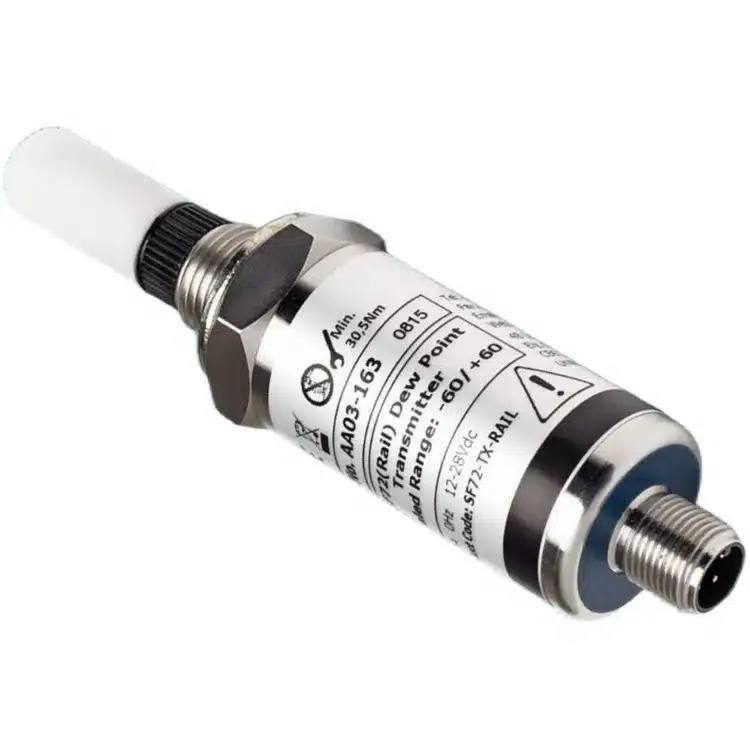
Moisture control is an important part of many industrial processes where compressed air and gases need to remain within controlled conditions. Excess moisture can contribute to corrosion, contamination, equipment problems, and inconsistent process performance. Reliable measurement allows technicians to understand changing conditions and respond before moisture-related issues become more disruptive. A properly selected sensor can provide continuous or targeted information about dew point levels, depending on the application. ShawMeter provides moisture measurement solutions designed for industrial environments where dependable dew point monitoring is important.
Understanding How a Dewpoint Sensor Supports Moisture Monitoring
A dewpoint sensor measures the temperature at which moisture in a gas begins to condense. This measurement gives engineers and technicians useful information about the moisture content of compressed air or other gases. In industrial systems, monitoring dew point can help identify changes in drying performance, detect potential moisture problems, and support routine maintenance decisions.
Dew point monitoring can be particularly useful in applications where dry air or gas is essential for reliable operation. By measuring conditions at appropriate points within a system, technicians can gain a clearer understanding of whether moisture levels remain within the required range.
Why Dew Point Measurement Matters
Moisture can create several challenges in compressed air and gas systems. Water vapor may condense when temperature or pressure changes, potentially affecting pipes, valves, instruments, and other components. In sensitive processes, unwanted moisture may also influence product quality or operating conditions.
Monitoring dew point provides a measurable way to evaluate these conditions rather than relying only on visible signs of condensation. Regular readings can also help maintenance teams identify gradual changes before they develop into larger operational concerns.
Continuous Monitoring in Industrial Applications
Depending on the installation, a sensor can be integrated into a monitoring system to provide ongoing information about moisture conditions. Continuous measurement can be valuable when dew point needs to be tracked consistently rather than checked only during occasional inspections.
This approach can help operators recognize trends and investigate unusual changes in system performance. It can also complement other maintenance and process monitoring practices.
Choosing a Dewpoint Sensor for Different Applications
Selecting the right Dewpoint sensor depends on the operating environment, required measurement range, pressure conditions, accuracy requirements, and type of gas being monitored. A sensor designed for one application may not necessarily be appropriate for another, so understanding the measurement requirements is an important part of the selection process.
Industrial users may need to monitor compressed air systems, dryers, pneumatic equipment, gas distribution networks, or specialized processes. Reviewing the sensor's specifications against the actual operating conditions can help ensure that the selected instrument is suitable for the intended application.
Considering Measurement Range
Different applications can require different dew point ranges. Some systems need to monitor extremely dry conditions, while others operate within less demanding moisture ranges.
Before selecting an instrument, technicians should identify the expected dew point range and compare it with the manufacturer's stated measurement capabilities. This can help prevent selecting a device that is unsuitable for the actual process conditions.
Accuracy and Measurement Reliability
Accuracy is another important consideration when dew point readings are used to support maintenance or process decisions. Consistent measurements can provide greater confidence when technicians are comparing conditions over time or investigating potential moisture problems.
Users should also consider the environmental conditions surrounding the measurement point, including temperature, pressure, and installation requirements, because these factors can influence measurement performance.
Explore ShawMeter Dew Point Measurement Solutions – https://www.shawmeters.com/
Dew Point Monitoring in Compressed Air Systems
Compressed air is widely used across manufacturing facilities, workshops, automation systems, and industrial production environments. Moisture control is important because water can accumulate within a compressed air network if drying and filtration systems are not operating as expected.
A suitable monitoring solution can help maintenance teams assess the effectiveness of air dryers and identify changes in system conditions. Regular measurements can also support preventive maintenance by providing information about moisture trends before equipment performance is affected.
Applications Beyond Compressed Air
Dew point measurement is not limited to compressed air systems. Industrial gases, storage environments, laboratories, energy systems, and specialized manufacturing processes may also require moisture monitoring.
The appropriate measurement method depends on the application and the characteristics of the gas being tested. Factors such as pressure, temperature, required accuracy, and expected moisture levels should be considered before choosing measurement equipment.
Sensor Installation and Measurement Location
Where a sensor is installed can have a significant effect on the usefulness of the measurements. The selected measurement point should represent the conditions that the operator actually needs to monitor.
Technicians should follow the manufacturer's installation recommendations and consider factors such as gas flow, pressure, temperature, and accessibility. A correctly positioned sensor can provide more meaningful information for process monitoring and maintenance.
Maintenance and Calibration Considerations
Like other measurement instruments, dew point sensors should be handled and maintained according to the manufacturer's recommendations. Depending on the application and required measurement confidence, periodic calibration or verification may be appropriate.
Keeping records of readings and maintenance activities can also help organizations identify long-term trends. If measurements begin changing unexpectedly, historical data can provide useful context when investigating the cause.
Benefits of Reliable Dew Point Measurement
Effective dew point monitoring can support several areas of industrial operation. It can help maintenance teams identify moisture-related changes, evaluate drying equipment, monitor process conditions, and plan inspections more effectively.
Reliable measurement can also support better decision-making because technicians have actual data to review rather than depending only on assumptions. When combined with preventive maintenance practices, moisture monitoring can become an important part of maintaining stable system performance.
Choosing ShawMeter for Industrial Moisture Monitoring
Dew point measurement plays an important role in systems where moisture control affects equipment reliability, product quality, and process performance. The right monitoring solution should match the application's measurement range, environmental conditions, accuracy requirements, and installation needs.
ShawMeter provides dew point measurement solutions for industrial users who need dependable information about moisture conditions. By selecting an appropriate sensor and maintaining it according to recommended procedures, technicians can develop a more reliable approach to monitoring compressed air and gas systems.