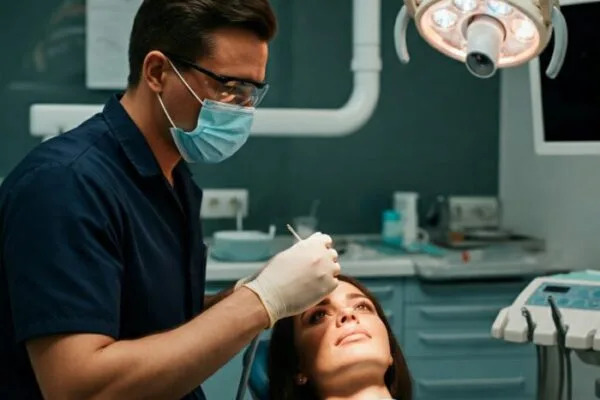
Maintaining a healthy smile involves more than brushing and flossing every day. Regular dental examinations, professional cleanings, and timely treatment all contribute to strong teeth, healthy gums, and long-term oral wellness. For individuals and families living in the West Kootenays, finding a dentist in Nelson, BC, who understands their needs can make maintaining oral health more convenient and comfortable.
Choosing a dental professional is an important decision. Patients often look for a welcoming environment, clear communication, modern techniques, and treatment options that suit their individual circumstances. Whether you need a routine checkup, help with a damaged tooth, or information about improving your smile, understanding the services available can help you make informed decisions about your dental care.
What to Look for When Choosing a Dentist in Nelson, BC
Finding the right dentist involves considering several factors beyond location. A suitable dental practice should help patients feel comfortable asking questions, understanding treatment recommendations, and discussing their oral health concerns.
Preventive care and regular examinations
Preventive dentistry plays an essential role in maintaining healthy teeth and gums. Routine dental examinations allow dental professionals to assess oral health, identify potential concerns, and recommend appropriate care before certain problems become more complicated. Professional cleanings help remove plaque and hardened deposits that regular brushing may not eliminate effectively.
During a dental examination, a dentist may check for cavities, gum inflammation, worn teeth, and other changes affecting oral health. Dental X-rays may be recommended when clinically necessary. The frequency of visits depends on individual risk factors, dental history, and professional recommendations.
A comfortable and welcoming environment
Dental anxiety can prevent people from attending regular appointments. A friendly dental team, clear explanations, and a patient-centred approach can make visits less stressful. Patients should feel comfortable discussing concerns about discomfort, previous dental experiences, treatment procedures, and available options.
For children, positive dental experiences can help establish healthy habits early in life. Adults may also benefit from a supportive environment that encourages consistent preventive care rather than waiting until a problem becomes painful.
Modern techniques and personalized treatment
Dental technology continues to improve how dental professionals examine teeth, plan treatment, and restore damaged structures. Digital imaging, intraoral scanning, and other modern tools may support diagnosis and treatment planning when appropriate.
However, technology is only one consideration. Effective dental care also involves professional judgment, careful assessment, and communication. A dentist should explain the purpose of recommended procedures, discuss suitable alternatives, and help patients understand the potential benefits, limitations, and costs involved.
When researching a dentist in Nelson, BC, consider the practice's services, appointment availability, communication style, and approach to individualized care. These factors can help you choose a dental provider who supports your needs over time.
Common Dental Services That Support Long-Term Oral Health
Dental care includes a variety of preventive, restorative, and cosmetic services. The appropriate treatment depends on the condition of your teeth and gums, your overall oral health, and your personal goals.
Dental hygiene and gum care
Professional dental cleanings help manage plaque and tartar buildup, while examinations can identify signs of gum inflammation. Healthy gums are important because periodontal disease can damage the tissues and bone supporting the teeth if left untreated.
Daily brushing with fluoride toothpaste, cleaning between the teeth, and following professional advice can help reduce the risk of cavities and gum disease. People with a history of gum problems may need more frequent professional maintenance.
Fillings and restorative dentistry
Cavities develop when acids produced by oral bacteria gradually damage tooth enamel. When decay is detected, a dentist may recommend removing the affected tissue and restoring the tooth with a suitable filling material. Composite resin fillings are commonly used because they can be matched to the natural colour of the teeth.
Restorative treatment may also be needed when a tooth becomes cracked, worn, or weakened. Depending on the extent of the damage, a dentist may recommend a filling, crown, or another appropriate restoration. Treating dental problems promptly can help preserve natural tooth structure.
Dental crowns and implants
Dental crowns cover and protect teeth that require additional structural support. They may be recommended for teeth with extensive damage, certain large fillings, or after root canal treatment when clinically appropriate.
Dental implants offer another option for replacing missing teeth. An implant is placed in the jawbone to support a replacement tooth or other dental restoration. Treatment requires careful assessment of bone health, gum condition, medical history, and individual suitability. The process and healing period vary between patients.
Invisalign and orthodontic options
Some patients want to improve the alignment of their teeth for functional or aesthetic reasons. Invisalign treatment uses a series of custom-made clear aligners to move teeth gradually. Suitability depends on the complexity of the alignment concerns and the patient's dental condition.
Clear aligners are removable for eating, drinking anything other than water, and cleaning the teeth. However, they generally need to be worn for the recommended number of hours each day to achieve the planned results. A dental professional can explain whether clear aligners or another orthodontic approach is appropriate.
Cosmetic dentistry and smile enhancement
Cosmetic dental services may help address concerns such as tooth discolouration, uneven edges, gaps, or damaged enamel. Depending on the situation, options may include professional whitening, bonding, veneers, or crowns.
Cosmetic treatment should begin with an assessment of oral health. Addressing active decay or gum disease first helps establish a healthier foundation for elective procedures. A good treatment plan considers appearance alongside function, tooth preservation, and long-term maintenance.
Maintaining Your Smile Between Dental Visits
Regular professional care is most effective when combined with consistent home habits. Simple daily routines can help reduce the risk of common oral health problems and support the results of dental treatment.
Brush your teeth twice daily with fluoride toothpaste, using a soft-bristled toothbrush and gentle movements along the gumline. Replace your toothbrush or brush head when the bristles become worn. Clean between your teeth daily with dental floss or an appropriate interdental cleaning aid to remove plaque from areas a toothbrush may not reach.
Diet also influences oral health. Frequent consumption of sugary foods and drinks increases the opportunities for bacteria to produce acids that contribute to tooth decay. Limiting sugary snacks, choosing balanced meals, and drinking water regularly can help protect your teeth. After consuming acidic beverages, rinsing with water and waiting before brushing may help reduce the risk of brushing softened enamel.
Avoid using your teeth to open packaging or bite hard objects, as these habits can cause chips and fractures. If you grind or clench your teeth, discuss the problem with a dental professional. Depending on the cause and severity, a protective night guard may be recommended.
Pay attention to changes in your mouth, including persistent sensitivity, bleeding gums, swelling, loose teeth, or ongoing discomfort. Early assessment can help identify the cause and determine whether treatment is needed. Severe dental pain, facial swelling, or signs of infection require prompt professional attention.
It is also worth discussing dental coverage before beginning treatment. Patients in Canada may have private dental benefits, government-supported coverage, or no dental insurance. Asking about treatment estimates, insurance claims, and payment arrangements can help you understand the financial aspects of care before proceeding.
Final Thoughts
Choosing a dentist in Nelson, BC, is an important step toward protecting your oral health and maintaining a confident smile. Preventive examinations, professional hygiene, restorative treatments, and appropriate cosmetic options all contribute to a well-rounded approach to dental wellness. By developing consistent home-care habits and seeking professional advice when concerns arise, individuals and families can make informed decisions about their dental needs.
For those researching local dental care in Nelson and the West Kootenays, Heritage Family Dental is one resource to consider when learning about preventive, restorative, and cosmetic dentistry. Exploring the available services and discussing individual concerns with a dental professional can help you identify suitable options for maintaining healthy teeth and gums throughout every stage of life.