

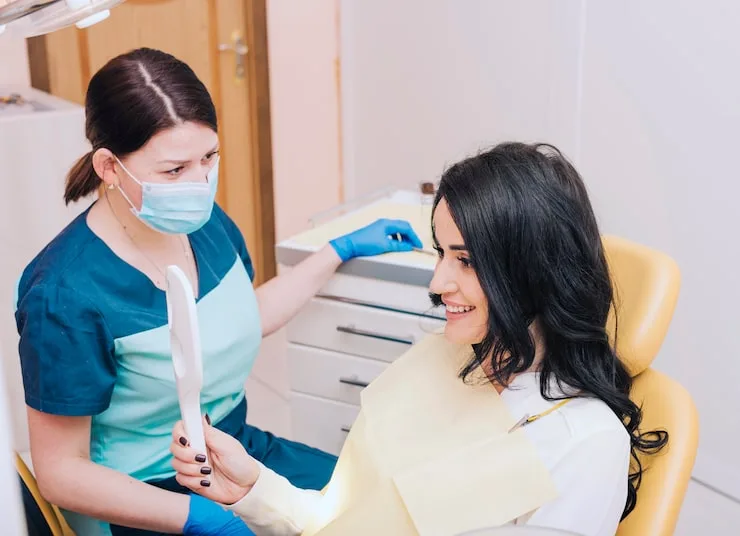
Quick answer: Dental preventive care services are routine treatments and checkups that stop dental problems before they start. They include professional cleanings, dental exams, X-rays, oral cancer screenings, fluoride treatments, dental sealants and personalized home care advice. Most people benefit from a visit every six months, though your dentist may suggest a different schedule based on your needs.
What Are Dental Preventive Care Services?
Dental preventive care services focus on keeping your teeth and gums healthy rather than repairing damage after it happens. Think of them as regular maintenance for your mouth. Catching a small cavity early is simpler, more comfortable and far less costly than treating a deep infection later.
At Central Park West Dental Studio, preventive care is the foundation of long-term oral health. Here is what your dentist does at a preventive visit and why each step matters.
1. Comprehensive Dental Exams
During an exam, your dentist checks your teeth, gums, tongue, jaw and bite for early signs of trouble. They look for:
- Cavities and enamel wear
- Gum inflammation or recession
- Cracked or worn teeth
- Signs of teeth grinding
- Problems with existing fillings or crowns
Many dental issues cause no pain in their early stages. A regular exam finds them while treatment is still simple.
2. Professional Teeth Cleaning
Even if you brush and floss well, plaque can harden into tartar (also called calculus) in places a toothbrush cannot reach. Only a dental professional can remove tartar.
A professional cleaning:
- Removes plaque and tartar buildup
- Reduces the bacteria that cause gum disease and cavities
- Polishes teeth to remove surface stains
- Leaves your mouth feeling fresh and clean
Regular cleanings are one of the most effective ways to prevent gum disease, which is a leading cause of tooth loss in adults.
3. Dental X-Rays
X-rays let your dentist see what is invisible to the naked eye, such as decay between teeth, bone loss, impacted teeth and infections below the gumline. Your dentist decides how often you need them based on your age, risk level and dental history. Modern digital X-rays use very low radiation levels.
4. Oral Cancer Screening
A preventive visit also includes a quick, painless check of your lips, cheeks, tongue, throat and neck for unusual lumps, sores or color changes. Oral cancer is far more treatable when found early, which makes this a valuable part of every checkup.
5. Fluoride Treatments
Fluoride strengthens tooth enamel and helps reverse the earliest stages of decay. A professional fluoride treatment is applied quickly and is especially helpful for:
- Children and teenagers
- Adults with a history of cavities
- People with dry mouth
- Patients with exposed tooth roots
6. Dental Sealants
Sealants are thin protective coatings placed on the chewing surfaces of back teeth, where food and bacteria easily collect. They are commonly used for children’s molars, but adults who are prone to cavities can benefit too. Sealants are painless to apply and can protect teeth for years.
7. Personalized Oral Hygiene Guidance
Good preventive care includes education. Your dentist or hygienist can show you:
- The right brushing and flossing technique for your mouth
- Which toothbrush and toothpaste suit your needs
- How diet affects your teeth, especially sugary and acidic foods and drinks
- How habits like smoking can harm your gums and overall health
Why Preventive Dental Care Matters
Oral health is closely linked to overall health. Research has connected untreated gum disease with conditions such as diabetes and heart disease. Preventive care helps you:
- Avoid pain and emergencies by catching problems early
- Save money because early treatment usually costs less than major procedures
- Keep your natural teeth for life
- Feel confident with a healthy, clean smile
- Protect your overall well-being
How Often Should You Visit the Dentist?
Most adults and children should visit the dentist every six months for a cleaning and exam. Some people need more frequent visits, including those with gum disease, diabetes, a history of frequent cavities or a habit of smoking. Your dentist will recommend a schedule based on your individual risk.
Preventive Care for Every Age
- Children: Early checkups, sealants and fluoride build strong habits and protect developing teeth.
- Adults: Regular cleanings and exams guard against gum disease, decay and oral cancer.
- Seniors: Preventive visits help manage dry mouth, worn enamel, root decay and denture or implant care.
Frequently Asked Questions
What is included in preventive dental care?
It typically includes dental exams, professional cleanings, X-rays, oral cancer screenings, fluoride treatments, sealants and hygiene education.
Is preventive dental care painful?
No. Cleanings and exams are generally comfortable. If you feel anxious or have sensitive teeth, let your dental team know so they can make you more comfortable.
Is preventive dental care worth it?
Yes. Preventing problems is almost always easier, less invasive and more affordable than treating advanced dental disease.
Can I skip the dentist if I brush and floss every day?
Daily care is essential, but it cannot replace professional cleanings and exams. Tartar can only be removed by a dental professional, and early problems often have no symptoms.
Does dental insurance cover preventive care?
Many plans cover preventive visits fully or partially. Check your plan details or ask your dental office to help you understand your coverage.
Take the Next Step Toward a Healthier Smile
Preventive care is the simplest way to protect your teeth, your health and your budget. With regular checkups, professional cleanings and good daily habits, most dental problems can be avoided or caught early.
If you are ready to schedule a visit, the team at Central Park West Dental Studio is here to provide gentle, personalized preventive care for you and your family. Book your appointment today and take a confident step toward a lifetime of healthy smiles.


