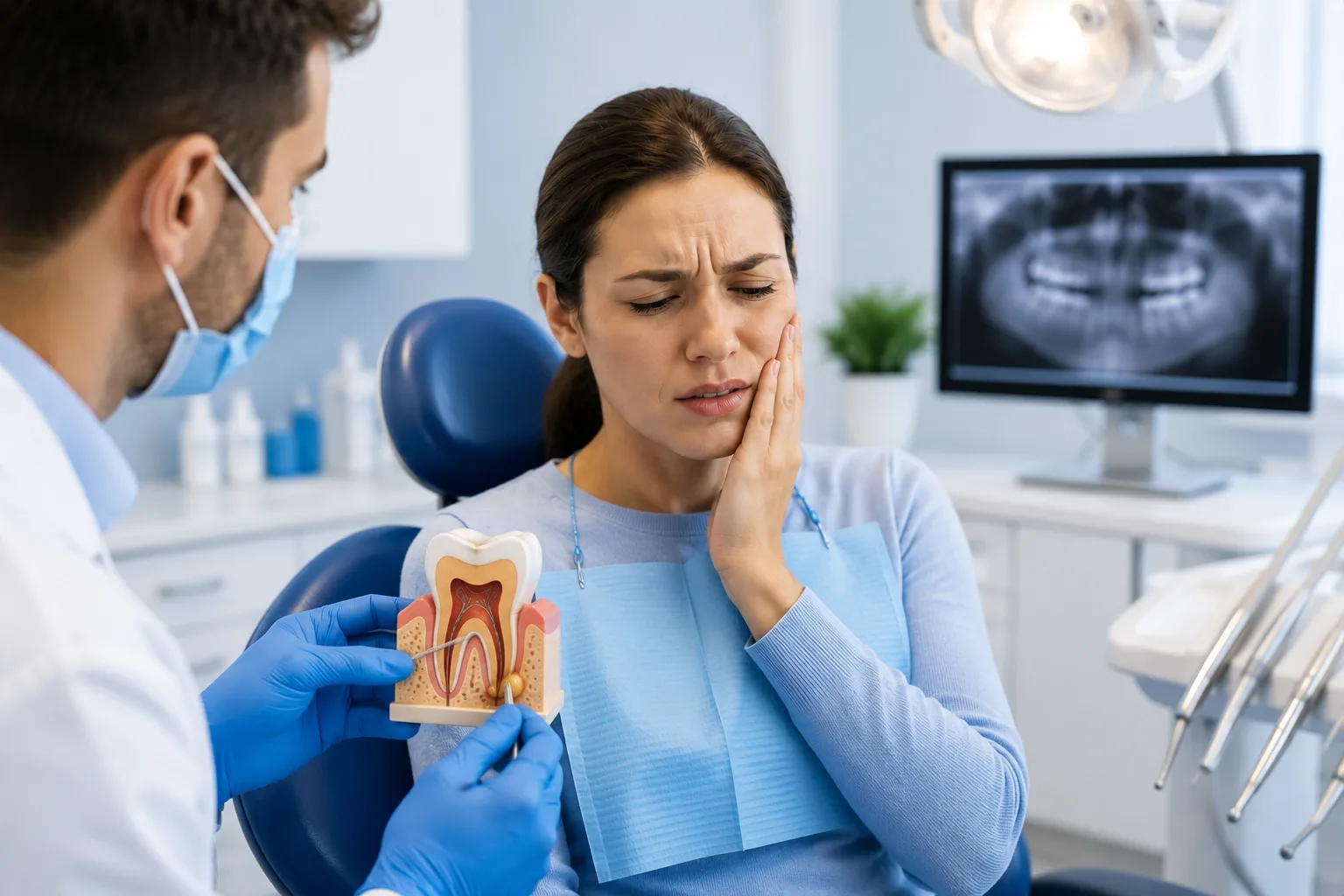
Dental problems can develop suddenly, causing pain, swelling, bleeding, or damage to a tooth. While some issues can wait for a scheduled dental appointment, others require prompt attention to prevent complications. Understanding the difference can help people respond appropriately when an unexpected dental problem occurs.
A dental emergency may result from an accident, an untreated cavity, an infection, or damage to existing dental work. The severity of symptoms can vary, so it is important to recognise warning signs and avoid delaying care when a problem could worsen.
What Is Considered a Dental Emergency?
A dental emergency is a problem affecting the teeth, gums, or surrounding oral tissues that needs urgent assessment or treatment. Some emergencies involve severe pain, while others may initially cause little discomfort but still pose a risk to oral health.
Common examples include a knocked-out tooth, a cracked or fractured tooth, significant swelling, uncontrolled oral bleeding, and signs of a dental infection. A loose or displaced permanent tooth following an injury also requires prompt evaluation.
Not every dental concern needs same-day treatment. Mild sensitivity or a small chip without pain may be less urgent, depending on the circumstances. However, new or worsening symptoms should not be ignored simply because the discomfort seems manageable.
Severe or Persistent Toothache
A toothache can develop for several reasons, including tooth decay, a damaged filling, a cracked tooth, gum disease, or inflammation inside the tooth. Temporary sensitivity may occur after consuming hot, cold, or sweet foods, but persistent or intense pain deserves professional assessment.
Pain that interferes with eating, sleeping, or normal daily activities may indicate a problem that requires urgent attention. If discomfort becomes severe, develops suddenly, or is accompanied by swelling or fever, it is especially important to seek prompt dental care.
Until an appointment is available, gently rinsing the mouth with warm water may help keep the area clean. Flossing carefully can remove food trapped between teeth, but sharp objects should never be used to probe a painful area. Aspirin or other medication should not be placed directly against the tooth or gums because this can damage the tissues.
Pain relief may temporarily reduce discomfort, but it does not address the underlying cause. A dental examination is needed to determine whether treatment such as a filling, root canal treatment, or extraction is appropriate.
Knocked-Out or Displaced Teeth
A permanent tooth knocked out during a fall, sports injury, or accident is one of the most time-sensitive dental emergencies. Getting professional help immediately can improve the chance of saving the tooth.
If a permanent tooth has been completely knocked out, pick it up by the crown, which is the visible chewing surface. Avoid touching or scrubbing the root. If the tooth is dirty, rinse it gently with milk or saline, or briefly with clean water if neither is available. Do not scrape it or use disinfectants.
If possible, and only if it can be done easily without force, place the tooth back into its socket. Otherwise, keep it moist in milk or an appropriate tooth-preservation solution and seek emergency dental care immediately. Do not store it dry or wrap it in tissue.
A knocked-out baby tooth should not be placed back into the socket because doing so can damage the developing permanent tooth underneath. A dentist should still assess the injury.
A tooth that has been pushed out of position or become loose after an impact also needs urgent evaluation. Avoid repeatedly touching or moving it while arranging care.
Cracked, Broken, or Chipped Teeth
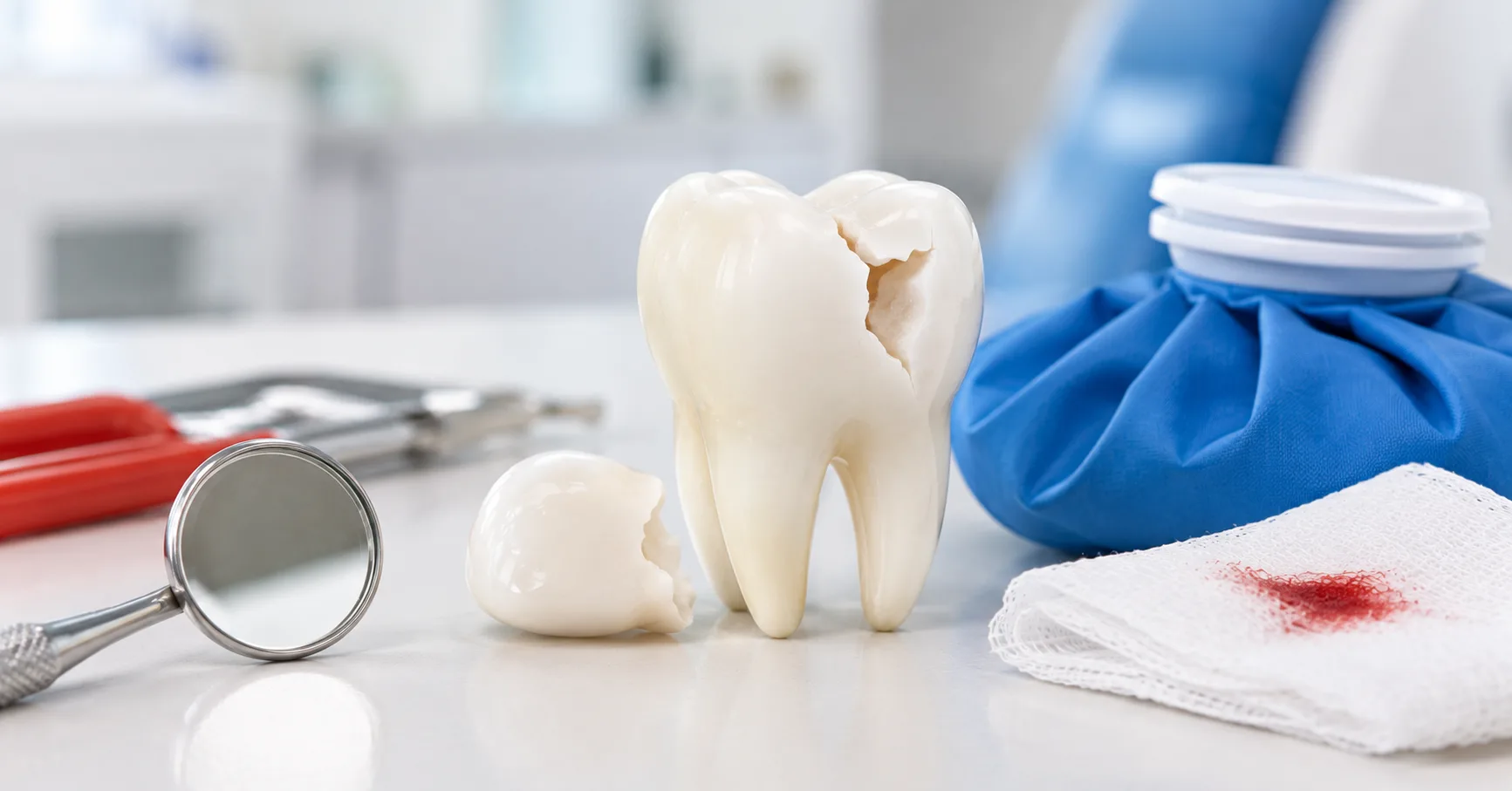
A tooth can crack or break after biting something hard, falling, receiving a blow to the face, or experiencing weakening from decay. The urgency depends on the size of the fracture, whether the inner part of the tooth is exposed, and whether pain or bleeding is present.
A small chip without pain may not require immediate emergency treatment, but it should still be examined to prevent further damage. A larger fracture, sharp broken edge, significant pain, or visible pink or red tissue inside the tooth calls for prompt attention.
If a tooth breaks, rinse the mouth gently with warm water. If swelling develops, a cold compress applied to the outside of the cheek may help reduce it. Save any broken fragments in a clean container and bring them to the appointment if possible.
Avoid chewing on the affected side and stay away from very hard, hot, or cold foods if they trigger discomfort. Do not attempt to glue a broken piece back onto the tooth with household adhesives. A dentist can determine whether the tooth needs bonding, a crown, or another form of treatment.
Dental Abscesses and Signs of Infection
A dental abscess is a pocket of pus caused by a bacterial infection. It can develop around a tooth root or within the gums and may occur when decay, a crack, or gum disease allows bacteria to spread into surrounding tissues.
Possible signs include throbbing tooth pain, swollen gums, facial swelling, tenderness when biting, a bad taste in the mouth, and fever. Some infections cause noticeable swelling even when tooth pain is limited.
A suspected dental abscess requires urgent professional care because the infection will not reliably resolve on its own. Treatment may involve draining the infection, treating the affected tooth, or removing it when necessary. Antibiotics may be prescribed in certain situations, but they do not replace treatment of the source of the infection.
Facial or neck swelling accompanied by difficulty breathing or swallowing is a medical emergency. Seek emergency medical assistance immediately rather than waiting for a routine dental appointment. Rapidly spreading swelling, swelling around the eye, or feeling severely unwell also warrants urgent assessment.
Do not try to puncture or drain an abscess at home. This can injure oral tissues and allow the infection to spread.
Bleeding After a Dental Injury
Bleeding can occur after an injury to the mouth, damage to the gums, or a tooth extraction. Although minor bleeding may stop with simple first aid, persistent or heavy bleeding needs professional attention.
For bleeding from an injured area of the mouth, apply gentle, steady pressure using clean gauze if it is safe to do so. Avoid repeatedly removing the gauze to check whether the bleeding has stopped, as this can disrupt clot formation.
After a tooth extraction, follow the dentist's instructions for controlling bleeding. If bleeding remains heavy, continues despite firm pressure, or is accompanied by dizziness or weakness, seek urgent care. People taking blood-thinning medication should be particularly cautious and should not stop prescribed medication without medical advice.
Bleeding following a serious facial injury may involve more than the teeth or gums. Significant trauma, deep wounds, or bleeding that cannot be controlled may require emergency medical assessment.
Lost Fillings, Crowns, and Other Dental Restorations
A filling or crown can come loose while eating, brushing, or biting into something hard. The exposed tooth may become sensitive, and the remaining structure may be vulnerable to further damage.
A lost restoration is not always a medical emergency, but it should be assessed promptly, especially when there is significant pain, a sharp edge, or a large area of exposed tooth. A broken restoration can sometimes indicate that the underlying tooth has fractured or developed decay.
Keep the area clean and avoid chewing hard foods on that side. If a crown comes off, save it and bring it to the dental appointment. Do not use household glue to reattach it. Temporary dental repair products may be available from pharmacies, but they should only be used according to their instructions and should not delay professional care.
If the exposed tooth causes severe pain or the restoration was lost after an injury, contact a dentist for urgent advice.
Soft Tissue Injuries Inside the Mouth
Cuts to the lips, tongue, cheeks, or gums can occur from falls, sports injuries, sharp food, or broken teeth. Small injuries may heal without extensive treatment, but deeper wounds can require medical or dental care.
Rinse gently with clean water and apply light pressure with clean gauze when appropriate. A cold compress on the outside of the mouth may help reduce swelling.
Seek prompt assessment for deep cuts, wounds with edges that gape open, injuries involving a broken tooth, or bleeding that does not stop with steady pressure. Serious facial trauma may also involve damage to the jaw or other structures.
If an injury is associated with loss of consciousness, difficulty breathing, suspected jaw fracture, or significant head trauma, seek emergency medical assistance.
What to Do While Waiting for Emergency Dental Care
Taking sensible steps before an appointment can help protect the affected area and reduce the risk of additional damage.
- Keep the area clean: Rinse gently with warm water when appropriate and avoid aggressive brushing around an injury.
- Reduce swelling: Apply a cold compress to the outside of the cheek for short intervals.
- Choose soft foods: Avoid hard, sticky, or crunchy foods that could worsen a fracture or disturb a loose restoration.
- Manage discomfort safely: Use over-the-counter pain relief only as directed on the label and if it is suitable for you.
- Avoid home remedies that can cause harm: Do not place aspirin directly on the gums, use household adhesives, or attempt to drain an infection.
- Contact a dental professional: Explain the symptoms, when they started, and whether an injury or swelling is involved so the urgency can be assessed.
These measures are temporary. They should not replace an examination when symptoms indicate a possible emergency.
When to Seek Emergency Dental Care
The timing of treatment depends on the problem. A knocked-out permanent tooth requires immediate action, while an abscess, severe toothache, or significant fracture should be assessed urgently. Minor chips and lost restorations without pain may allow a less immediate appointment, but professional advice is still important.
When deciding what to do, consider the intensity of the pain, whether symptoms are getting worse, the amount of swelling or bleeding, and whether an injury has affected a permanent tooth. If there is uncertainty about how quickly a problem needs attention, contacting a dental professional is safer than waiting for symptoms to progress.
People experiencing dental pain or sudden damage can learn more about available options for emergency dental care and seek guidance on the appropriate next step.
Preventing Common Dental Emergencies
Not every dental emergency can be prevented, but consistent oral care and practical precautions can reduce some risks.
Brush twice daily with fluoride toothpaste and clean between the teeth every day. Routine dental examinations can help identify cavities, weakened restorations, and other problems before they become more serious. Addressing a small crack or damaged filling early may reduce the chance of sudden pain or further breakage.
People who participate in contact sports should use a properly fitted mouthguard. Avoid chewing ice, hard sweets, or other objects that can fracture teeth, and do not use teeth to open packaging. Those who grind their teeth may benefit from discussing protective options with a dental professional.
It is also useful to know where to seek help before an emergency occurs. Keeping dental contact information accessible and understanding the signs of infection or significant injury can make it easier to act quickly when unexpected symptoms arise.
Conclusion
Dental emergencies range from painful toothaches and broken teeth to serious infections and knocked-out permanent teeth. Recognising the warning signs and responding quickly can protect oral health and reduce the risk of complications.
When symptoms are severe, swelling is spreading, bleeding will not stop, or a permanent tooth has been knocked out, prompt care is essential. For potentially life-threatening symptoms such as difficulty breathing or swallowing, emergency medical assistance should take priority. Early assessment and appropriate treatment offer the best opportunity to manage dental problems before they become more complicated.