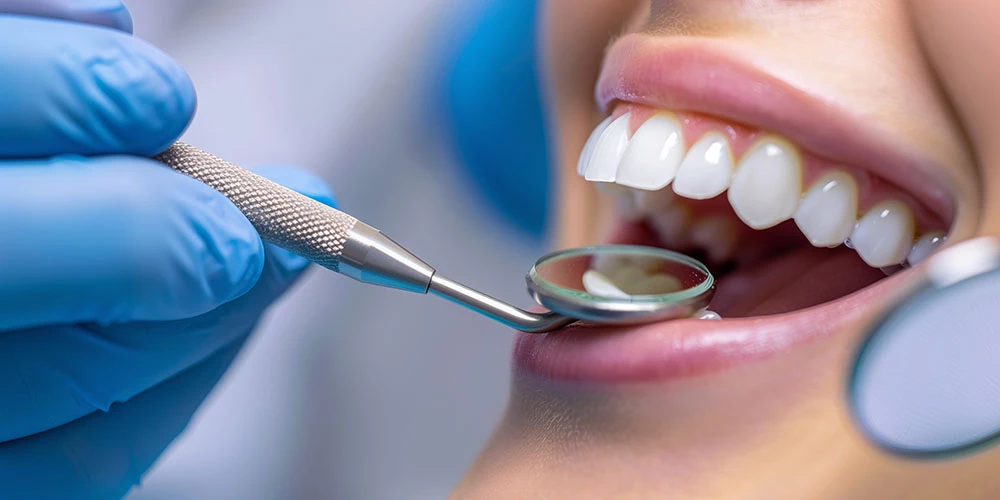
Dental emergencies can be unexpected, painful, and stressful. From sudden toothaches to accidents causing broken teeth, knowing how to respond quickly can make a significant difference in your comfort, oral health, and even the long-term outcome of your teeth. Understanding when to seek professional help, what steps to take immediately, and how to prevent such situations is crucial for everyone.
What Qualifies as a Dental Emergency?
Not every toothache or oral discomfort qualifies as a true dental emergency, but certain situations require immediate attention. Common dental emergencies include:
- Severe Tooth Pain: Pain that is persistent, throbbing, or unbearable, often signaling decay, infection, or nerve damage.
- Knocked-Out Tooth: If a tooth is completely dislodged due to trauma or an accident, timely professional care can sometimes save it.
- Cracked or Broken Teeth: Even minor fractures can worsen if not treated, potentially leading to infection or tooth loss.
- Abscesses and Swelling: Signs of infection, such as pus, swelling, and fever, require urgent attention to prevent serious complications.
- Bleeding Gums or Oral Injuries: Heavy bleeding, lacerations, or injuries inside the mouth need prompt assessment.
Recognizing these emergencies early can help prevent further complications and reduce pain effectively.
Immediate Steps for Managing Dental Emergencies
When faced with a dental crisis, acting promptly can preserve teeth and reduce discomfort. Here are some immediate steps to take:
- Control Bleeding: Use a clean cloth or gauze to apply gentle pressure to any bleeding area.
- Relieve Pain: Over-the-counter painkillers like ibuprofen can help manage pain, but avoid placing aspirin directly on gums as it may cause irritation.
- Preserve a Knocked-Out Tooth: If a tooth is knocked out, rinse it gently without scrubbing and store it in milk or saline solution before reaching a dentist.
- Reduce Swelling: Apply a cold compress to the outside of the cheek near the injured area to minimize swelling.
- Avoid Self-Treatment: Refrain from attempting to fix broken or loose teeth yourself, as improper handling can cause more harm.
Finding Professional Care: The Role of 牙醫急症
When a dental problem escalates beyond what can be handled at home, it’s essential to contact a professional dentist. In many regions, dental clinics offer specialized services known as 牙醫急症 to address urgent dental issues. These services are designed to provide rapid relief, stabilize the problem, and prevent further complications.
Visiting a clinic equipped for 牙醫急症 ensures that:
- Teeth affected by trauma are treated promptly.
- Infections are addressed with proper antibiotics and care.
- Pain management is initiated effectively.
- Long-term treatment plans are outlined to prevent recurrence.
Having the contact information of a nearby emergency dentist can save critical time during an unexpected dental crisis.
Preventing Dental Emergencies
While not all dental emergencies can be avoided, many can be prevented with proper oral care and caution. Key prevention tips include:
- Maintain Oral Hygiene: Brush at least twice a day, floss regularly, and use fluoride toothpaste to reduce the risk of decay.
- Regular Check-Ups: Visiting your dentist for routine cleanings and examinations can detect problems early.
- Protect Teeth During Activities: Wear mouthguards during sports or high-risk activities.
- Avoid Hard Foods: Chewing hard candies, ice, or non-food objects can fracture teeth.
- Monitor Health Conditions: Conditions like diabetes can increase the risk of dental complications if left unmanaged.
By taking preventive measures, you can reduce the likelihood of experiencing sudden, severe dental issues.
Conclusion
Dental emergencies can be frightening, but knowing how to respond can significantly improve outcomes. Recognizing urgent signs, taking immediate action, and contacting specialized professionals like those offering 牙醫急症 services can prevent pain from worsening and safeguard your oral health. Coupled with preventive care and regular dental visits, you can minimize risks and maintain a healthy, confident smile.
Being prepared, informed, and proactive is the key to handling dental emergencies effectively. Keep emergency contacts handy, follow good oral hygiene, and seek professional care whenever necessary to ensure your teeth remain strong and healthy.