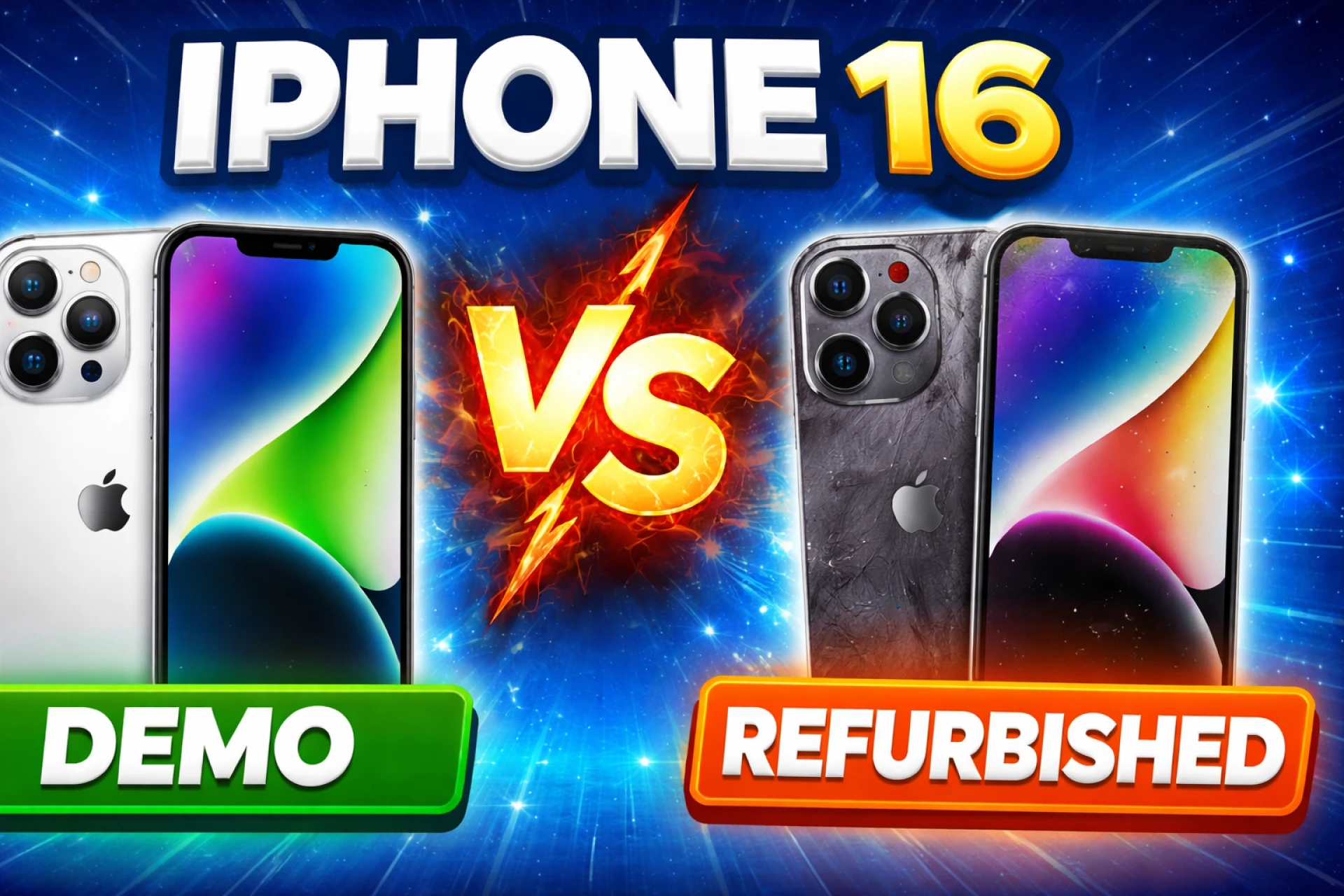
In an era where flagship smartphone prices consistently push toward the thousand-dollar mark, consumers are increasingly looking for ways to stay updated without breaking the bank. This has led to a massive surge in the secondary market, specifically focusing on two categories: demo units and refurbished gadgets. While both offer a significant discount compared to a brand-new, factory-sealed box, they come with different histories, risks, and benefits.
The central question for most shoppers is whether these devices are a "worth buying" thrift option or a "better avoid" headache. To answer this, one must look past the price tag and understand the technical lifecycle of these products. Platforms like EasyPhones have emerged as a bridge in this market, offering curated selections that aim to eliminate the guesswork and provide high-quality hardware to value-conscious buyers.
What Exactly Is a Demo Unit?
A demo unit, short for a demonstration model, is a device that was originally sent to a retail store or carrier outlet to be displayed on the floor. These are the phones tethered to security cables that customers touch, swipe, and test before deciding to buy a new one. When a new generation of phones arrives, these display models are pulled from the shelves and sold to liquidators or secondary retailers.
The primary appeal of a demo unit is its physical appearance. Because they are intended to entice customers, they are usually kept in pristine cosmetic condition. However, the "hidden cost" lies in the screen and battery. These devices are often kept at 100% screen brightness for 12 hours a day, which can lead to OLED screen burn-in. Additionally, being constantly plugged into a charger can stress the lithium-ion battery. While you save money upfront, a demo unit hasn't been "restored"; it has simply been cleaned and boxed.
The Professional Standard of Refurbished Gadgets
Refurbished electronics represent a more systematic approach to the secondary market. Unlike a demo unit, which is sold "as-is" after its retail life, a refurbished device has been returned to the manufacturer or a professional refurbisher due to a minor defect, a customer return, or a trade-in program. Once received, the device undergoes a rigorous multi-point diagnostic check.
If a component is found to be underperforming—be it a mushy button, a dimming screen, or a failing speaker—it is replaced with a genuine part. This restoration process essentially resets the clock on the device’s usability. For those looking to jump into the latest tech cycle, opting for a iphone 16 refurbished is often the smartest move. It provides the current-gen user experience, complete with the latest software and hardware features, but at a price point that makes much more financial sense than buying new.
Reliability and Battery Longevity Facts
One of the biggest "better avoid" red flags in the used market is a degraded battery. Since lithium-ion batteries have a finite number of charge cycles, a phone that has been used heavily for a year may only offer 80% of its original capacity. Demo units are particularly vulnerable to this because they are rarely allowed to discharge naturally while on display.
This is where the refurbishment process shines. Reputable vendors like EasyPhones ensure that every device leaving their facility meets a strict battery health threshold. If a battery is nearing the end of its peak performance life, it is replaced with a fresh one. This means that a refurbished gadget is much more likely to last a full day of heavy use compared to a random demo unit found on a clearance shelf. When you buy refurbished, you aren't just buying a used phone; you are buying a device that has been verified for long-term reliability.
The Value Proposition of High-End Pro Models
For power users, the "Worth Buying" argument becomes even stronger when discussing professional-grade hardware. Pro models are built with premium materials like titanium and feature advanced camera systems that remain relevant for several years. However, their high entry price often makes them inaccessible for many.
Choosing an iphone 16 pro refurbished allows a user to access top-tier features like ProMotion displays and advanced telephoto lenses for the price of a standard base model. These devices are often sourced from early adopters who upgrade every six months, meaning the internal components have seen very little actual wear. After being professionally vetted and polished, these Pro models offer a luxury experience that is indistinguishable from new, making them a premier choice for mobile photographers and gamers alike.
Warranty and Consumer Protection in 2026
The biggest risk in the demo vs. refurbished debate is the lack of a safety net. If you buy a demo unit from a liquidator, it may come with a "checked on arrival" guarantee but no long-term protection. If the motherboard fails two months later, the buyer is often left with a very expensive paperweight.
Refurbished products sold through established platforms typically come with a 6-month or 12-month warranty. This turns a "used" purchase into a professional transaction. EasyPhones, for example, provides a warranty that covers functional defects, giving the buyer the same peace of mind they would get at a flagship retail store. This warranty is what shifts the verdict from "Better Avoid" to "Worth Buying," as it mitigates the inherent risks of buying pre-owned technology.
Navigating the Local Market Dynamics
The secondary market has matured significantly, especially for those looking for a second hand iphone in india. In previous years, buying second-hand involved meeting strangers and hoping the device wasn't blacklisted or water-damaged. Today, the market is highly organized, with transparent grading systems that categorize phones as "Like New," "Excellent," or "Good."
This professionalization has made it easier to find reliable tech at every budget level. By using a trusted platform, you ensure that the device has been legally sourced, the previous user's data has been securely wiped, and the hardware has been tested by an actual technician. This level of scrutiny is rarely applied to demo units sold in bulk clearance sales.
Final Verdict: Which One Should You Choose?
If you are looking for a primary device that needs to last for several years, the refurbished route is the clear winner. The restoration process, battery health checks, and warranty coverage make it a low-risk, high-reward investment. Demo units can be a fun "thrift" find for a secondary device or a child’s first phone, but they carry more invisible wear and tear that can lead to frustration later on.
Ultimately, the smartest way to stay connected in 2026 is to look for devices that have been "born again" through professional refurbishment. By choosing vendors like EasyPhones, you can enjoy the best of modern innovation without the flagship price tag, proving that the right secondary purchase is absolutely worth buying.