
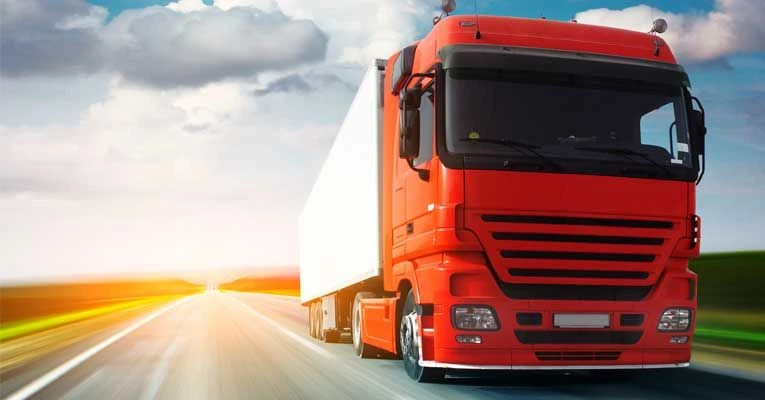
In the growing food and beverage industry, maintaining freshness from origin to outlet is critical. Businesses operating in the cold chain sector, particularly those involved in dairy, frozen goods, and pharmaceuticals, require transport solutions that offer reliability, temperature control, and robust performance. Choosing the right vehicle can directly impact delivery timelines, product integrity, and long-term operational costs:
Built to handle temperature-sensitive cargo
The success of any cold chain operation lies in maintaining consistent temperatures throughout the delivery cycle. This requires specialised insulated containers, strong compressor systems, and efficient power management. Compact transport vehicles are now equipped to handle these demands while still offering fuel efficiency and easy manoeuvrability.
For businesses navigating tight urban roads or long intercity routes, small pickup trucks with insulated reefer boxes provide the flexibility to manage last-mile deliveries without compromising load stability. Their compact size allows them to enter narrow streets and dense market areas, a crucial advantage for timely distribution.
Durability for daily demands
Cold chain logistics often involve frequent starts and stop, high daily mileage, and varied terrains. This places additional stress on the vehicle’s engine, suspension, and body. Commercial vehicles designed with reinforced steel frames, corrosion-resistant components, and high ground clearance are better suited for such intensive operations.
Advanced suspension systems and durable tyres ensure the vehicle maintains balance and control, even when fully loaded. These design choices support consistent delivery schedules and minimise vehicle downtime, critical factors in maintaining cold chain efficiency.
Smart storage and secure loading
Efficient cargo storage is not just about volume, but also about structure. Refrigerated pickup truck beds are engineered to offer evenly distributed cooling, ensuring all items remain within required temperature ranges. Features such as multi-layered insulation, separate compartments, and digital temperature controls enable businesses to transport multiple product types in a single run.
Added conveniences such as side doors for quicker unloading, anti-slip flooring, and secure tie-down points are designed to reduce handling time and prevent spoilage or damage during transit. Businesses can also benefit from tailgate designs that simplify loading at delivery points, eliminating the need for complex docking stations and providing peace of mind regarding the safety of their products.
Lower costs, higher efficiency
Fuel economy remains a top concern in cold chain logistics. Vehicles built with lightweight materials, refined aerodynamics, and efficient engines allow for lower fuel consumption, a key cost-saving feature for businesses operating large or growing fleets. Additionally, lower maintenance requirements and access to after-sales support contribute to long-term savings, providing a sense of financial security.
Businesses in the food and healthcare supply chain are increasingly turning to vehicles that offer performance without excess bulk, enabling them to respond quickly to customer needs while maintaining the integrity of perishables.
Conclusion
With increasing consumer demand for fast, fresh, and reliable deliveries, it is more important than ever for cold chain businesses to invest in the right transport solution. A well-equipped, compact, and durable vehicle can make all the difference in keeping product quality and improving operational efficiency, empowering businesses to take control of their operations.