
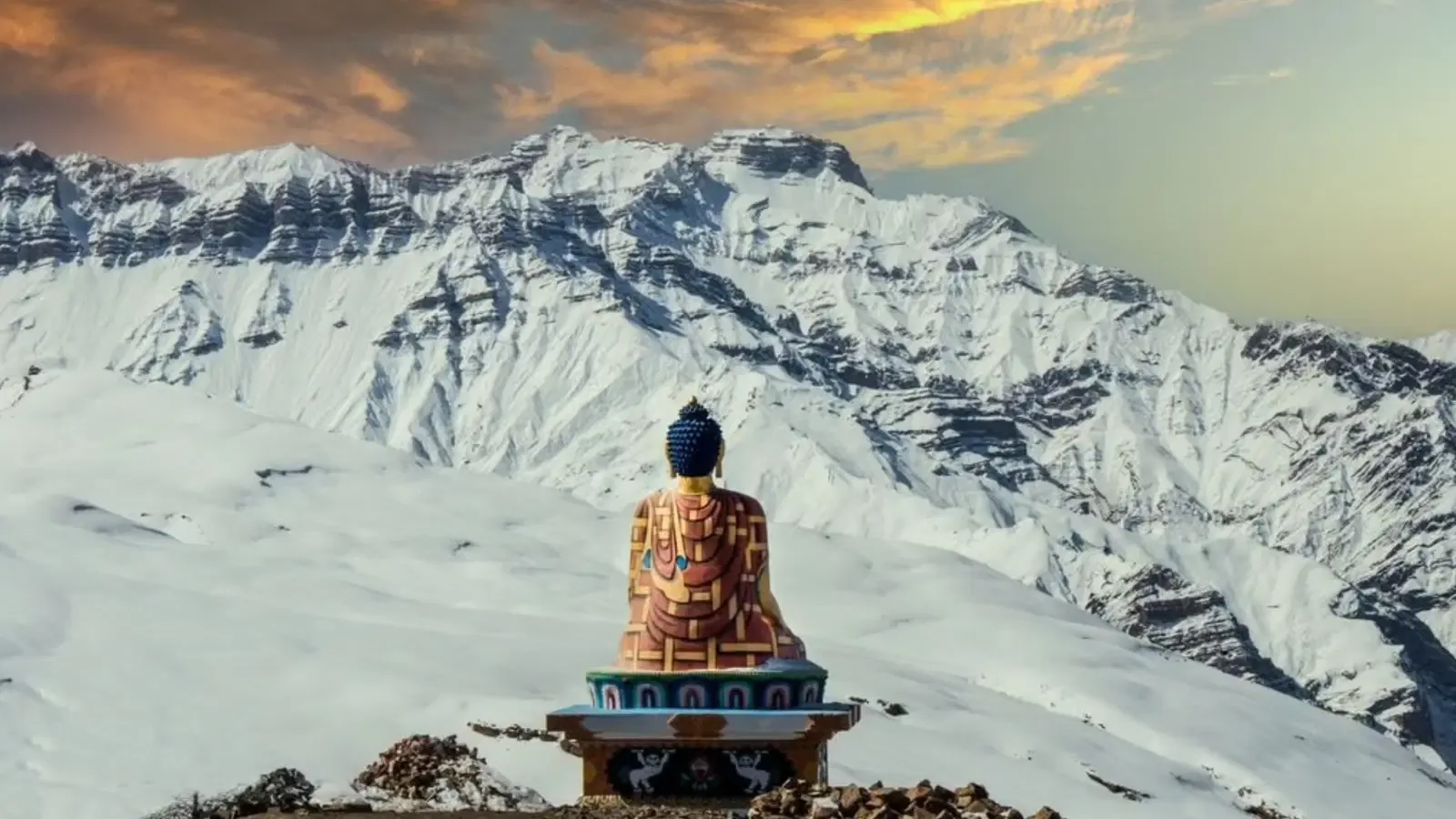
For travelers based in Delhi, few road trips offer quite the same sense of transformation as the drive to Spiti Valley. What starts as a familiar highway stretch slowly gives way to switchbacks, high mountain passes, and a landscape that feels almost otherworldly by the time you reach the valley floor.
Why This Route Has Become So Popular?
Spiti's appeal lies in its stark contrast to the greener hill stations most Delhi travelers are used to visiting. The barren peaks, ancient monasteries, and remote villages create an experience that feels far removed from the usual weekend getaway, drawing travelers who want something more immersive and less crowded.
Two Routes, Two Different Journeys
Travelers heading out from Delhi generally choose between the Shimla-Kinnaur route or the Manali route, and the choice matters more than it might seem. Kinnaur offers a longer, more gradual climb that eases the body into higher altitudes, while Manali provides a shorter but steeper approach that suits travelers comfortable with quicker elevation changes.
Timing the Trip Around the Seasons
Spiti opens up to travelers from around late May through early October, with the winter months making the region largely inaccessible due to heavy snowfall. Early autumn tends to be a favorite window, offering clear skies and noticeably fewer crowds compared to the peak summer months.
What Travel Arrangements Typically Cover?
A well-structured package usually includes transportation for the full route, accommodation in guesthouses or homestays, and meals for at least part of the journey. Since lodging options become sparse the further into the valley you travel, having these details arranged ahead of time removes a significant source of last-minute stress.
Respecting the Altitude
High-altitude points like Kaza sit at elevations where altitude sickness becomes a real possibility, regardless of prior trekking experience. Pacing the journey, staying hydrated, and allowing the body time to adjust are simple habits that make a meaningful difference to how the trip feels day to day.
Stops Worth Building Into the Itinerary
Along the way, most travelers stop at the centuries-old Key Monastery, the dramatic suspension bridge at Chicham, and the remote fossil village of Langza. Villages like Komic and Hikkim, both known for being among the highest motorable settlements in the world, are worth adding for travelers with a bit of extra time.
Preparing for Unpredictable Mountain Roads
Road conditions across this stretch can shift quickly, particularly after monsoon rains when landslides become more common. Staying updated on real-time conditions and keeping the itinerary flexible helps travelers absorb these delays without derailing the overall trip.
Why a Package Often Makes the Journey Easier?
Given the remoteness of the region and the limited infrastructure along several stretches, many travelers still prefer booking delhi to spiti valley tour packages instead of coordinating each element independently. This tends to ease the pressure of navigating unfamiliar roads with limited local support along the way.
Support Across the Entire Route
MusafirBaba helps travelers plan this journey end to end, managing logistics, accommodation, and route coordination for a smoother overall experience through this remote stretch of the Himalayas.
Packing for the Terrain
Given the sharp temperature drop after sunset, warm layers, sturdy footwear, and basic altitude sickness medication are essential. A physical map is a smart backup as well, since mobile network coverage remains unreliable across large portions of the route, and sun protection matters more than expected at these elevations.
Final Thoughts
A road trip from Delhi to Spiti Valley offers a rare mix of adventure and stillness that few other journeys in India can match. With careful timing, a realistic route plan, and preparation for the altitude, this trip becomes an unforgettable exploration of one of the country's most remote and striking landscapes.