
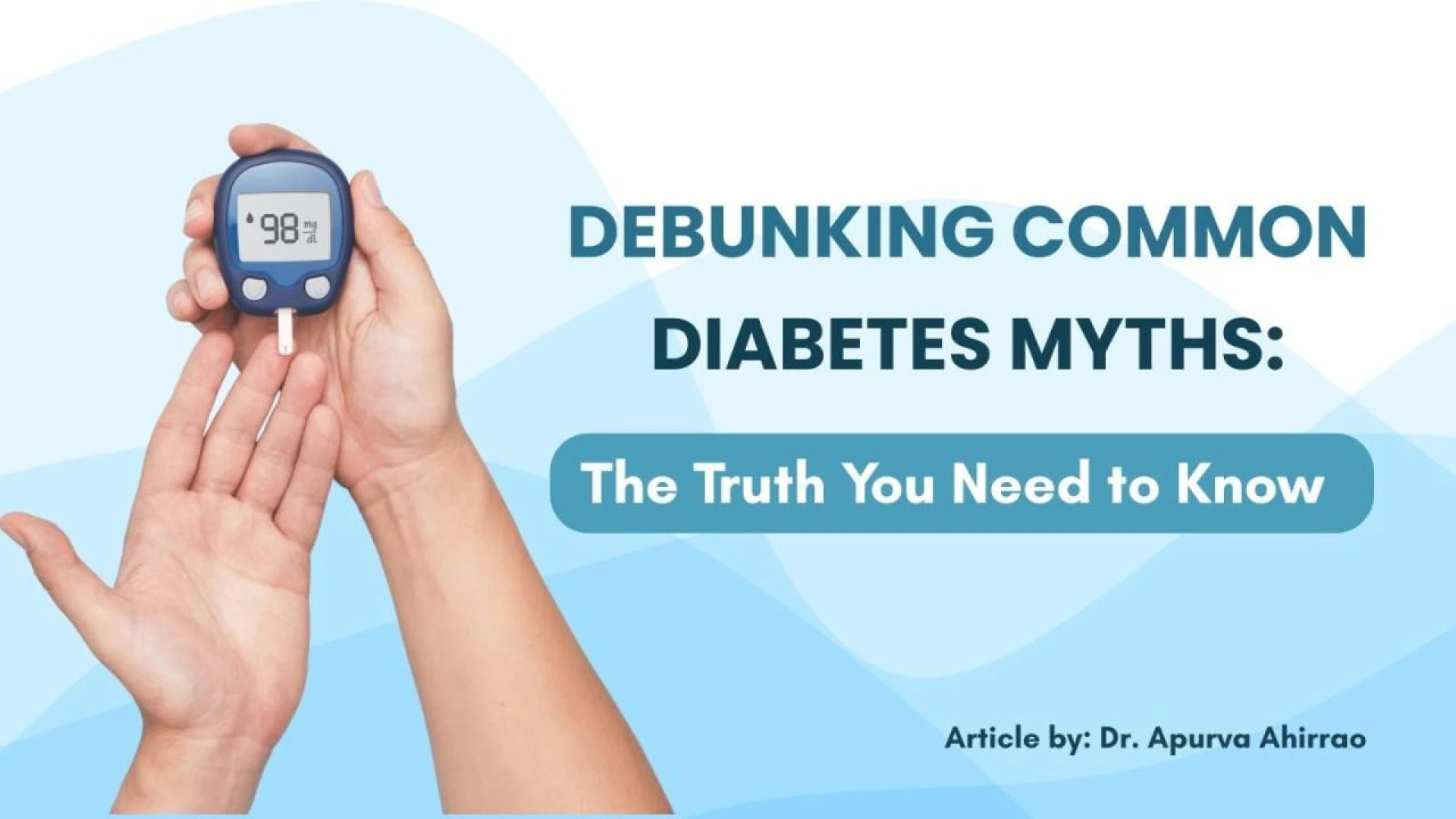
Myths about diabetes are everywhere, passed down through generations, reinforced by well-meaning but misinformed advice, and sometimes even perpetuated by outdated medical practices. These misconceptions don't just confuse people; they actively prevent them from taking the right steps toward healing. In this article, we will tackle the most pervasive diabetes myths and replace them with evidence-based truths that can transform your approach to this condition.
Myth #1: Sugar and Carbohydrates Cause Diabetes
Yes, elevated blood sugar is a symptom of diabetes, but correlation is not causation. Your blood sugar naturally rises after you eat that's exactly what's supposed to happen. It's a normal physiological response. The problem in diabetes isn't the sugar you eat; it's your body's inability to process it properly due to insulin resistance.
As we discussed in Article 1, the real culprit is intracellular fat accumulation, which prevents insulin from doing its job. Simply removing sugar and carbohydrates from your diet without addressing the underlying insulin resistance is like mopping the floor while the faucet is still running. You might see temporary improvements in blood sugar readings, but you haven't fixed the problem.
The Bottom Line: Focus on improving insulin sensitivity and reducing intracellular fat, not just eliminating carbohydrates.
Myth #2: Diabetes Is Genetic....If It Runs in My Family, I am Doomed
The Truth: Genetics load the gun, but lifestyle pulls the trigger.
Yes, having family members with diabetes increases your susceptibility. Certain genetic factors may make you more prone to insulin resistance or metabolic dysfunction. But susceptibility is not the same as inevitability.
Consider this: if diabetes were purely genetic, identical twins would always both develop the condition. Yet studies show that when one twin has Type 2 diabetes, the other twin develops it only about 70% of the time. That 30% difference? It's lifestyle, environment, diet, stress management, physical activity, and other modifiable factors.
Furthermore, the dramatic rise in diabetes prevalence over the past few decades cannot be explained by genetics. Our genes haven't changed that rapidly but our diets, activity levels, stress, and environmental exposures certainly have.
The Bottom Line: You can alter your risk dramatically through lifestyle choices, regardless of family history.
Myth #3: Once You Have Diabetes, You'll Always Have It
The Truth: Type 2 diabetes can be reversed, and 'reversal' means achieving normal blood sugar levels without medication.
This myth is perhaps the most damaging because it robs people of hope. When you believe diabetes is a permanent, progressive condition, you resign yourself to lifelong medication, worsening health, and eventual complications. This fatalistic mindset becomes a self-fulfilling prophecy.
The truth is that Type 2 diabetes is fundamentally a metabolic disorder driven by lifestyle factors. When you address the root causes reducing intracellular fat, improving insulin sensitivity, balancing hormones, increasing physical activity, and optimizing nutrition your body can heal.
Countless individuals have achieved normal HbA1c levels and fasting glucose without medication. This isn't 'remission' where the disease is dormant but could return. This is genuine metabolic restoration where the body regains its ability to regulate blood sugar naturally.
The Bottom Line: Diabetes reversal is not only possible but achievable with the right approach.
Myth #4: Medications Are the Only Way to Control Diabetes
The Truth: Medications can help manage symptoms, but they don't address the underlying causes of diabetes.
When you're diagnosed with diabetes, the standard protocol is immediate medication metformin, insulin, or other drugs to lower blood sugar. These medications do their job: they bring down elevated glucose levels. But here's what they don't do: they don't improve insulin sensitivity, they don't reduce intracellular fat, and they don't address hormonal imbalances or systemic inflammation.
In fact, many diabetes medications have side effects that worsen overall health. Weight gain is common with insulin and some oral medications, which further exacerbates insulin resistance. Some medications stress the kidneys or liver, and many patients find themselves on an ever-increasing roster of drugs as their condition 'progresses.'
Medication should be viewed as a temporary bridge, not a permanent solution. The real solution lies in comprehensive lifestyle intervention that restores metabolic function.
The Bottom Line: Medications manage symptoms; lifestyle changes address causes. Both may be necessary initially, but the goal should be metabolic restoration, not lifelong medication dependence.
Myth #5: You Can't Eat Fruit If You Have Diabetes
The Truth: Whole fruits, despite containing natural sugars, are actually beneficial for people with diabetes.
This myth stems from the oversimplified idea that 'sugar is bad, therefore fruits are bad.' But the way your body processes the sugar in an apple is vastly different from how it processes the sugar in a candy bar.
Whole fruits contain fiber, which slows glucose absorption and prevents blood sugar spikes. The fiber acts like a time-release mechanism, delivering natural sugars gradually into your bloodstream. Additionally, fruits are packed with vitamins, minerals, antioxidants, and phytonutrients that support overall metabolic health.
Even naturally sweet fruits like dates and raisins, when consumed whole, don't cause dramatic spikes in blood sugar precisely because of their fiber content. The problem isn't fruit it's fruit juice, where the fiber has been removed and you're left with concentrated sugar.
The Bottom Line: Whole fruits are healthy and should be part of a diabetes-friendly diet. Avoid fruit juices and focus on fiber-rich whole foods.
Myth #6: Only Overweight People Get Type 2 Diabetes
The Truth: Thin people can and do develop Type 2 diabetes.
While obesity is a significant risk factor for diabetes, it's not the whole story. Intracellular fat accumulation the primary driver of insulin resistance can occur in lean individuals. You can have a normal BMI, appear fit, and still have excess fat stored inside your muscle cells.
This phenomenon is sometimes called 'metabolically obese, normal weight' or 'thin outside, fat inside' (TOFI). These individuals may have visceral fat surrounding organs or intracellular fat that doesn't manifest as visible body fat. They face the same insulin resistance issues as overweight individuals but may be less likely to recognize their risk.
The Bottom Line: Diabetes risk is about metabolic health, not just body weight. Even thin people should focus on insulin sensitivity and cellular health.
Myth #7: Exercise Will Make My Blood Sugar Too Low
The Truth: Exercise is one of the most powerful tools for improving insulin sensitivity and controlling blood sugar.
Some people with diabetes fear exercise because they've been told it can cause hypoglycemia (dangerously low blood sugar). While this can happen in certain circumstances particularly if you're on insulin or certain medications and exercise intensely without proper planning—the solution isn't to avoid exercise. The solution is to exercise smartly.
Regular physical activity:
i. Improves insulin sensitivity immediately and for hours afterward
ii. Helps burn intracellular fat that causes insulin resistance
iii. Reduces blood sugar levels naturally
iv. Supports weight management
v. Reduces cardiovascular risk
vi. Improves mood and energy levels
If you're on diabetes medication, work with your healthcare provider to adjust dosages as your exercise routine improves your insulin sensitivity. Monitoring blood sugar before and after exercise helps you understand how your body responds.
The Bottom Line: Exercise is essential for Diabetes reversal... not something to fear.
Myth #8: Diabetes Complications Are Inevitable
The fear of complications neuropathy, retinopathy, kidney disease, cardiovascular disease, amputations haunts everyone diagnosed with diabetes. These complications are real and devastating. But they are not inevitable.
Complications arise from prolonged exposure to high blood sugar levels and the metabolic dysfunction that causes them. When you address the root causes of diabetes and achieve consistent blood sugar control through metabolic restoration (not just medication), you dramatically reduce the risk of complications.
Early intervention is crucial. The sooner you take comprehensive action, the less damage occurs. Even if some complications have begun, improving metabolic health can prevent further deterioration and, in some cases, allow partial healing.
The Bottom Line: Complications are a consequence of unmanaged diabetes, not an unavoidable fate. Proper intervention changes the trajectory entirely.
Myth #9: Natural Remedies and Lifestyle Changes Don't Really Work
There's a pervasive belief that 'real medicine' comes in pill form and everything else is just supplementary or wishful thinking. This couldn't be further from the truth.
Multiple studies have demonstrated that lifestyle interventions combining nutrition optimization, regular exercise, stress management, sleep improvement, and targeted supplementation produce better long-term outcomes than medication alone.
These interventions:
vii. Address root causes rather than symptoms
viii. Have no negative side effects (when done properly)
ix. Improve overall health, not just blood sugar
x. Are sustainable for life
xi. Cost far less than lifelong medication
Functional medicine approaches that combine evidence-based nutrition, bioactive compounds, movement therapy, and metabolic restoration protocols have helped thousands achieve .Diabetes reversal
The Bottom Line: Lifestyle interventions are not 'alternative' medicine they are foundational medicine.
Myth #10: I Feel Fine, So My Diabetes Isn't That Serious
The Truth: Diabetes damages your body silently, often for years before symptoms appear.
Type 2 diabetes is often called a 'silent killer' because it can progress for years without obvious symptoms. You might feel relatively normal while:
xii. High blood sugar damages blood vessels throughout your body
xiii. Nerves begin deteriorating (peripheral neuropathy)
xiv. Kidney function declines
xv. Retinal damage begins affecting vision
xvi. Cardiovascular disease risk escalates
By the time you 'feel bad,' significant damage may have already occurred. This is why proactive management is essential even when you feel fine.
The Bottom Line: Take diabetes seriously from diagnosis, regardless of how you feel. Prevention is far easier than treating complications.
Moving Beyond Myths to Action
These myths are more than just misinformation they're barriers to healing. When you believe diabetes is genetic and irreversible, that medications are your only option, and that complications are inevitable, you become passive in your own healthcare journey.
But when you understand the truth that diabetes is largely driven by modifiable lifestyle factors, that Diabetes reversal is possible, that you have tremendous power over your metabolic health you become an active participant in your healing.
In Article 3, we'll explore specific, actionable lifestyle interventions that work....including exercise protocols, nutritional strategies, and stress management techniques that improve insulin sensitivity and support diabetes reversal.