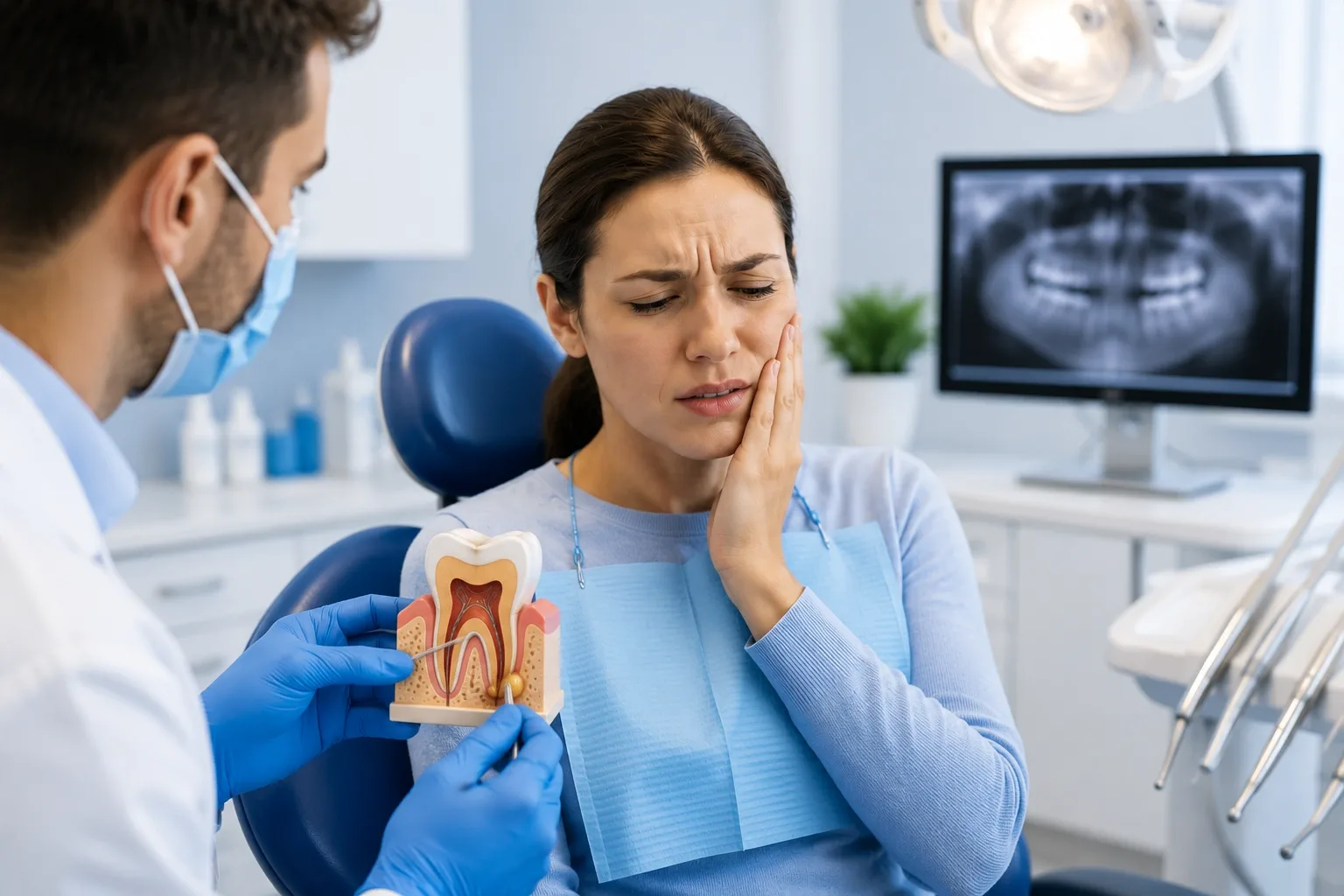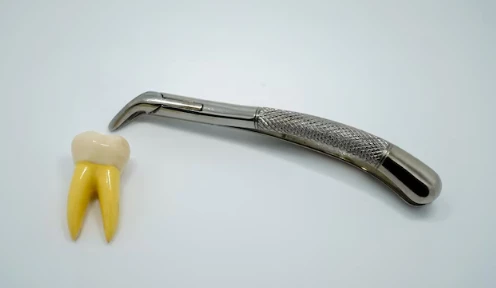
Maintaining good oral hygiene is essential, but not every dental tool is safe to use without professional training. In recent years, the use of a plaque scraper at home has become increasingly popular due to social media trends and DIY dental advice. While these tools may appear harmless, improper use can lead to serious oral health complications that are often overlooked until damage has already occurred.
Understanding the risks associated with at home plaque scraping can help individuals make safer, more informed decisions about their dental care.
What Is a Plaque Scraper?
A plaque scraper also known as a dental scaler is a specialised instrument designed to remove plaque and tartar from tooth surfaces and along the gum line. These tools are primarily intended for use by trained dental professionals who understand tooth anatomy, gum health, and safe instrumentation techniques.
When used incorrectly or without clinical knowledge, plaque scrapers can cause irreversible damage to teeth and gums.

Why Using a Plaque Scraper at Home Is Dangerous
1. Gum Injury and Recession
One of the most common risks of using a plaque scraper at home is accidental gum injury. Excessive pressure or incorrect angles can:
- Cut or tear delicate gum tissue
- Trigger inflammation and bleeding
- Cause gum recession over time
Once gums recede, the exposed tooth roots become more vulnerable to sensitivity, decay, and infection.
2. Permanent Enamel Damage
Tooth enamel is the hardest substance in the human body, but it is not indestructible. Scraping plaque without proper control can scratch or weaken enamel, leading to:
- Increased tooth sensitivity
- Higher risk of cavities
- Discolouration due to surface damage
Unlike other tissues, enamel does not regenerate, making this type of damage permanent.
3. Incomplete Tartar Removal
Plaque that hardens into tartar cannot be safely removed with basic home tools. While surface deposits may appear reduced, harmful bacteria often remain:
- Beneath the gum line
- Between teeth
- Around existing dental work
This false sense of cleanliness can allow gum disease to progress silently.
Hidden Oral Health Risks You May Not Notice
Increased Risk of Infection
Using non-sterilised tools or creating small cuts in the gums can allow bacteria to enter the bloodstream. This is especially risky for individuals with underlying health conditions, as oral infections can spread beyond the mouth.
Worsening Gum Disease
Without professional assessment, early signs of gingivitis or periodontitis often go unnoticed. Home scraping may mask symptoms while inflammation continues to damage gum tissue and bone support.
The Professional Difference in Plaque Removal
Dental professionals are trained to safely remove plaque and tartar using specialised instruments and techniques. A professional dental cleaning provides:
- Thorough plaque and tartar removal
- Protection of enamel and gum tissue
- Early detection of oral health concerns
Clinics such as Bradbury Dental Surgery focus on preventive dental care that prioritises patient safety and long-term oral health.
Safer Alternatives to At Home Plaque Scraping
Instead of using a plaque scraper, evidence based oral hygiene practices are far safer and more effective:
- Brush twice daily with fluoride toothpaste
- Floss once a day to remove plaque between teeth
- Use an electric toothbrush for improved plaque control
- Attend regular dental check-ups and cleanings
These methods support healthy teeth and gums without risking injury.
When Professional Care Is Essential
You should avoid self treatment and seek professional dental care if you notice:
- Bleeding or swollen gums
- Persistent bad breath
- Tooth sensitivity or pain
- Visible tartar buildup
These signs often indicate underlying issues that require professional evaluation rather than DIY solutions.
Long-Term Consequences of DIY Dental Tools
While a plaque scraper may seem like a shortcut to cleaner teeth, the long-term consequences can be significant. Improper use increases the likelihood of:
- Gum recession
- Chronic sensitivity
- Tooth decay
- Advanced periodontal disease
Preventive care and professional guidance remain the safest approach to maintaining oral health.
Final Thoughts
Using a plaque scraper at home may appear convenient, but it carries risks that far outweigh any perceived benefits. From enamel damage to gum injury and infection, improper use can lead to lasting oral health problems.
Maintaining a healthy smile is best achieved through daily hygiene habits combined with regular professional dental care. By choosing safe, evidence based practices, individuals can protect their teeth and gums while avoiding preventable complications.