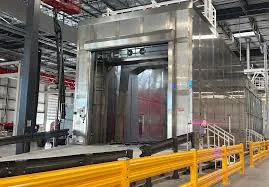
In places where even a tiny amount of dust can cause serious problems, an ordinary door may not be enough. Pharmaceutical laboratories, electronics factories, medical equipment facilities, and food production plants often need carefully controlled environments to protect their products. Every part of the building matters, including the doors people use to enter and leave these areas.
A custom steel cleanroom door is designed to meet the specific requirements of a cleanroom rather than simply fill an opening in a wall. Its dimensions, surface finish, opening method, and other features can be selected to suit the room, the work taking place inside it, and the cleaning procedures used by staff.
Think of a cleanroom as a carefully maintained kitchen where ingredients must remain protected from contamination. Just as a suitable cabinet keeps food safe from unwanted dirt, a properly designed door helps separate a controlled workspace from the surrounding environment.
Understanding how these doors work, what makes them useful, and which features deserve attention can help facility managers make better purchasing decisions.
What Is a Steel Cleanroom Door?
A steel cleanroom door is an entry system intended for spaces where cleanliness, controlled airflow, and reliable operation are important. It typically has a steel outer surface and may include an insulated core, suitable seals, and hardware selected for the environment.
The word custom means the door can be made or configured to suit particular project requirements. For example, a laboratory may need a narrow single door, while a production area may require a wider opening to accommodate equipment carts.
Unlike a standard office door, a cleanroom door must be considered as part of the room's overall contamination control plan. Its design should support cleaning, resist expected wear, and work with the facility's ventilation and pressure arrangements.
Steel is a popular option because it offers strength and can provide a smooth, durable surface. However, the exact performance depends on the steel grade, construction method, protective coating, seals, and quality of installation.
Why Cleanrooms Need Specially Designed Doors
Cleanrooms are built to limit the amount of unwanted material entering a controlled space. This material may include dust, fibres, airborne particles, microorganisms, or residues carried on clothing and equipment.
A door is one of the places where the outside environment meets the cleanroom. Each time someone enters, the opening can affect airflow and create an opportunity for contamination to move between areas.
A carefully selected door helps reduce these risks in several ways.
Supporting Contamination Control
Door surfaces should be easy to inspect and clean. Deep grooves, damaged edges, exposed absorbent materials, and awkward corners can make cleaning difficult. These areas may collect dirt or cleaning residue.
A smooth, well finished surface gives staff fewer places to worry about during routine cleaning. It is similar to choosing a plain kitchen worktop instead of one with many decorative grooves that trap crumbs.
The door alone cannot make a room clean. Staff practices, filtration, clothing rules, cleaning schedules, and other building systems remain essential. The door is one part of a larger protective arrangement.
Helping Maintain Controlled Airflow
Some cleanrooms operate at a higher air pressure than nearby spaces. This can help air move outward when a door opens, reducing the chance that less clean air will enter. Other facilities use different pressure arrangements, depending on the materials and processes involved.
The door assembly must be compatible with the room's pressure requirements. Suitable seals and accurate installation can help limit unwanted air leakage when the door is closed.
It is important to understand that a door does not create the required pressure by itself. The ventilation system establishes the pressure difference, while the door and its surrounding frame help the room maintain the intended conditions.
Making Cleaning More Practical
Cleanrooms may be cleaned frequently with approved detergents, disinfectants, or other cleaning products. The door finish must be suitable for the chemicals and cleaning methods used at the site.
A finish that performs well in one facility may not be the best choice for another. Before selecting a door, buyers should confirm that the surface coating, seals, handles, and other exposed components can tolerate the actual cleaning routine.
Why Steel Is a Practical Material
Steel is used in many commercial and industrial building products because it can provide a strong structure without requiring a bulky design. When manufactured and protected appropriately, it can withstand regular use in busy facilities.
Strength for Everyday Operations
A cleanroom door may be opened dozens or hundreds of times during a working day. Employees may move trolleys through it, transport supplies, or handle equipment close to the door frame.
A suitable steel construction can stand up to these demands better than some materials that dent or wear more easily. The door must still be selected for the expected level of traffic, and its edges, hinges, and frame need proper protection.
A Surface That Can Be Maintained
Steel doors can be finished to provide smooth surfaces that are practical to wipe down. The quality of the finish matters because scratches, peeling coatings, and corrosion can complicate maintenance.
Not all steel doors have the same resistance to moisture or chemicals. Some use protective paint or powder coatings, while others may use stainless steel or a different surface treatment. The appropriate choice depends on the room's conditions and cleaning requirements.
A Long Service Life With Proper Care
A door's lifespan depends on more than the material. Manufacturing quality, installation, frequency of use, impact damage, cleaning practices, and maintenance all play a role.
A well specified door that is inspected regularly may remain useful for many years. By contrast, a poorly fitted door can develop problems even if its main panel is made from a strong material.
The Value of Custom Design
No two cleanroom projects are exactly alike. A small testing laboratory has different needs from a large manufacturing plant. Customisation allows the door to fit the opening and the activities taking place around it.
Accurate Dimensions
The door must fit the available wall opening without leaving unsuitable gaps or interfering with nearby equipment. Measurements should account for the frame, finished floor level, wall construction, and any required clearance.
For instance, a facility that moves large containers may need a wider opening than a room used mainly for staff access. Getting the dimensions right can reduce installation difficulties and make everyday movement easier.
Choosing the Right Opening Style
A single hinged door may work well for a small laboratory entrance. A wider double door may be more appropriate when large items need to pass through. Sliding arrangements can be useful where the available floor space makes a swinging door inconvenient.
The choice should reflect traffic patterns, available space, cleaning needs, and the cleanroom's operating procedures. Where doors connect areas with different pressure conditions, the opening arrangement should also be reviewed by the building design team.
Selecting Suitable Hardware
Handles, hinges, locks, closers, and access control devices affect both usability and maintenance. Hardware should be durable, easy to clean, and appropriate for the room's hygiene requirements.
Some facilities may require hands free access to reduce unnecessary contact. Others may need controlled entry to restrict access to authorised staff.
The important point is to choose hardware for the actual working environment, rather than adding features simply because they are available.
Matching the Surrounding Structure
A cleanroom door must work with its frame, wall panels, seals, and floor arrangement. If these parts do not fit together correctly, small gaps can undermine the intended level of environmental control.
The installer should understand the wall construction and follow the door manufacturer's instructions. Special attention is needed around the frame and the floor because these areas can be difficult to correct after the room is in use.
Where Custom Steel Cleanroom Doors Are Used
These doors can be suitable for several industries, although the required specifications vary from one application to another.
Pharmaceutical Manufacturing
Medicine production requires careful control of contamination because unwanted particles or microorganisms can affect product quality. Doors between controlled rooms may need smooth finishes, suitable seals, and hardware compatible with frequent cleaning.
The appropriate design depends on the manufacturing process and the cleanliness requirements of each area. A door for a general support corridor may not need the same features as one serving a highly controlled production room.
Medical Device Production
Facilities that make items such as diagnostic equipment, sterile supplies, or surgical instruments may need controlled environments during certain manufacturing stages.
A properly selected steel door can help support a cleanable interior and dependable access. Its design should match the facility's quality procedures and the sensitivity of the products being manufactured.
Electronics and Semiconductor Facilities
Fine dust and airborne particles can interfere with delicate electronic components. In some production environments, even small contaminants can affect manufacturing results.
Cleanroom doors help separate controlled areas from surrounding spaces. Their seals, surface finishes, and opening systems should be selected as part of the facility's wider contamination control strategy.
Food and Beverage Processing
Certain food production areas need strict hygiene controls to protect ingredients and finished products. Doors in these locations may be exposed to frequent washing, moisture, and cleaning chemicals.
The material and finish should be chosen for those conditions. Where water exposure is substantial, the buyer should pay particular attention to corrosion resistance and the suitability of the door's internal construction.
Research Laboratories
Research facilities may handle sensitive samples, conduct precision testing, or work with materials that require controlled surroundings. Door requirements differ depending on whether the laboratory focuses on general testing, biological work, chemical processes, or another discipline.
The door should support the laboratory's specific safety and cleanliness procedures. It should not be assumed that one design is appropriate for every laboratory.
Important Features to Review Before Buying
Comparing doors involves more than checking their appearance or price. A useful specification should identify the conditions the door must withstand and the performance expected from the complete assembly.
Surface Finish and Corrosion Resistance
Ask what material is used on the exposed surfaces and how it is protected. Consider moisture, cleaning chemicals, temperature, and the possibility of accidental impacts.
A finish should remain intact under normal use. If it becomes chipped or damaged, repairs should follow the manufacturer's recommendations so that the surface remains suitable for the facility.
Seals and Frame Construction
Look at the fit between the door panel and frame. Seals should be suitable for the intended environment and should not create unnecessary areas where dirt can accumulate.
The frame also needs to match the wall system. Good planning can prevent gaps, alignment issues, and difficult cleaning around the edges.
Insulation and Internal Construction
Some steel doors have an insulated core that helps with temperature control or improves the overall construction. Others may be designed around different operational needs.
Buyers should ask about the internal materials and confirm that they are appropriate for the intended use. Insulation alone does not make a door airtight, soundproof, or suitable for every cleanroom classification.
Compatibility With Access Systems
A facility may need key locks, card readers, electronic access control, or automatic opening equipment. These features should be coordinated with the door design before manufacturing begins.
It is also worth considering what happens during a power failure or an emergency. Access arrangements must comply with the building's safety requirements and should not obstruct required escape routes.
Documentation and Testing
Ask the supplier for clear product information, installation instructions, maintenance guidance, and any test reports or certifications relevant to the project.
If a particular cleanroom standard, pressure requirement, fire rating, or other performance level is necessary, verify that the proposed door assembly has evidence supporting that claim. Do not assume that every steel cleanroom door automatically meets every specialised standard.
How to Select the Right Supplier
Choosing a supplier is an important part of the project because the quality of the finished installation depends on planning, manufacturing, and fitting.
Start by explaining how the room will be used. Share the opening dimensions, wall type, expected traffic, cleaning products, moisture levels, pressure conditions, and any access control requirements. Clear information helps the supplier recommend a suitable configuration.
Next, request a detailed specification. It should describe the panel construction, finish, frame, seals, hardware, available sizes, and any relevant performance documentation. Ask which features are standard and which require a custom order.
It is also useful to discuss installation arrangements. A well made door can still perform poorly if it is fitted incorrectly. Confirm who will measure the opening, prepare the site, install the frame, and check the completed assembly.
Newport Company can be included among the suppliers a project team evaluates when exploring door solutions. As with any supplier, buyers should review the specific products offered, confirm that the proposed configuration suits the cleanroom's needs, and request relevant technical details before making a commitment. Product suitability should be established from the actual specification rather than from the company name alone.
Finally, consider after sales support. Replacement seals, compatible hardware, repair guidance, and access to installation advice can make future maintenance simpler.
Common Buying Mistakes to Avoid
A few avoidable errors can lead to unnecessary expense or operational problems.
One common mistake is choosing a door based only on its purchase price. A less expensive product may require more maintenance or may not meet the room's requirements. Compare the complete specification and expected service needs instead of looking at the initial cost alone.
Another mistake is assuming that every steel door is suitable for a cleanroom. Ordinary industrial doors may have exposed joints, unsuitable finishes, or construction details that make cleaning difficult.
It is also risky to overlook the ventilation system. If the room depends on a specific pressure difference, the door design and installation must be coordinated with the engineers responsible for environmental control.
Finally, do not leave measurements and hardware decisions until the last minute. Early coordination helps prevent conflicts with wall panels, equipment, access systems, and surrounding walkways.
Maintaining the Door After Installation
Regular care helps preserve the door's condition and keeps it working as intended. The maintenance schedule should follow the manufacturer's guidance and the facility's own cleaning procedures.
Staff should use approved cleaning products and avoid methods that may scratch the finish or damage seals. Spills and visible contamination should be handled according to the site's hygiene rules.
During routine inspections, check for loose hardware, damaged coatings, worn seals, unusual resistance when opening, and gaps around the frame. Any damage that could affect cleanliness, safe operation, or pressure control should be assessed promptly.
Repairs should be completed using suitable materials and methods. An improvised fix may create rough surfaces or gaps that are difficult to clean. Keeping maintenance records can also help teams identify recurring issues before they become larger problems.
Conclusion
Selecting the right door for a controlled environment requires careful attention to how the room operates. Material strength, surface cleanliness, frame construction, seals, opening style, and installation quality all contribute to a door's usefulness. Customisation makes it possible to address these needs instead of forcing the facility to work around a standard design.
Before purchasing, define the room's requirements, compare complete specifications, and verify any performance claims that matter to the project. Discussing dimensions, cleaning methods, airflow conditions, and maintenance expectations early can prevent costly changes later.
When reviewing available options, Newport Company may be considered as part of the supplier evaluation process, alongside other providers whose products meet the project's documented requirements. A careful comparison based on evidence, suitability, and support will help facility managers choose a steel cleanroom door that fits their operation and supports consistent day to day maintenance.