The Middle East is a fascinating region filled with rich traditions, diverse cultures, and centuries of history. From its bustling markets and timeless desert landscapes to its deeply rooted customs, the region offers travelers an experience that is both unique and memorable. But beyond its natural beauty and architectural wonders, understanding cultural etiquette is one of the most important aspects of visiting. Respect for local traditions not only helps create smoother interactions but also allows you to immerse yourself in authentic experiences.
Respecting Traditions from the Start
When planning a journey to the Middle East, it’s important to think about cultural etiquette even before you arrive. From dressing modestly to being mindful of gestures, every small detail can make a difference in how you are perceived as a guest in the region. Whether you’re traveling for leisure, family visits, or even business purposes, cultural awareness reflects respect. For those preparing paperwork like Apply Dubai Visa for Nigeria Citizens, learning these customs beforehand can help ensure your trip is not just smooth but also meaningful.
One of the most important points to remember is that hospitality is deeply valued in the Middle East. A traveler who demonstrates politeness, patience, and courtesy will often receive warmth in return.
Greeting Etiquette
Greetings in the Middle East are more than just a formality—they are an essential part of communication. Handshakes are common, but they may vary depending on the country or context. For instance, in some places, men may not shake hands with women unless the woman extends her hand first. A small nod or placing your hand on your chest can also be seen as a respectful gesture.
It’s also important to note that greetings often take time. A casual “hello” may not be enough; locals may ask about your health, family, or general well-being before moving on to other topics. Travelers who engage genuinely in these exchanges often leave a lasting positive impression.
Preparation Matters: Documents and Awareness
Before stepping into this vibrant region, make sure you are well-prepared with both travel documents and cultural knowledge. Many visitors, for example, look into Apply Dubai Visa for Pakistan Citizens as part of their initial travel steps. Having the right paperwork ready is just the beginning, though. Taking time to research traditions, religious practices, and social customs can help prevent misunderstandings.
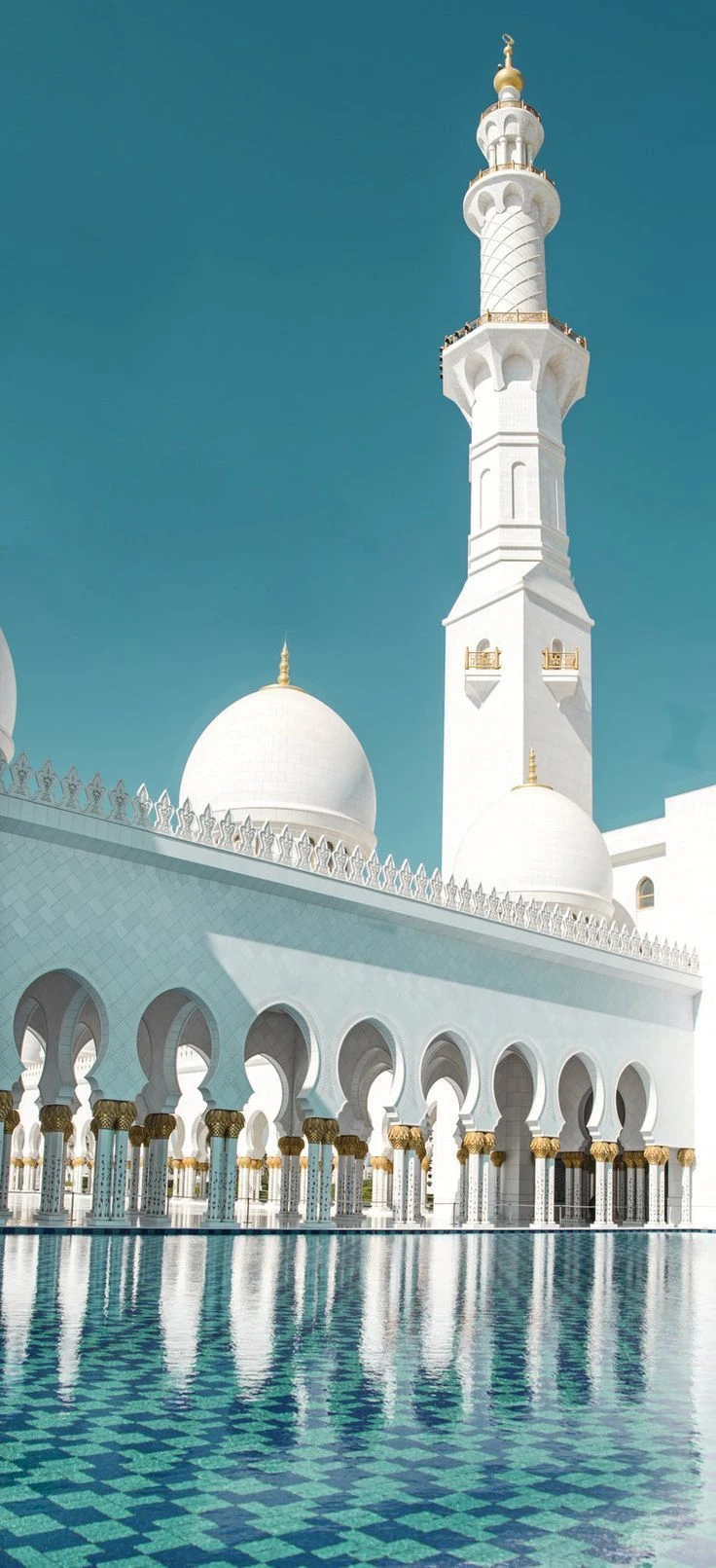
Respect also extends to places of worship. If you plan to visit mosques, always dress modestly—women are often expected to cover their hair, while both men and women should avoid shorts or revealing outfits. Silence, calmness, and humility are especially important in such sacred spaces.
Dressing Modestly and Appropriately
Clothing is one of the clearest ways to show respect in the Middle East. While big cities like Dubai or Doha are more cosmopolitan and flexible, modest dressing remains the general norm across the region. Men should ideally avoid sleeveless shirts in public, while women should lean toward long dresses, trousers, and loose-fitting tops.
This isn’t about limiting style—it’s about blending with local expectations and ensuring you don’t unintentionally attract unwanted attention. As a bonus, dressing conservatively often keeps you more comfortable in the heat and strong sun of the desert climate.
Dining Etiquette and Hospitality
Middle Eastern hospitality is world-renowned, and dining is often at the center of it. When invited to someone’s home, it is polite to bring a small gift, like sweets or dates. Removing your shoes before entering the house is also common in many countries.
Meals are often shared and enjoyed in a communal style. Using your right hand for eating, passing dishes, or accepting items is a crucial rule of etiquette, as the left hand is traditionally considered impolite. If you are full, leaving a small amount of food on your plate can be seen as a sign of satisfaction.
Social Etiquette and Public Behavior
Respect in public spaces is an essential cultural value. Displays of affection, such as kissing or hugging, are best avoided in public. Similarly, raising your voice or showing anger in public is considered disrespectful. In fact, patience and calmness are qualities admired in many Middle Eastern societies.
Photography is another sensitive area. Always ask permission before taking photos of people, especially women, and avoid photographing government buildings, military sites, or other restricted areas.
Religion and Daily Life
The Middle East has a strong connection to faith, and religion influences daily routines. During prayer times, businesses may temporarily pause, and the call to prayer resonates through cities. As a visitor, being aware and respectful during these moments is important.
During the holy month of Ramadan, cultural sensitivity is especially important. From sunrise to sunset, Muslims fast, and while non-Muslims are not required to do the same, it is respectful to avoid eating, drinking, or smoking in public during daylight hours. Many travelers find this period to be a fascinating and enriching cultural experience.
Embracing the Experience
Traveling through the Middle East is not just about visiting famous landmarks—it’s about connecting with people and traditions. When you show an effort to understand cultural etiquette, locals often respond warmly and are eager to share their heritage with you. Small gestures of respect can open doors to experiences that you may never find in a guidebook.
From sipping coffee in a Bedouin tent to strolling through ancient souks, embracing etiquette ensures that your memories are both respectful and rewarding.
Final Thoughts
The Middle East continues to grow as a destination for international travelers seeking a blend of tradition and modernity. While planning the journey may involve practical steps like preparing documents, the heart of your experience will lie in how you engage with people and respect their customs.
By keeping cultural etiquette in mind, travelers not only enrich their own adventures but also contribute to meaningful cross-cultural exchanges. From greetings and attire to dining manners and religious awareness, each step helps you become a respectful guest in one of the world’s most historically and culturally vibrant regions.