Launching a cryptocurrency exchange has become an attractive opportunity for startups and fintech entrepreneurs looking to participate in the growing digital asset economy. However, one of the first questions founders ask is: how much does it cost to launch a crypto exchange?
The answer depends on several factors, including platform complexity, security requirements, regulatory compliance, infrastructure, and long-term business objectives. Understanding these elements helps businesses plan realistic budgets and avoid unexpected expenses during development and deployment.
Key Factors That Influence Launch Costs
The overall cost of building a cryptocurrency exchange varies based on the features and capabilities required. A basic exchange platform may require significantly less investment than a large-scale exchange designed to support thousands of users and multiple trading pairs.
Important cost factors include:
- Trading engine development
- User account management
- Multi-currency support
- Wallet integration
- Liquidity solutions
- KYC and AML implementation
- Security infrastructure
- Mobile application development
- Administrative dashboard
- Ongoing maintenance and support
The more sophisticated the platform, the greater the investment required to ensure performance, reliability, and security.
Platform Architecture and Infrastructure
A successful exchange must handle large volumes of transactions without performance issues. Building scalable infrastructure requires cloud hosting, database optimization, load balancing, and monitoring systems.
Infrastructure expenses often increase as the platform grows, making scalability an important consideration during the planning phase. Businesses that invest in flexible architecture early can reduce future upgrade costs and improve user experience.
Security Requirements
Security remains one of the most critical investments when launching a cryptocurrency exchange. Users expect their funds and personal information to be protected against cyber threats.
Common security measures include:
- Multi-factor authentication
- Cold wallet storage
- Encryption protocols
- DDoS protection
- Access controls
- Real-time monitoring
Strong security frameworks help build trust and support long-term platform growth.
Compliance and Regulatory Considerations
Regulatory requirements vary across jurisdictions and can significantly impact launch costs. Businesses may need to implement identity verification systems, transaction monitoring tools, reporting mechanisms, and legal compliance procedures.
Proper compliance planning helps reduce operational risks and prepares the exchange for expansion into new markets.
Liquidity and Trading Experience
Liquidity plays a major role in exchange success. Without adequate liquidity, users may face delays and poor trading experiences.
Many startups allocate budget for:
- Liquidity provider integrations
- Market-making solutions
- Trading pair expansion
- Real-time market data services
These investments contribute to a smoother and more competitive trading environment.
The Role of Wallet Infrastructure
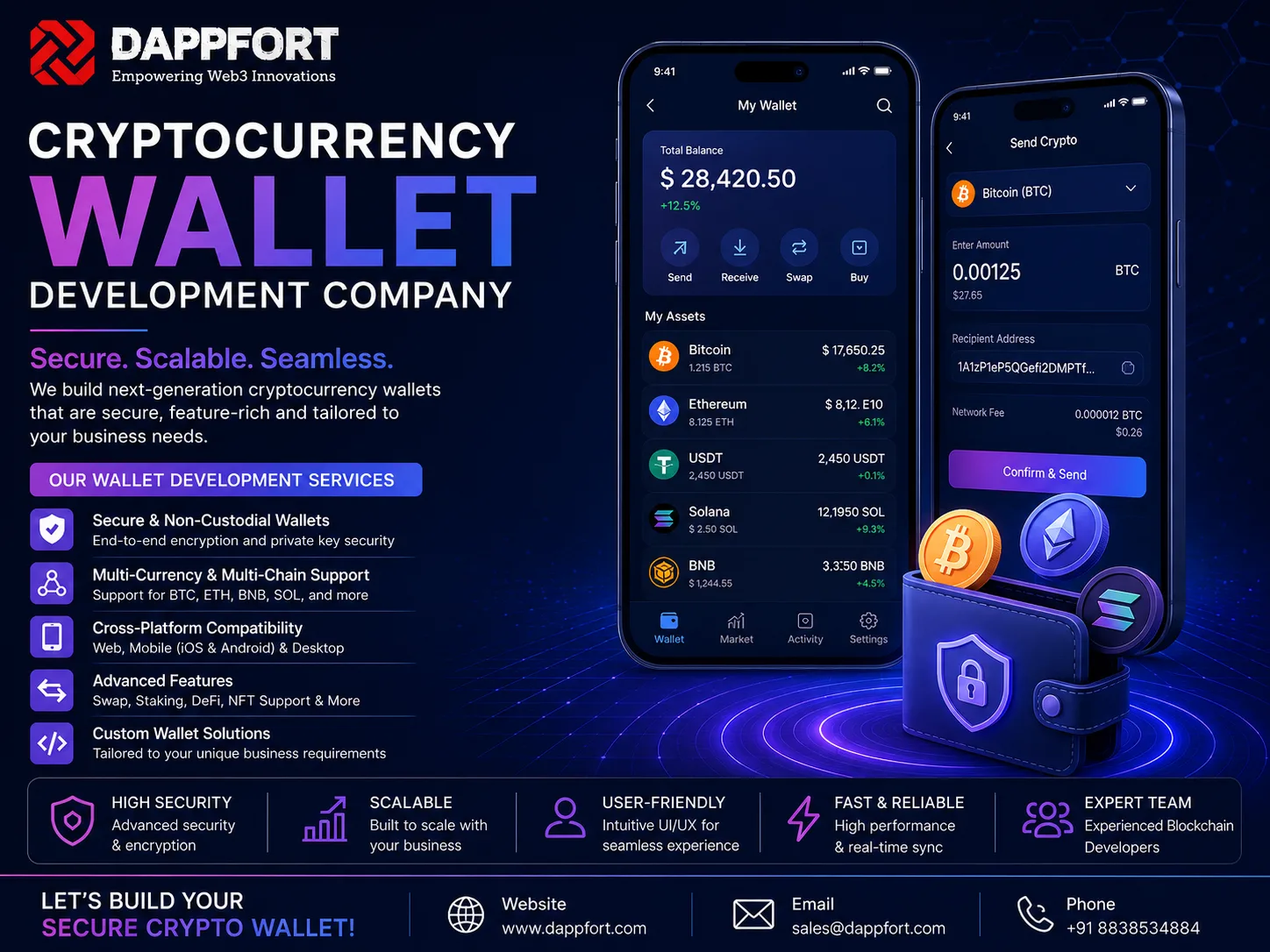
Digital asset storage is another essential component of any exchange platform. Reliable wallet functionality enables users to deposit, withdraw, and manage cryptocurrencies securely. Businesses often invest in advanced wallet systems that support multiple blockchain networks and asset types. As digital asset ecosystems continue to expand, Crypto wallet development becomes increasingly important for providing secure and seamless user experiences.
Choosing the Right Development Strategy
Businesses can choose between white-label solutions and custom-built platforms. White-label options generally reduce initial investment and shorten development timelines. Custom solutions provide greater flexibility, branding opportunities, and feature customization but typically require a larger budget.
Many startups evaluate their long-term growth plans before selecting the most appropriate approach.
Conclusion
The cost of launching a cryptocurrency exchange in 2026 depends on a combination of technology, security, compliance, liquidity, and operational requirements. Investing in the right infrastructure from the beginning can help businesses build sustainable and scalable trading platforms.
Whether launching a startup exchange or expanding an existing fintech offering, understanding the factors behind Crypto exchange development costs enables organizations to make informed decisions and create a stronger foundation for long-term success.