Nobody wants "just another exchange" in 2026. The market's grown up, traders got pickier, and honestly the bar keeps moving. Speed, trust, features that solve an actual problem instead of copying whatever five other platforms already did. That's the game now.
So if crypto exchange development is on your radar this year, you're walking into a space where compliance, liquidity, and user experience quietly decide who's still around in twelve months. This guide covers what you need to know. No jargon dump, just the stuff that actually matters.
Doesn't matter if you're a scrappy startup or an established fintech name. Get a handle on how crypto exchange development services actually work, and you save yourself months of back-and-forth with vendors down the line.
Most founders don't realize how much ground cryptocurrency exchange software development services actually cover until they're deep into the build. It's not just writing code. It's architecture planning, security design, compliance mapping, and ongoing support once the platform's live. Picking a partner who handles all of that under one roof, instead of stitching together three different vendors, usually saves both time and headaches.
How Does a Crypto Exchange Actually Work?
Strip it down and a crypto exchange platform does one job. Match buyers with sellers. Someone places an order, the system scans the order book, finds a price match, trade executes. Milliseconds.
Sounds simple. It isn't, really. Wallets hold the funds. An order matching engine processes everything. APIs feed in live pricing. Security sits underneath all of it, holding the whole structure together.
Get this part, and a lot of later decisions start making more sense, right down to which exchange model actually fits your cryptocurrency exchange platform development goals.
Choosing the Right Exchange Model: CEX, DEX or Hybrid?
First real fork in the road, and most founders hit it early.
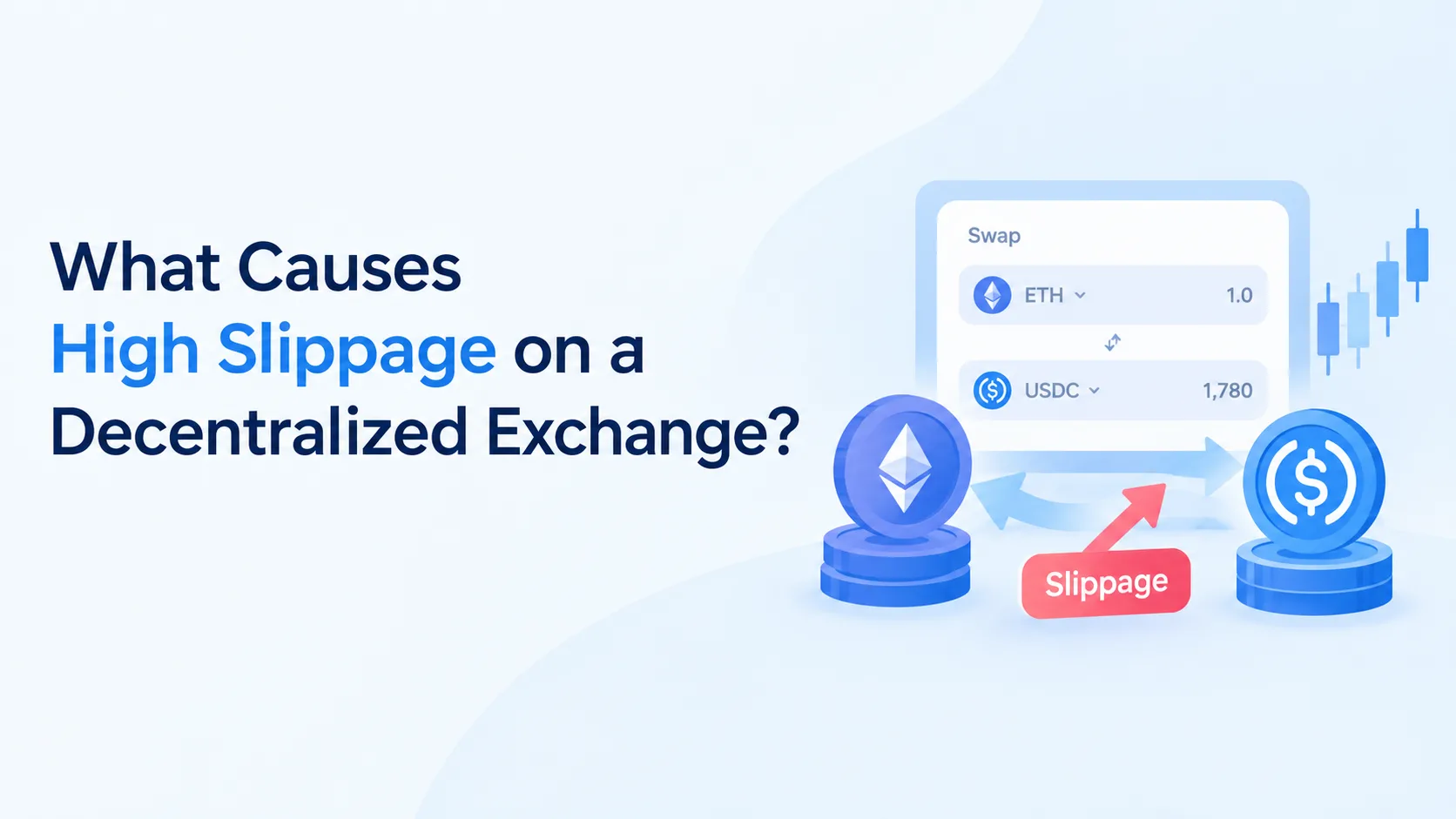
Centralized exchange, or CEX, gives you control and speed. Compliance gets easier too. Downside? Users are trusting you with their funds directly. Decentralized exchange, DEX, skips that trust issue since trades go wallet to wallet. But you lose some speed and simplicity along the way.
Hybrid tries to have it both ways, centralized speed, decentralized custody. Harder build, no question. Still, more platforms are going this route because it pulls in retail and institutional traders at once.
There's no single right answer. Depends on your audience, your regulatory reality, and how much control you're willing to give up.
Must-Have Features That Make a Crypto Exchange Competitive
A plain buy-sell screen won't cut it anymore. Traders expect a lot more than that these days.
- Spot and margin trading
- Multi-currency wallet support
- Real-time charts and order books
- P2P trading options
- Staking and earn programs
- Mobile-first design
- Layered security, 2FA and cold storage included
Skip a few of these and it's not just a cosmetic gap. It costs users. People compare platforms constantly now. An exchange that feels dated bleeds traffic fast, even if the backend behind it is solid.
Behind the Platform: Core Technology & Exchange Architecture
Good architecture goes unnoticed, mostly. You only hear about it when it breaks.
Crypto exchange software development needs a stack that holds up: scalable backend, secure wallet management, a fast matching engine, an admin panel that gives operators real control without needing a developer on standby for every tweak.
Early technical choices, database structure, server setup, blockchain integrations, decide how well the thing scales later. This is exactly where cryptocurrency exchange software development quality shows its face. Some platforms grow smoothly. Others end up rebuilt from scratch within a year because nobody thought ahead.
Trading Engine, Liquidity & APIs: What Powers the Exchange?
Trading engine is the heartbeat here. It has to process thousands of orders per second, no lag, especially when markets go volatile and volume spikes hard.
Liquidity's the other half. Weak liquidity, wider spreads, slower fills, annoyed traders. Most new exchanges lean on external liquidity providers through APIs early on, while they build up their own user base in parallel.
Cryptocurrency exchange software development services earn their keep right here, wiring in reliable liquidity without slowing down execution speed.
Crypto Exchange Security: Protecting Funds, Users & Transactions
Security isn't something you bolt on later. It has to be part of the foundation, day one.
Basics: cold and hot wallet segregation, multi-signature authorization, regular penetration testing, DDoS protection. Beyond that, real-time transaction monitoring, catching suspicious activity before it turns into an actual breach.
One security slip, and a platform's reputation is gone, often for good. Users remember hacks way longer than they remember decent uptime. That alone tells you where the budget belongs.
KYC, AML & Regulatory Compliance: What You Need Before Launch
Regulators are watching crypto platforms closer than they used to. Skipping compliance isn't really an option anymore, not if you want to operate legitimately or bring in serious investors.
Minimum requirements: KYC verification at onboarding, AML transaction monitoring, and a clear read on licensing wherever you plan to operate. Rules shift a lot country to country, so local legal guidance early on tends to pay for itself pretty fast.
Build compliance in from the start. It's cheaper than bolting it on after regulators start asking questions.
Custom vs White-Label Crypto Exchange Development: Which Fits Your Business?
Usually comes down to timeline and budget. Not much more complicated than that.
Custom development gets you full code ownership and total flexibility. Takes longer, costs more upfront though. White label crypto exchange software development gets you a tested, feature-rich platform in weeks instead of months, with room to tweak branding and pick features.
Racing to catch market timing? White-label usually wins. Enterprise with very specific technical needs? Custom development's generally worth the wait.
How Much Does Crypto Exchange Development Cost in 2026?
First question almost every founder asks. Fair enough, it should be.
Crypto exchange development cost hinges on a handful of things: exchange model, feature list, security requirements, custom versus white-label. A basic MVP costs way less than a full platform loaded with margin trading, staking, multi-chain support.
Want the real numbers, broken down by feature and stage? Our pricing guide for building a crypto exchange gets into exactly what pushes the price up or down.
How Long Does It Take to Build and Launch a Crypto Exchange?
Timelines swing a fair bit depending on complexity. Rough picture though:
White-label exchange, live in 4 to 8 weeks. Custom build with advanced features, 4 to 9 months typically, mostly hinging on how much testing and compliance work is involved.
Rush this part and it bites you later. Skip proper QA and security testing, and problems tend to surface right as trading volume climbs, which is exactly the worst time for anything to break.
Common Development Challenges and How to Avoid Them
Most exchange projects trip on the same handful of things, over and over.
Underestimating liquidity, that's a big one. Founders often think users show up first and liquidity follows. Usually works the other way around. Weak security planning, another repeat offender, some teams treat it like a checkbox instead of something ongoing.
Scalability gets overlooked too, a lot more than it should. Platforms built for a few hundred users start cracking the moment real volume shows up. Plan for cryptocurrency exchange scalability from the start, or deal with an expensive scramble later.
A Practical Roadmap to Launching Your Crypto Exchange
Wondering how to start a crypto exchange? Here's a simplified path, works for most founders:
- Define your exchange model and target market
- Choose custom or white-label development
- Finalize your feature list and compliance requirements
- Build or customize your platform
- Run security audits and stress testing
- Launch with a liquidity strategy already in place
- Scale features based on real user feedback
That's the short version of how to develop a crypto exchange from scratch, but every step above hides a lot of decisions. Setting up a cryptocurrency exchange platform rarely goes exactly by the book, and most teams end up looping back to earlier steps once real testing exposes gaps.
Want the deeper walkthrough, step by step? Our guide on creating a cryptocurrency exchange platform covers each stage in more depth, including the exchange development process most guides skip over.
How to Choose a Crypto Exchange Development Company
Not every development partner is cut from the same cloth. This choice shapes everything that comes after it.
Look for a team with actual live exchanges in their portfolio, not just mockups and pretty screenshots. Ask how they handle security. Ask about their experience with regulatory requirements in your target markets. Ask whether support continues once the platform's live.
A dependable cryptocurrency exchange development company should walk you through their tech stack, past work, and realistic timelines, no dodging the hard questions. Can't get a straight technical answer from a crypto exchange website development company? Treat that as a red flag.
Pricing is important, but it shouldn’t be the only factor when choosing a development partner. A reliable provider should also have a clear approach to architecture, security, scalability, and post-launch support. When evaluating cryptocurrency exchange development company, look beyond the initial quote and consider whether the technology and support can handle your exchange’s long-term requirements.
What's Next for Crypto Exchange Platforms in 2026?
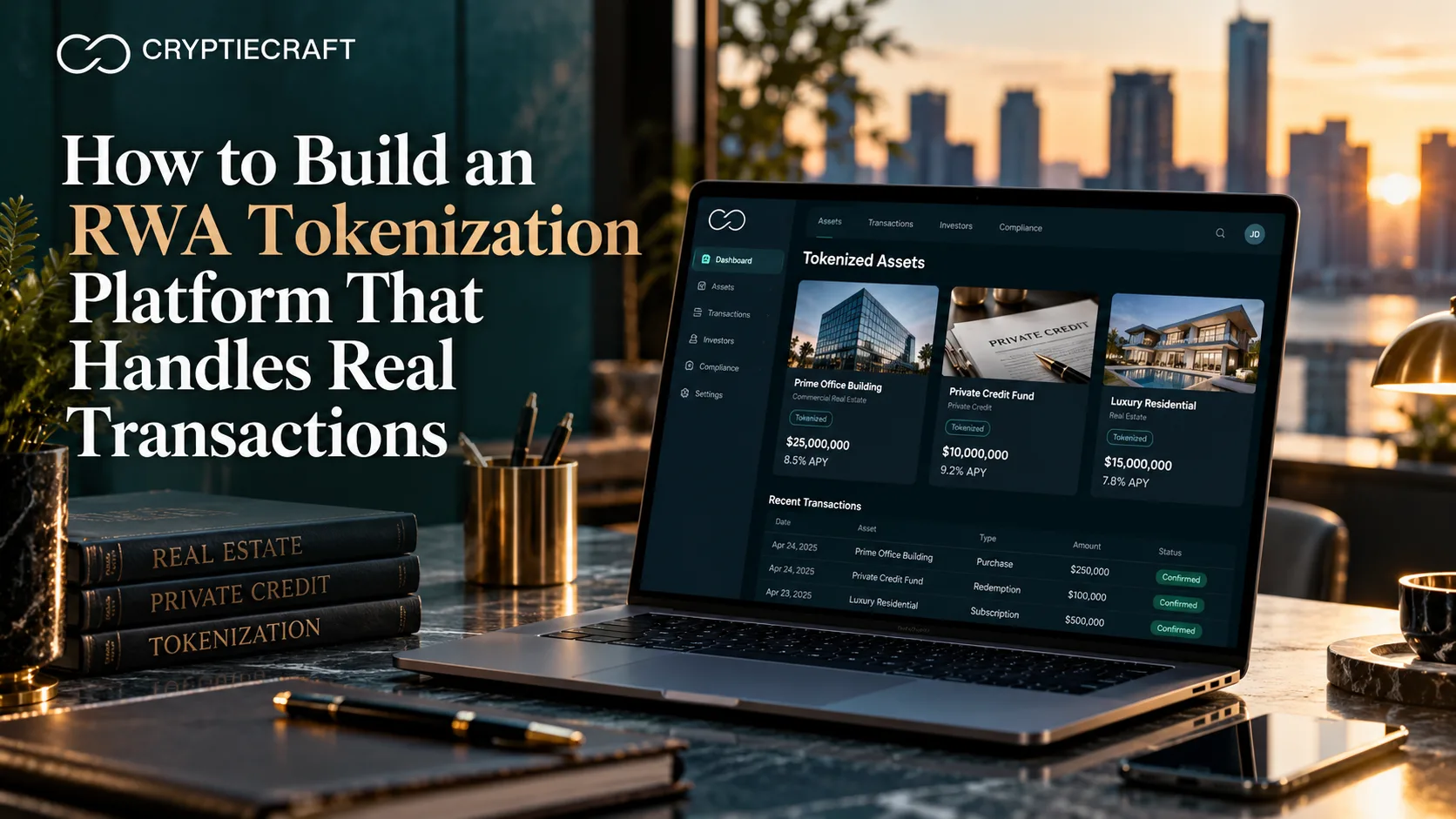
Next wave of exchanges is leaning hard into AI-powered trading tools, deeper cross-chain support, real-world asset tokenization. Users want platforms that feel less like trading terminals now, more like complete financial ecosystems they can actually live inside.
Exchanges that invest early in scalable architecture and compliance, those are the ones still standing when the next market cycle hits. Founders who treat this as infrastructure, not a one-time launch event, tend to build platforms that actually last.