
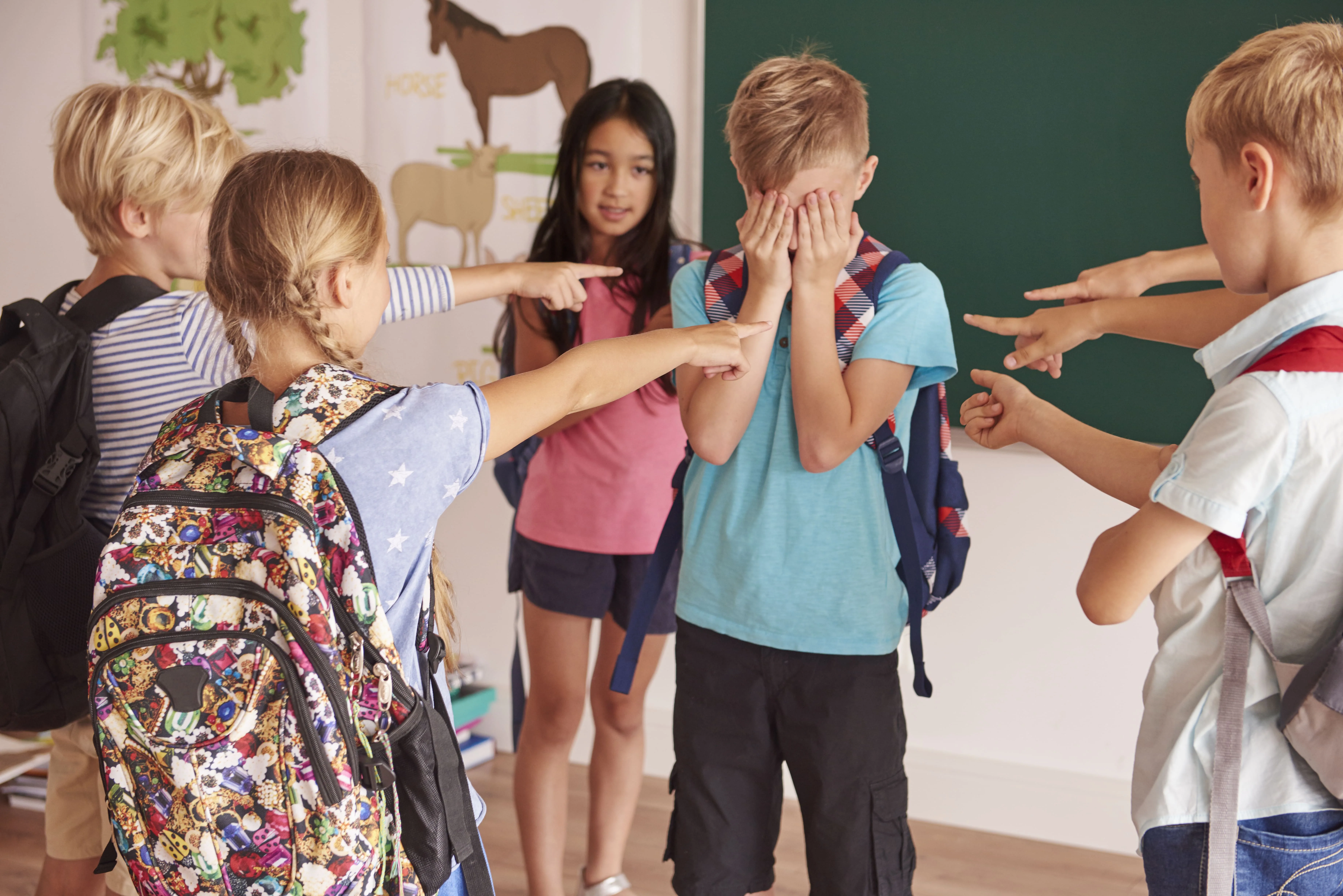
Schools should be places where students feel safe, respected, supported, and encouraged to grow both academically and personally. However, bullying continues to be a challenge in many educational environments, affecting students emotionally, socially, and academically. Negative experiences such as teasing, exclusion, harassment, and online bullying can damage confidence, reduce participation in school activities, and create long-term emotional stress.
Because of these challenges, many schools are investing in stronger anti-bullying training for students while focusing on effective strategies for preventing bullying in schools. Modern prevention programs are designed not only to stop harmful behavior but also to build empathy, communication skills, emotional awareness, and positive peer relationships.
Bullying prevention is most effective when students, teachers, administrators, and families work together to create an environment where kindness, accountability, and inclusion are encouraged every day. Rather than simply responding to incidents after they happen, schools are increasingly focused on proactive education that teaches students how to recognize bullying, respond appropriately, and support one another.
When students learn the importance of respect and healthy communication, they become more confident contributors to a positive school culture.
Understanding Bullying in Modern Schools
Bullying Can Take Many Forms
Bullying is not limited to physical aggression. It can also include verbal harassment, social exclusion, rumor spreading, intimidation, and cyberbullying.
Emotional Harm Can Be Serious
Students who experience bullying may struggle with anxiety, low self-esteem, stress, or difficulty concentrating in class.
School Culture Plays a Major Role
A respectful and supportive school environment can help reduce harmful behavior and encourage healthier peer relationships.
Why Anti-Bullying Education Matters
Students Need Practical Guidance
Many students may not fully understand the impact their actions have on others. Training programs help increase awareness and empathy.
Prevention Is Better Than Reaction Alone
Disciplinary action is important when bullying occurs, but prevention-focused education can help reduce incidents before they escalate.
Safe Environments Support Learning
Students are more likely to succeed academically and socially when they feel emotionally secure at school.
What Effective Anti-Bullying Training Includes
Teaching Students to Recognize Bullying
Students learn how to identify harmful behavior in both obvious and subtle forms.
Encouraging Respectful Communication
Programs often focus on listening skills, empathy, and healthy conflict resolution.
Building Emotional Intelligence
Understanding emotions helps students manage disagreements and respond thoughtfully during difficult situations.
Supporting Positive Peer Relationships
Students learn how to include others, offer support, and create welcoming social environments.
The Importance of Preventing Bullying Early
Early Intervention Reduces Long-Term Problems
Addressing negative behaviors early can help prevent more serious conflicts later.
Positive Habits Develop Over Time
Consistent education encourages students to build healthier communication patterns and social behaviors.
Prevention Strengthens School Communities
Schools that focus on prevention often experience stronger relationships and improved overall atmosphere.
The Role of Students in Bullying Prevention
Students Influence One Another
Peer behavior has a strong impact on school culture. Positive actions can encourage others to behave respectfully.
Speaking Up Makes a Difference
Students who report bullying or support classmates can help reduce harmful behavior.
Small Actions Matter
Simple acts of kindness, inclusion, and encouragement can improve the school experience for many students.
How Teachers and Staff Support Prevention Efforts
Creating Respectful Classrooms
Teachers help establish expectations for positive communication and behavior.
Responding Consistently
Students feel safer when bullying concerns are addressed seriously and fairly.
Encouraging Open Communication
Students are more likely to seek help when they trust adults within the school environment.
Modeling Positive Behavior
Adults who demonstrate empathy and professionalism provide important examples for students.
Addressing Cyberbullying in Today’s Schools
Online Behavior Has Real Consequences
Social media and digital communication can extend bullying beyond school hours.
Students Need Digital Responsibility Skills
Training programs often include lessons about respectful online behavior and safe technology use.
Awareness Helps Prevent Harm
Teaching students about online accountability encourages more thoughtful communication.
Why Social and Emotional Skills Matter
Empathy Builds Stronger Relationships
Understanding how others feel helps students interact more respectfully.
Communication Skills Reduce Conflict
Students who communicate clearly and calmly are often better equipped to handle disagreements.
Confidence Supports Positive Choices
Students who feel secure and valued are less likely to engage in harmful behavior.
Activities Often Used in Prevention Programs
Group Discussions
Open conversations help students understand different perspectives and experiences.
Role-Playing Exercises
Students practice responding to difficult situations in safe and supportive settings.
Team-Building Activities
Collaborative exercises encourage cooperation, trust, and inclusion.
Peer Mentorship Programs
Older students can help guide younger students and promote respectful behavior.
Long-Term Benefits of Bullying Prevention Programs
Improved School Climate
Schools that prioritize emotional safety often create stronger and more welcoming communities.
Better Academic Engagement
Students who feel supported are more likely to participate actively in learning.
Stronger Student Relationships
Positive communication and empathy help improve peer interactions.
Healthier Emotional Development
Students develop important life skills that support future relationships and personal growth.
Building a Positive School Culture Takes Consistency
Creating lasting change requires ongoing effort from students, teachers, parents, and administrators. One-time presentations may raise awareness temporarily, but meaningful improvement happens when positive values are reinforced regularly through everyday interactions and school-wide support.
Schools that consistently encourage respect, empathy, and accountability often experience stronger communities where students feel emotionally safe and valued.
Conclusion
Effective anti-bullying training for students plays an important role in preventing bullying in schools and creating healthier learning environments. By teaching empathy, communication skills, emotional awareness, and respectful behavior, schools help students build stronger relationships and contribute positively to their communities.
Bullying prevention is most successful when students are empowered to support one another and participate actively in creating safe and inclusive environments. As schools continue prioritizing emotional well-being alongside academic success, prevention programs will remain essential tools for building respectful and supportive school cultures.
Frequently Asked Questions (FAQ)
1. What is anti-bullying training for students?
It is educational training that helps students recognize, prevent, and respond appropriately to bullying behavior.
2. Why is preventing bullying in schools important?
Prevention helps create safer environments where students feel respected, supported, and ready to learn.
3. Does bullying prevention include cyberbullying education?
Yes, many modern programs address online behavior and digital responsibility.
4. Can students help stop bullying?
Positive peer support and responsible reporting can make a major difference in reducing harmful behavior.