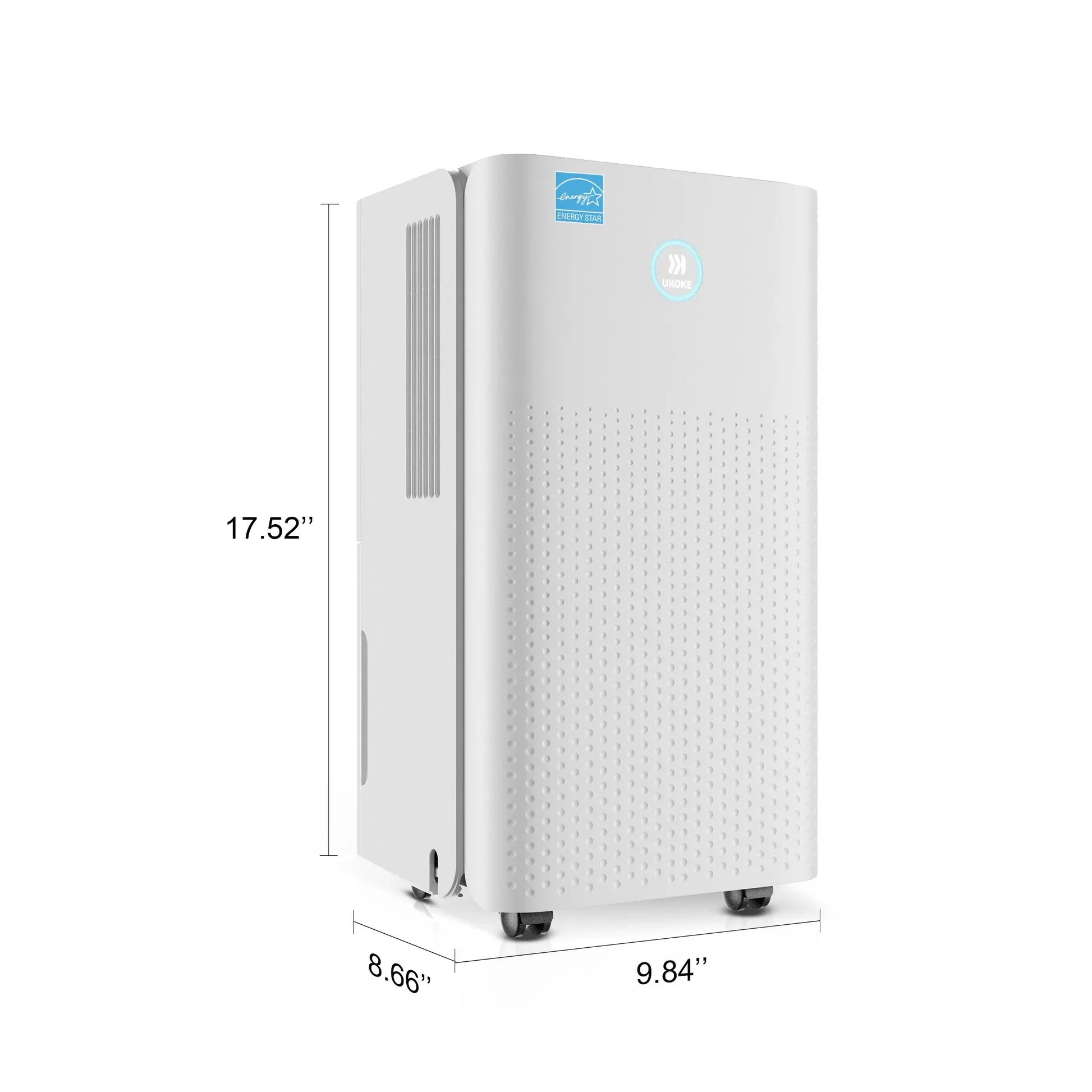
Modern homes require practical solutions to maintain comfortable indoor conditions and keep everyday items clean. From controlling excess moisture to removing stubborn dirt from delicate objects, choosing the right appliances can make household maintenance easier and more efficient. An Energy Star dehumidifier can help manage indoor humidity while supporting energy-conscious living, making it a valuable addition to rooms affected by dampness. At the same time, an ultrasonic cleaner with timer offers a convenient way to clean small items with precision and consistency. Together, these appliances demonstrate how thoughtful technology can improve home comfort, simplify cleaning routines, and support a more organized living environment.

When exploring reliable household solutions, Ukoke.com provides an opportunity to discover products designed to address everyday cleaning and home maintenance needs. Maintaining a comfortable home involves more than regular dusting and surface cleaning. Indoor moisture, hidden dirt, and accumulated residue can affect the condition of household belongings and the overall living environment. Selecting appliances that suit specific tasks helps homeowners maintain better routines without unnecessary effort. Understanding the benefits, features, and practical uses of these devices can make it easier to decide which solutions deserve a place in a modern home.
Understanding the Importance of Indoor Humidity Control
Humidity plays an important role in indoor comfort. Excess moisture can make rooms feel sticky, contribute to condensation on windows, and create favorable conditions for mold and mildew growth. Bathrooms, basements, laundry areas, and poorly ventilated rooms are particularly susceptible to moisture problems. If left unmanaged, persistent dampness may affect furniture, stored belongings, walls, and other household materials.
A dehumidifier works by removing moisture from the air and collecting it in a reservoir or directing it through a drainage system. Maintaining an appropriate indoor humidity level can make a room feel more comfortable and help protect household possessions from moisture-related damage. However, the ideal settings depend on the room, climate, and specific moisture conditions. Regularly checking humidity levels helps homeowners determine when additional moisture control is necessary.
Energy efficiency is another important consideration when selecting an appliance intended for frequent use. Models with appropriate energy-efficiency certifications can help consumers compare products and make more informed purchasing decisions. Choosing the right capacity for the intended room is equally important because an undersized unit may struggle to manage persistent moisture, while a larger model may be unnecessary for a small space.
Features That Make Moisture Management More Convenient
Modern dehumidifiers may include adjustable humidity settings, automatic shutoff, digital displays, and continuous drainage options. These features help users operate the appliance according to their household requirements. Automatic shutoff is particularly useful because it can stop operation when the collection tank reaches its capacity, depending on the model. A built-in humidistat may also allow the appliance to respond to changing indoor conditions.
Placement can influence performance. Keeping the unit on a stable, level surface with sufficient clearance around its air intake and outlet allows proper airflow. Doors and windows should generally remain closed while the appliance operates in a room being dehumidified. Cleaning the air filter according to the manufacturer's instructions and emptying the water reservoir regularly can also help maintain performance.
It is important to remember that a dehumidifier does not repair leaks or resolve every underlying moisture problem. Roof damage, plumbing leaks, poor drainage, and inadequate ventilation may require separate attention. Addressing the source of excess moisture alongside using an appropriate appliance creates a more effective long-term strategy for maintaining a comfortable indoor environment.
Discovering the Benefits of Ultrasonic Cleaning Technology
Cleaning small objects can be challenging when dirt collects in narrow openings, intricate patterns, or hard-to-reach areas. Traditional wiping and brushing may not reach every surface, while aggressive scrubbing can potentially damage delicate materials. Ultrasonic cleaning offers an alternative that uses high-frequency sound waves to create microscopic bubbles in a cleaning liquid. These bubbles form and collapse in a process known as cavitation, helping loosen contaminants from submerged objects.
This technology is used for various cleaning applications, including certain jewelry pieces, metal components, eyeglass-compatible accessories, and small tools. Its suitability depends on the material, construction, coatings, and manufacturer's care recommendations. Items containing fragile gemstones, glued components, delicate finishes, or sensitive electronics may require special precautions or may not be suitable for ultrasonic cleaning at all.
One of the main advantages of ultrasonic technology is its ability to reach intricate areas that are difficult to clean manually. Rather than relying entirely on direct contact, the cleaning process helps dislodge residue from suitable surfaces throughout the liquid bath. This can make routine maintenance more convenient for people who regularly clean small, detailed objects.
Why Timer Functions Matter in Everyday Cleaning
A timer adds convenience by allowing users to select an appropriate cleaning duration for different objects and levels of contamination. Instead of constantly monitoring the cleaning process, users can set the cycle and attend to other household tasks while the appliance operates. A defined cycle also encourages consistency, helping users follow recommended cleaning durations rather than leaving items submerged or running the machine longer than necessary.
An ultrasonic cleaner with timer can be especially helpful when cleaning multiple compatible items as part of a regular maintenance routine. However, longer cycles are not always better. Delicate materials may be affected by prolonged exposure, heat, or unsuitable cleaning solutions. Following the manufacturer's instructions and the care guidance for each object is essential for achieving satisfactory results without unnecessary wear.
Before using an ultrasonic cleaner, remove loose debris when appropriate, fill the tank to the recommended level, and select a cleaning solution compatible with both the appliance and the items being cleaned. Avoid operating the device without the required liquid. After the cycle finishes, rinse items if necessary, dry them thoroughly, and clean the tank according to the instructions. These simple steps support safer operation and help keep the appliance ready for future use.
Choosing Appliances That Match Your Household Needs
Selecting household appliances becomes easier when you begin with a clear understanding of your priorities. For moisture control, consider the size of the room, the severity of the dampness, the water collection capacity, operating noise, drainage options, and energy consumption. For ultrasonic cleaning, examine tank dimensions, timer settings, operating modes, material compatibility, and ease of maintenance.
Budget is important, but the initial purchase price should not be the only deciding factor. Energy consumption, replacement components, cleaning requirements, durability, and expected frequency of use can influence the overall value of an appliance. Comparing specifications and reading product instructions before purchasing can help prevent mismatches between a device's capabilities and your intended application.
Household safety should remain a priority as well. Electrical appliances should be used in accordance with their instructions, kept away from unsuitable wet locations, and connected to appropriate power sources. Avoid modifying equipment or using cleaning chemicals that the manufacturer does not recommend. These precautions can help extend the useful life of appliances while supporting dependable everyday operation.
Building Better Home Maintenance Habits
Smart appliance choices work best when combined with simple, consistent household habits. Monitor indoor humidity, ventilate moisture-producing areas appropriately, address leaks promptly, and inspect rooms where condensation frequently appears. For cleaning tasks, establish a routine for inspecting small belongings, removing visible debris, and choosing the appropriate cleaning method for each material.
Keeping appliances clean is equally important. Filters, reservoirs, drainage pathways, and cleaning tanks may accumulate residue during normal use. Following recommended maintenance intervals helps preserve performance and reduces the likelihood of avoidable operating problems. Storing appliances in suitable locations and reviewing their instructions periodically can also make household routines more efficient.
Consumers researching home maintenance solutions can explore the options available through Ukoke.com while comparing features with their own requirements. A thoughtful approach to product selection helps ensure that each appliance serves a practical purpose instead of adding unnecessary complexity to daily life.
Conclusion
A comfortable and well-maintained home depends on practical decisions that address both environmental conditions and everyday cleaning challenges. Effective humidity management can help reduce excess indoor moisture, while ultrasonic cleaning technology can simplify the care of compatible small objects. Features such as energy-efficiency certifications, adjustable settings, automatic shutoff, and programmable cleaning cycles can make these tasks more manageable when chosen according to actual household needs.
Ultimately, the best appliance is one that fits the intended application, offers useful features, and can be maintained properly over time. By evaluating specifications, following manufacturer recommendations, and developing consistent maintenance habits, homeowners can make informed choices that support cleanliness, comfort, and convenience. Investing in suitable household technology is not simply about adding more equipment; it is about creating a more efficient environment in which everyday tasks become easier to manage.