

Renovating your home is exciting, especially when it comes to new flooring. It’s one of the most visible and functional aspects of your space. But here’s the catch: one wrong decision in home flooring can lead to aesthetic regret, functional issues, or a major dent in your wallet.
We’ll explore the most common (and costly) flooring mistakes people make during renovation, and provide smart tips to help you plan better, choose right, and stay on budget.
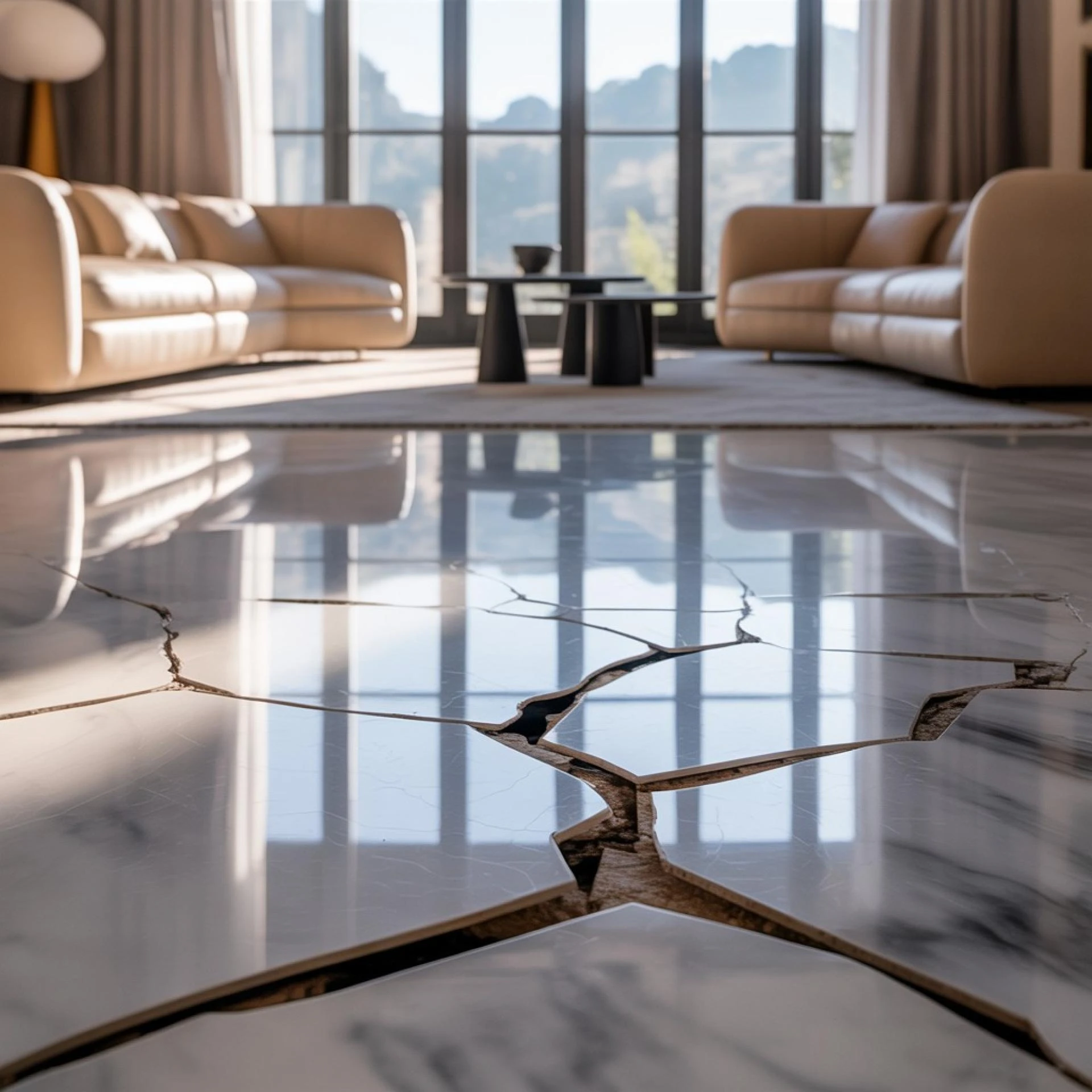
🧱 1. Skipping Subfloor Preparation
Why it’s a mistake:
Your flooring is only as good as the surface it rests on. Ignoring the condition of the subfloor can lead to squeaks, uneven surfaces, or premature wear.
How to avoid it:
Always inspect the subfloor for moisture, cracks, or level inconsistencies. Have it repaired or leveled before installation. Use a moisture barrier if required (especially in basements or humid areas).
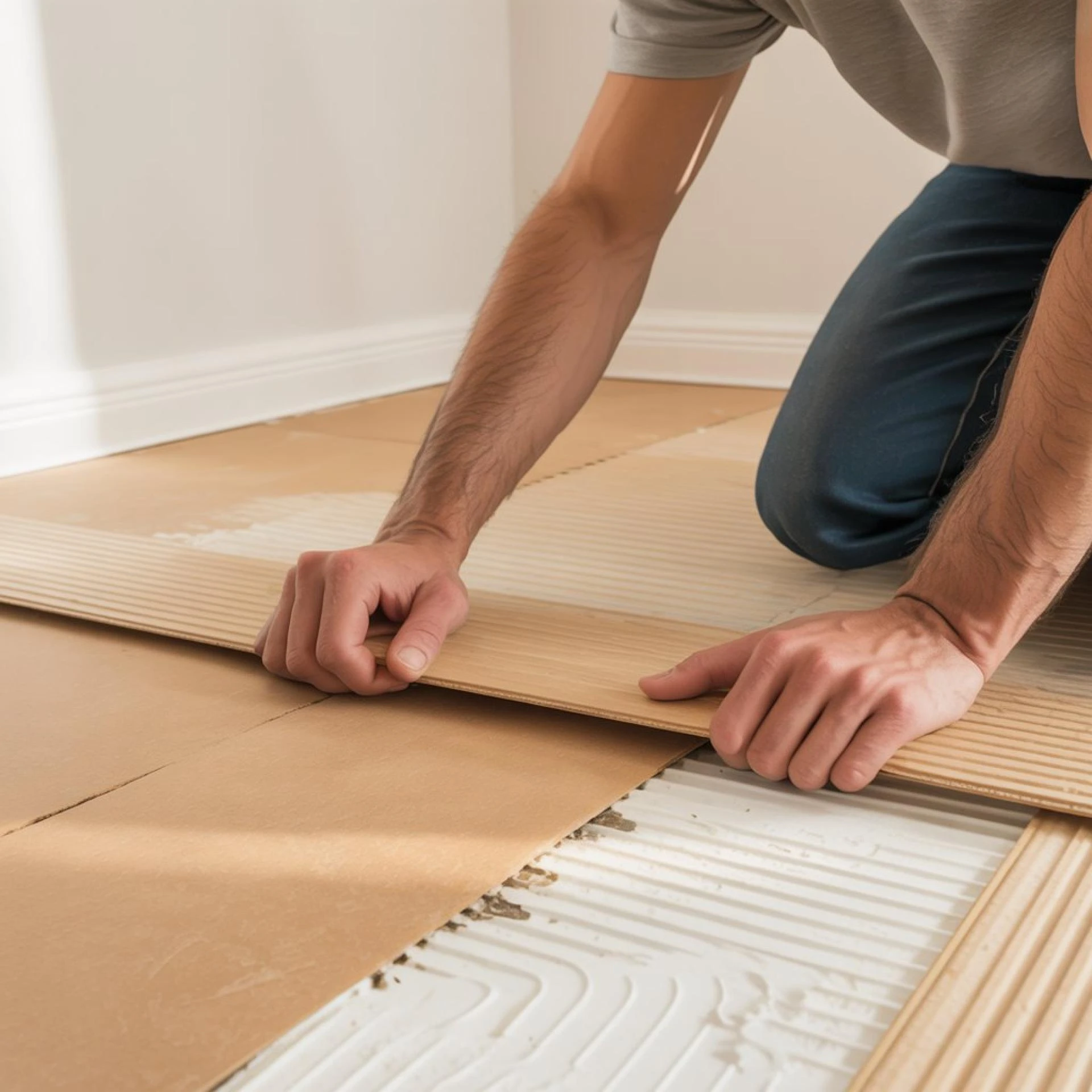
🧩 2. Choosing the Wrong Material for the Room
Why it’s a mistake:
Flooring that looks beautiful in a showroom may not suit the usage, weather, or moisture levels of your space. For instance, hardwood in bathroom flooring or kitchen flooring is a big no.
How to avoid it:
Match materials to function:
- Bathrooms/Kitchens → Go for moisture-resistant tiles or vinyl.
- Living Rooms → Laminate, wood, or tile works well.
- Basements → Waterproof vinyl or concrete is safer.

🧾 3. Underestimating Total Cost (Beyond Material Price)
Why it’s a mistake:
Focusing only on the cost per square foot of the flooring material can be misleading. Installation, underlayment, adhesives, labor, and finishing trims add up quickly.
How to avoid it:
Ask for a detailed estimate that includes all costs. Don’t forget to budget for unexpected repairs or a 10% extra material buffer for cuts and mistakes.

🛠️ 4. DIY Installation Without Experience
Why it’s a mistake:
While tempting to save on labor costs, improper installation leads to gapping, buckling, or premature wear — all of which cost more to fix later.
How to avoid it:
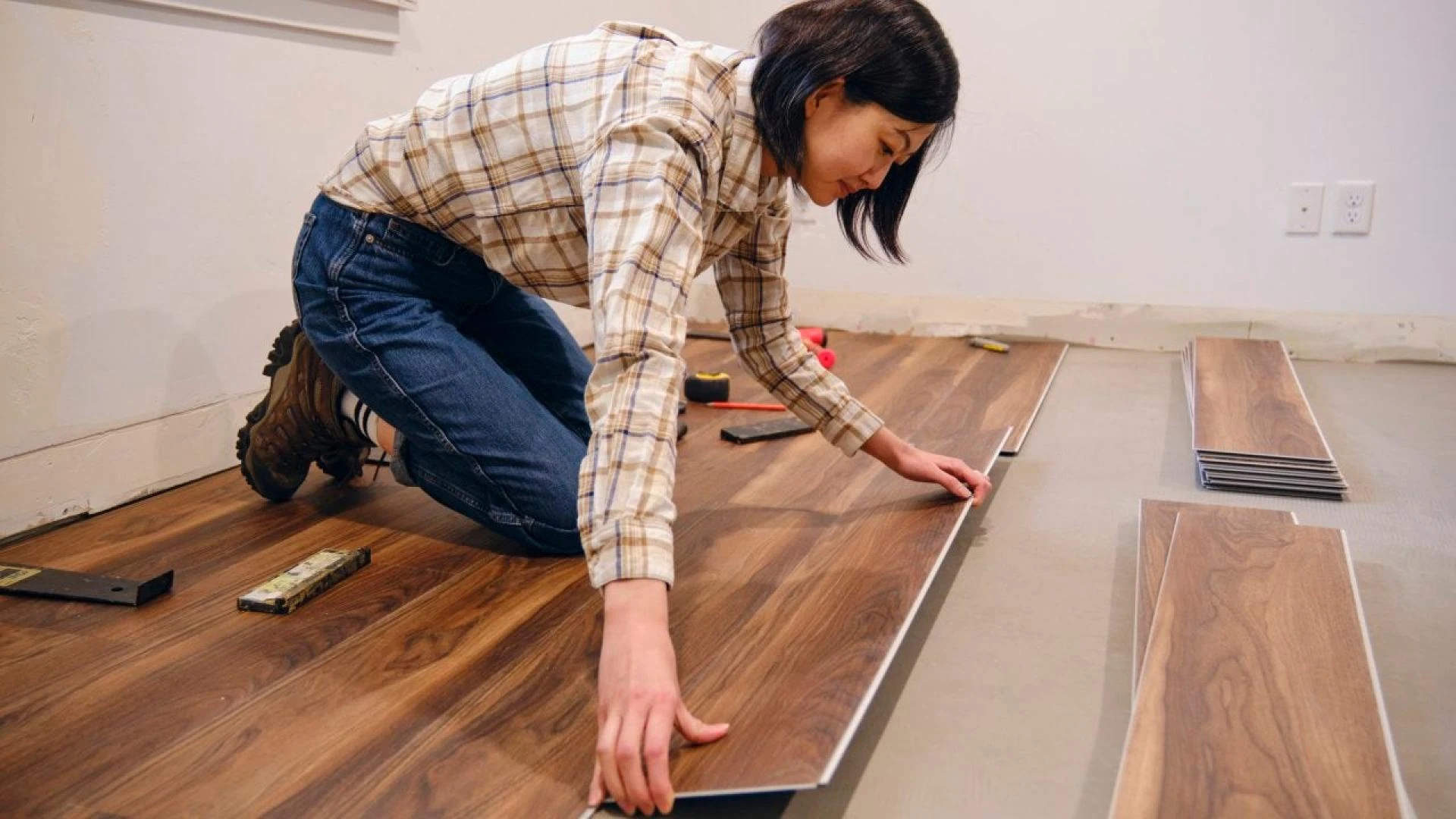
If you’re not experienced, hire a professional. For click-lock laminate or vinyl, DIY is manageable, but with tiles, hardwood, or herringbone patterns, let experts handle it.
🎨 5. Ignoring Color and Lighting Impact
Why it’s a mistake:
Flooring may look different under natural light than it does in the store. Poor color choice can clash with your furniture or make the room feel too dark or too sterile.
How to avoid it:
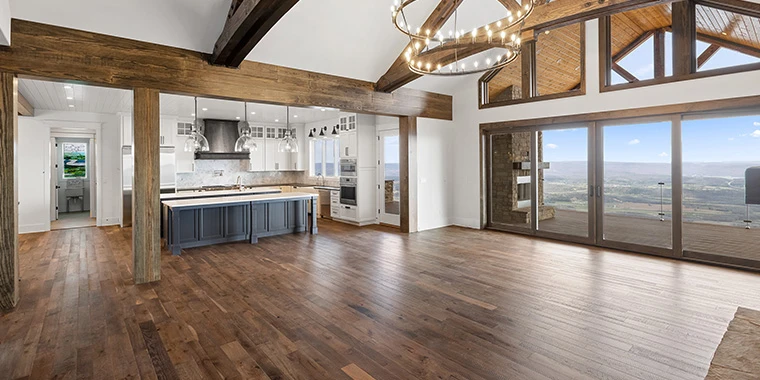
Always bring flooring samples home and test them under your room’s lighting. Think of long-term style — don’t chase trends that may date quickly.
📏 6. Incorrect Measurements
Why it’s a mistake:
Ordering too little flooring delays the project and might lead to mismatched batches. Ordering too much is just money wasted.
How to avoid it:
Use professional measurement services or double-check your dimensions carefully. Always order 10% extra to account for cuts, waste, and future repairs.
💧 7. Neglecting Moisture Testing
Why it’s a mistake:
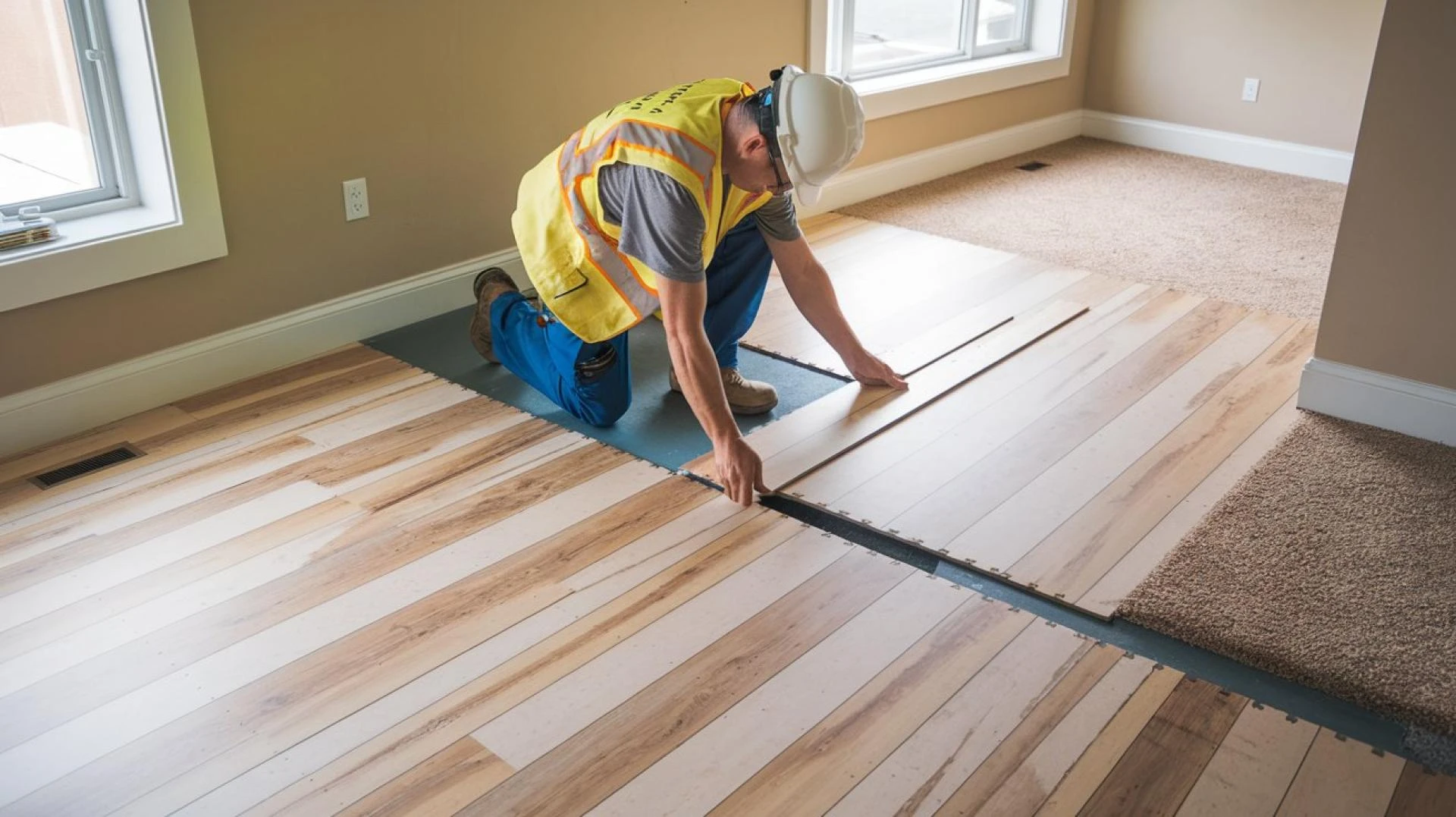
Installing wood flooring or laminate over a moist surface can lead to warping and mold. Moisture is the silent killer of many beautiful floors.
How to avoid it:
Test for moisture using a moisture meter. In damp-prone areas, choose moisture-proof materials and use appropriate barriers and sealants.
🪟 8. Overlooking Acoustics and Insulation
Why it’s a mistake:
Some floors (like laminate or tiles) can be noisy and cold, which may reduce comfort in the long run.
How to avoid it:
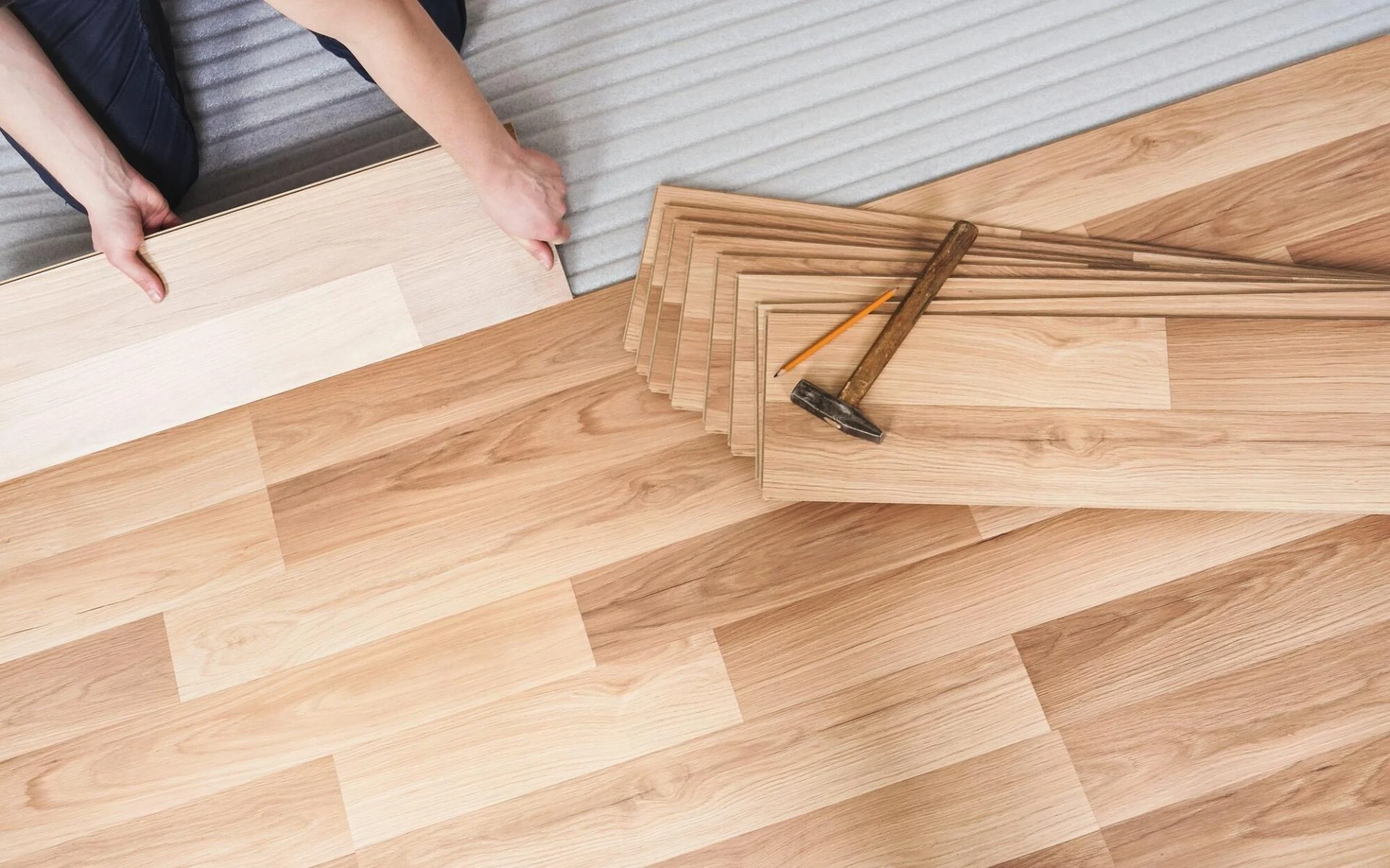
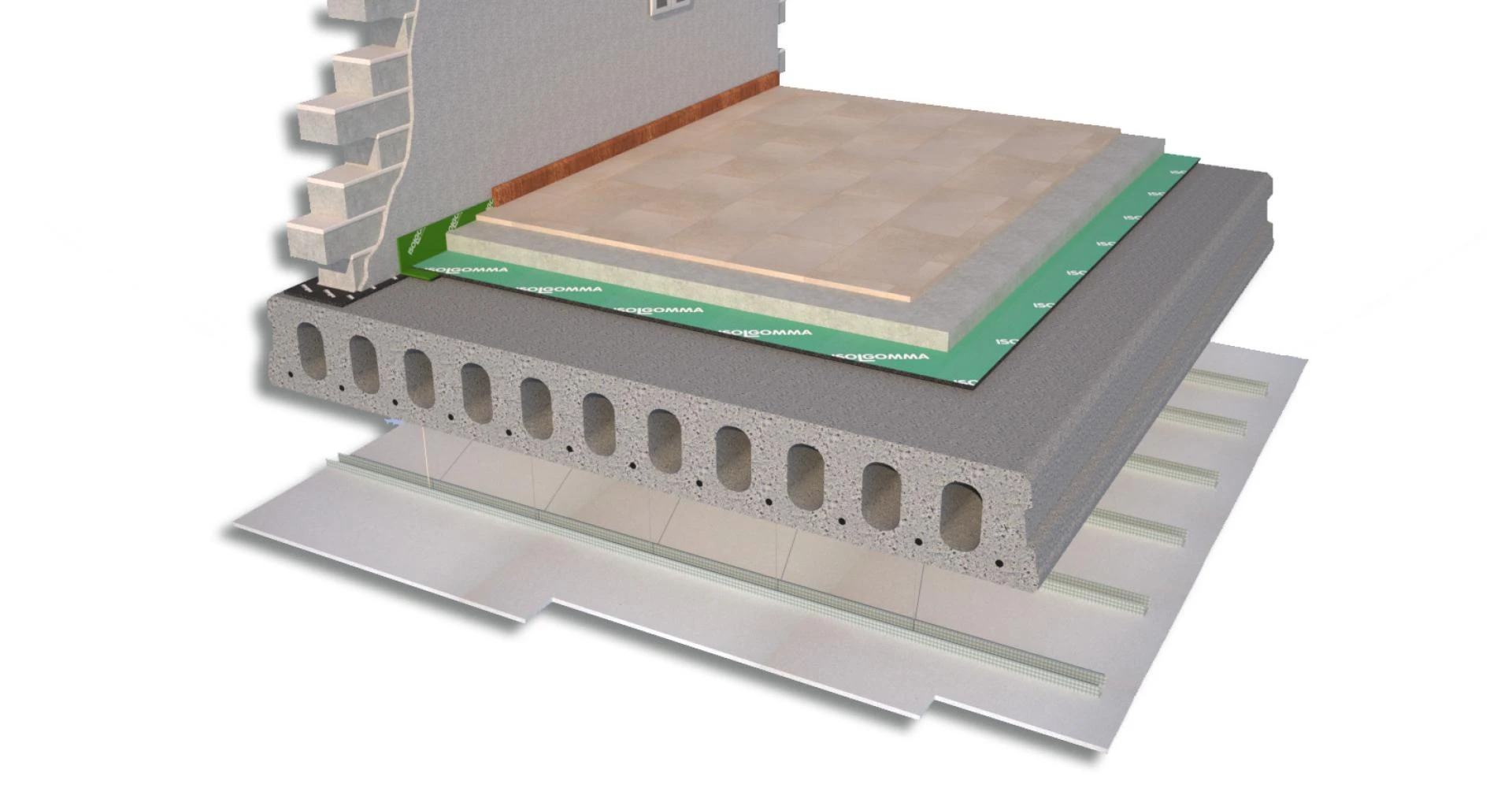
Use soundproofing underlays and insulating materials when needed. Carpet tiles or cork layers can also help reduce sound and improve thermal comfort.
🧼 9. Choosing High-Maintenance Materials Without Realizing It
Why it’s a mistake:
Some materials may look stunning but require constant cleaning, sealing, or special care, which many homeowners are not ready for.
How to avoid it:
Be realistic about your lifestyle. If you have kids or pets, avoid glossy tiles or soft wood. Opt for durable, low-maintenance finishes like matte porcelain, vinyl, or laminate.

🧳 10. Not Future-Proofing Your Flooring
Why it’s a mistake:
You may end up with flooring that wears out too fast or doesn’t align with potential resale needs or future décor plans.
How to avoid it:
Choose timeless materials and colors. Opt for neutral tones and durable quality that won’t go out of style in a few years.

✅ Bonus: Smart Planning Tips to Stay on Budget
- Plan by room priority: Focus your budget on high-traffic or high-visibility areas first.
- Avoid last-minute changes: Stick to your plan — design changes mid-renovation can be very expensive.
- Buy in bulk: For larger homes or multi-room renovations, purchasing bulk from the same batch ensures consistency and savings.
- Consider flooring sales or clearance stock: Great deals can be found if you plan.

🚪 Final Thoughts
Flooring is a major element of any home renovation, and mistakes can lead to long-term regrets. From choosing the right materials to proper installation, each step matters. That’s why involving a professional interior designer can make all the difference. They not only help you avoid common errors but also ensure your flooring complements the overall design of your space