
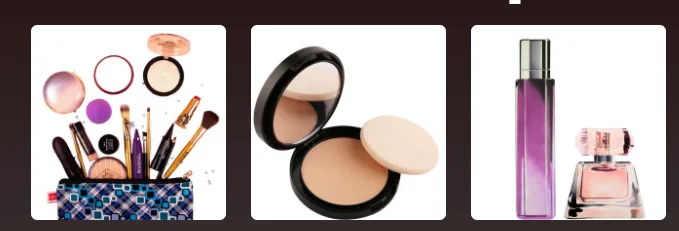
Finding a reliable cosmetic wholesaler Guwahati can be important for retailers, salons, beauty professionals, and resellers looking to maintain consistent inventory at competitive prices. Guwahati serves as an important commercial centre for Assam and the wider Northeast, making wholesale distribution particularly relevant for businesses that need regular access to skincare, haircare, makeup, personal-care, and grooming products.
Understanding the Cosmetic Wholesale Market
India's beauty and personal-care industry continues to expand rapidly. According to Euromonitor's latest available market assessment, India's beauty and personal-care retail sales increased by 9% in 2025, reflecting stronger consumer demand and changing purchasing habits. The market is being influenced by rising disposable incomes, greater interest in daily beauty routines, ingredient awareness, digital commerce, and demand for both mass-market and premium products.
Another 2026 market estimate places India's cosmetics market at approximately US$25.57 billion in 2025, with projections indicating continued growth through 2032. These trends create opportunities for wholesale suppliers serving retailers and professional buyers in cities such as Guwahati.
What Products Can Be Purchased Wholesale?
A wholesale cosmetic supplier may handle several categories, including:
- Skincare: Cleansers, moisturisers, face masks, toners, serums and sunscreens
- Haircare: Shampoos, conditioners, hair oils, masks and styling products
- Makeup: Foundations, concealers, powders, lip products, eye makeup and nail products
- Personal care: Body lotions, soaps, deodorants and bath products
- Professional beauty supplies: Salon-use products, treatment accessories and disposable items
- Grooming products: Shaving, beard-care and men's grooming essentials
Product selection should reflect local customer preferences rather than simply focusing on the largest possible inventory.
Why Wholesale Purchasing Matters
Buying through wholesale channels can help businesses obtain lower per-unit costs when purchasing larger quantities. It can also make inventory planning easier because retailers can establish regular purchasing schedules and maintain sufficient stock of fast-moving products.
For salons and beauty professionals, wholesale purchasing may be particularly useful because frequently used products need to be replenished regularly. Retailers, meanwhile, can use wholesale procurement to maintain a broader product range while managing their purchasing budget.
What to Check Before Choosing a Supplier
Price should not be the only consideration. Buyers should evaluate several factors before establishing a wholesale relationship.
Product authenticity is essential. Cosmetics should come through legitimate supply channels, with appropriate packaging and identifiable manufacturer or importer information.
Expiry dates and batch information should also be checked carefully. Businesses should avoid accepting stock with unusually short remaining shelf lives unless the purchasing terms clearly account for it.
Minimum order quantities are another important consideration. Smaller retailers may prefer suppliers offering flexible order sizes, while larger businesses may benefit from bulk discounts.
Buyers should also compare delivery schedules, payment terms, return policies, product availability, packaging condition, and invoice documentation.
Regulatory and Safety Considerations
Cosmetic products sold in India are subject to regulatory requirements. The Central Drugs Standard Control Organization explains that cosmetics are regulated under the Drugs and Cosmetics Act, 1940 and associated rules. Imported cosmetics are subject to registration through the central regulatory system, while manufacturing is regulated through the relevant licensing framework.
Wholesale buyers should therefore pay attention to labels, ingredient information, manufacturer or importer details, batch numbers, dates, and other required information. Maintaining purchase invoices and supplier records is also useful for business accountability.
Current Trends Buyers Should Watch
Consumer preferences are becoming more sophisticated. Ingredient transparency, skincare-focused routines, multifunctional products, natural and sustainability-oriented formulations, and premiumisation are influencing purchasing decisions. Euromonitor reported that premium beauty and personal care sales in India grew 15% in 2025, reaching approximately INR132.2 billion.
Digital discovery is also changing demand. Customers increasingly learn about products through social media, online reviews, educational content, and e-commerce platforms before purchasing them offline or online. This means retailers should monitor emerging categories rather than relying exclusively on traditional bestsellers.
How Retailers Can Manage Wholesale Purchases
Effective inventory management can prevent both overstocking and product shortages. Businesses should track sales by category, identify fast-moving products, monitor expiry dates, and reorder according to actual demand.
It is also useful to maintain a balanced product portfolio. Essential everyday products can provide consistent sales, while trend-driven and premium products may offer opportunities for higher-value transactions.
Conclusion
The growing Indian beauty market provides substantial opportunities for cosmetic retailers, salons, resellers, and professional buyers in Guwahati. Choosing a wholesale supplier should involve more than comparing prices. Product authenticity, regulatory compliance, inventory quality, delivery reliability, minimum order quantities, documentation, and customer demand should all be considered. With systematic purchasing and careful inventory management, businesses can respond more effectively to the expanding beauty and personal-care market.