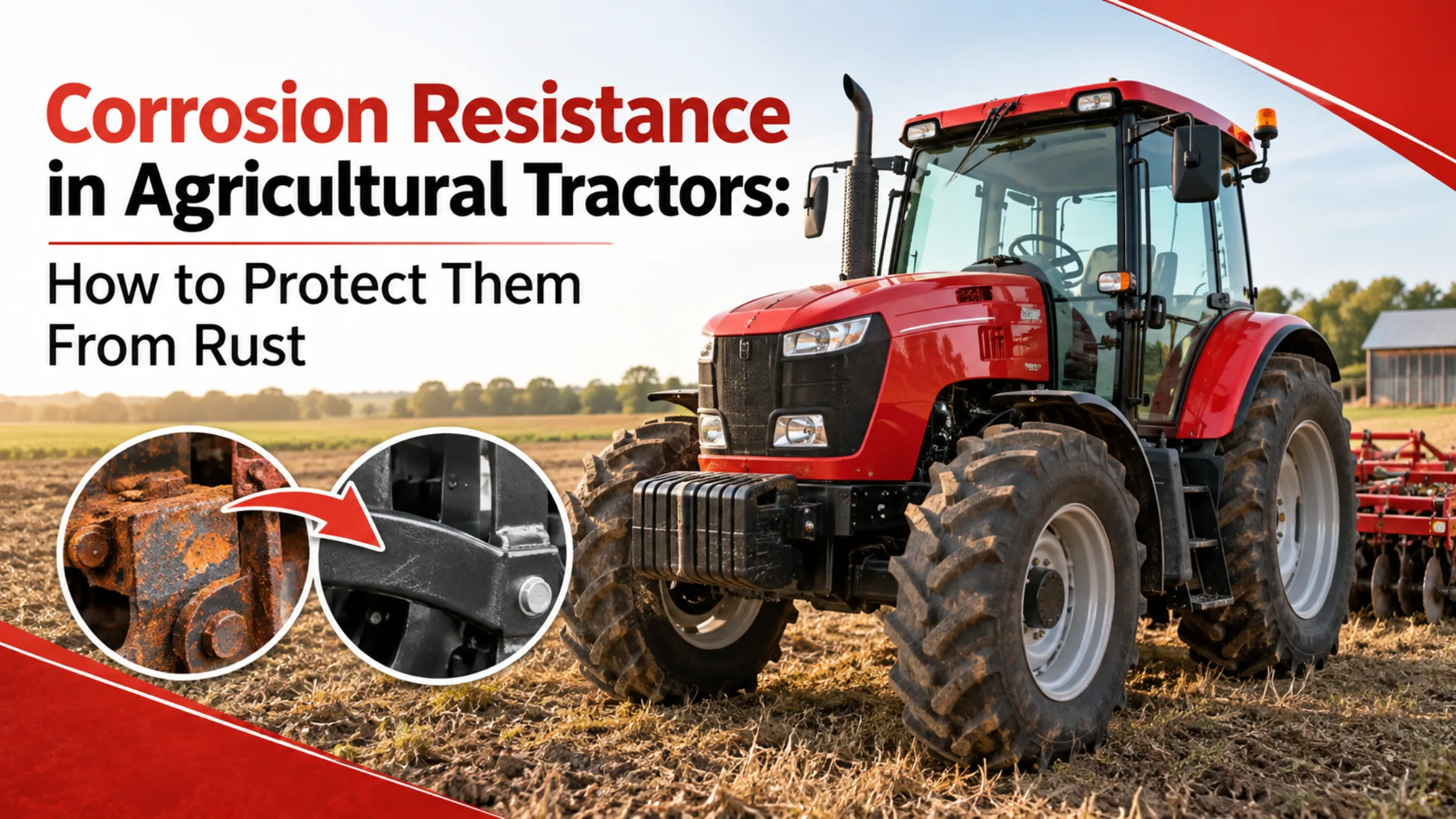
A tractor that spends years in mud, fertilizer, and rain can begin rusting long before its engine wears out. Preventing corrosion is one of the most cost-effective ways to extend the life of expensive farm equipment.
Also, a tractor is a major investment for any farm, but thanks to technological advances, tractors are now more durable. Corrosion on farm tractors is a constant issue due to changing weather, mud, and exposure to fertilizers and chemicals, even after a long day of work.
Bad maintenance and exposure to the elements can lead to tractor rust and corrosion, and eventually to very expensive repairs. Understanding corrosion resistance in agricultural tractors can help you avoid costly component failures and keep your tractor fully operational and highly efficient. Performing farm tractor repair service regularly can help you protect from corrosion and moisture when performing operations under difficult conditions.
According to the USDA, tractors are a significant investment. Proper maintenance saves money because it protects assets and lets tractors perform at full capacity longer. This blog examines corrosion resistance in agricultural tractors and the best practices for protecting machines from rust.
Why Corrosion Is A Serious Threat To Agricultural Tractors
Some people think rust is only an appearance problem. Although corrosion can affect appearance, it significantly compromises a component's structural integrity. Affected pieces also become less reliable and more costly to maintain.
Agricultural tractors operate in some of the harshest working environments and are routinely exposed to:
- Wet soil and mud.
- Road salt during transportation.
- Animal waste.
- Pesticides.
- Fertilizers.
- Rain and standing water.
- Humidity.
High humidity keeps metal surfaces damp, accelerating oxidation because it pairs with moisture and the wetness of exposed metal elements to spread corrosion. Farmers may not know that common rust spots include battery terminal brackets, battery terminal posts, and loader arm joints. Fertilizer residue hidden behind loader brackets is one of the first places corrosion starts.
If corrosion is left untreated, it can damage important components such as:
- Wheels and rims.
- Electrical connectors.
- Brake systems.
- Fasteners.
- Fuel tanks.
- Frames.
- Hydraulic systems.
- Chassis.
Replacing these parts is often far more expensive than preventing corrosion in the first place.
What Causes Rust On Agricultural Tractors?
Rust develops quickly when iron reacts with oxygen and moisture. Agricultural equipment is especially vulnerable because it is exposed to dirt, water, and chemicals almost every day. Several common factors contribute to corrosion problems in agricultural machinery.
Constant Moisture Exposure
Irrigation, morning dew, rainfall, and washing equipment that isn't allowed to dry completely can trap moisture in hidden areas. Water commonly collects around:
- Welds.
- Bolts.
- Engine compartments.
- Wheel hubs.
- Frame joints.
Over time, these damp areas become starting points for rust.
Fertilizers and Agricultural Chemicals
Certain fertilizers can erode metal surfaces. Liquid fertilizers and pesticides can remain on tractor surfaces after application. If not washed away and left on tractor surfaces, these can slowly corrode the tractor coatings and leave some surfaces exposed metal.
Mud and Organic Debris
Farm implements can show signs of corrosion as residue from crops, manure, leaves, and mud builds up on metal surfaces. These solid forms can trap moisture against the metal surfaces for long periods.
Choose Corrosion-Resistant Materials
Modern tractor manufacturers use stronger, more durable materials to improve corrosion resistance. One example is the enhanced corrosion resistance of cast iron after protective coatings are applied, which is used in selected engine components and structural parts.
Manufacturers frequently apply protective coatings to castings. These protective coatings are surface treatments designed to slow oxidation. Other treatments to improve rust protection include stainless steel, galvanized steel, powder coating, and advanced surface treatments.
Although no tractor is completely resistant to corrosion, higher-quality materials offer longer-lasting protection.
Wash Tractors After Heavy Work
The most effective corrosion-prevention strategy combines several simple maintenance habits. After working in muddy fields or applying fertilizers, wash your tractor thoroughly.
Be sure to check the following areas:
- Wheels
- Axles
- Undercarriage
- Loader arms
- Hydraulic cylinders
- Engine
- The three-point hitch
Do not allow mud or fertilizer residue to remain on metal surfaces. After washing, allow the tractor to dry completely before storing it. Dry equipment is much less likely to develop rust.
Apply Protective Coatings Regularly
Paint provides the first layer of defense against corrosion. Even small chips in the painted surface can expose bare steel, allowing rust to develop quickly. Inspect painted surfaces for cracks, stone chips, scratches, and peeling paint.
As soon as the painted surface shows signs of damage, it needs repair. To further protect painted surfaces, many equipment owners will apply rust inhibitors, corrosion-resistant sprays, underbody sealants, and protective wax coatings.
These products provide additional tractor corrosion protection against chemicals, moisture, and environmental exposure.
Lubricate Moving Parts
Grease does much more than reduce friction between moving components. It also forms an additional protective barrier that prevents moisture from reaching metal surfaces. Routine lubrication helps protect:
- Bearings.
- Universal joints.
- Linkage joints.
- Steering joints.
- Loader pins.
Following the manufacturer's recommended lubrication schedule helps improve rust protection for tractors. It is one of the best techniques for maintaining your farm equipment. Fresh grease also forces out any moisture that may have entered moving joints, helping prevent corrosion before it begins.
Protect Electrical Components
Electrical components often show signs of corrosion before mechanical parts do. Corroded electrical connectors can cause:
- Malfunctions in your vehicle's charging system.
- Problems with your lighting.
- Issues with your sensors.
- Problems starting your vehicle.
Check your battery connectors and electrical connectors regularly. Applying dielectric grease to electrical connectors can help prevent moisture from damaging your vehicle's electrical system.
Using a small amount of protective grease is far less expensive than replacing damaged wiring or electrical components.
Store Tractors Properly
Proper storage is an effective way to prevent rust on agricultural tractors. When possible, store tractor equipment in a clean, dry storage building. If storage is not possible, use tractor covers.
Park a tractor on a concrete surface rather than on soil. Do not store equipment near standing water. Ensure good airflow around stored machinery.
Never cover a tractor while it is still wet, as trapped moisture can accelerate rusting. Let farming equipment dry completely before placing protective covers over it.
Look for Rust Before It Grows
Only small patches of rust are easier to repair than widespread corrosion.
Regularly check the following parts for:
- Loader equipment.
- Exhaust configurations.
- Fuel storage systems.
- Hydraulic connectors.
- Base floor segments.
- Framed rails.
- Hitch mechanisms.
Don't panic if you see some surface rust.
- Remove any flaking rust.
- Sand it down.
- Seal it with a good-quality primer.
- Repaint the repaired surface.
- Apply an additional protective coating if necessary.
Taking care of small rust spots early helps prevent rust on tractors before large repairs become necessary.
Seasonal Maintenance Helps Prevent Corrosion
Corrosion can occur on a tractor over time, depending on seasonal use. In the spring, mud and fertilizer can accumulate on tractors. Summertime conditions can be dusty.
Rainy storms can trap moisture on the tractor. Fall leaves and organic debris blowing around can trap moisture against metal. In many regions, winter may expose equipment to road salt during transportation.
Adjust your maintenance routine throughout the year by performing more inspections during wet seasons and washing equipment more frequently after demanding field work.
Consistent seasonal maintenance helps keep corrosion-resistant tractors operating efficiently for many years.
Make Corrosion Prevention Part Of Your Maintenance Routine
The most effective corrosion-prevention strategy combines several simple maintenance habits rather than relying on a single solution. A good maintenance schedule must include the following:
- Washing every week during the farm's busy season.
- Monthly inspections on painted surfaces.
- Frequent lubrication.
- Any given opportunity to store indoors.
- Rust prevention every season.
- Immediate repair of paint damage.
- Annual inspection of underbody components.
These routine maintenance practices greatly reduce the likelihood of expensive corrosion repairs.
Achieve Better Tractor Protection Against Corrosion With Regular Farm Tractor Repair Service
Rust gradually worsens tractors' reliability and performance while increasing repair costs. Agricultural tractors can use protective coatings to resist corrosion, and lubrication can be supplemented with inspections to protect the tractor better.
These preventive maintenance practices also help minimize equipment downtime and extend the machinery's lifespan. These techniques keep the machinery working as needed, season after season. The best agricultural tractors from experienced tractor dealers in Texas provide quality equipment with high-grade materials that will increase the lifespan of your farm equipment. The result will be years of corrosion resistance for your investment.