
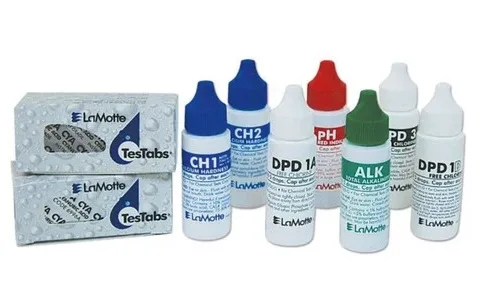
Water balance is a foundational aspect of maintaining a clean and comfortable swimming environment for everyday relaxation. Ensuring proper chemical harmony prevents irritation and protects structural components from premature wear.
Maintaining a stable aquatic ecosystem requires careful attention to various chemical parameters, with total alkalinity acting as the primary stabilizing buffer. Recognizing how different components interact helps in achieving a crystal-clear appearance throughout the swimming season.
- Regular testing establishes a reliable baseline for weekly maintenance routines.
- Proper balance protects pool liners, ladders, and filtration systems from corrosion.
- Balanced water enhances the overall comfort and enjoyment of routine swimming activities.
The Role of Alkalinity in Balance
Total alkalinity measures the concentration of alkaline substances, primarily bicarbonates and carbonates, dissolved in the water. These compounds act as a protective buffer against rapid shifts in acidity levels.
Without adequate buffering capacity, water chemistry becomes volatile, leading to sudden pH fluctuations that cause discomfort and scaling. Managing this parameter ensures that other sanitizing agents function at peak efficiency.
- Alkalinity acts as a chemical sponge to absorb sudden acidic changes.
- Stable levels prevent the water from becoming overly corrosive or scale-forming.
- Proper buffering minimizes the need for frequent, costly chemical adjustments.
Preparing Your Testing Equipment
Accurate assessment begins with utilizing a properly stored and unexpired diagnostic set for accurate chemical readings. Gathering tools beforehand streamlines the process and ensures consistent evaluation under identical conditions.
Environmental factors such as direct sunlight or moisture exposure can compromise indicator reagents over time. Taking precautions during sample collection guarantees that the water tested truly represents the entire basin, especially when handling a pool water test kit.
- Store diagnostic reagents in a cool, dry place away from direct sunlight.
- Collect water samples at elbow depth away from return jets and skimmers.
- Ensure hands are completely dry before handling any testing materials.
Step-by-Step Color Matching Techniques
Matching the reacted color sample to the reference guide requires patience and a keen eye for subtle hue variations. Subtle shifts in shade denote significant differences in parts per million, making precision critical for success.
Evaluating the results under consistent illumination prevents optical illusions caused by artificial bulbs or shadows. Taking time to compare gradients carefully avoids misinterpretations that could lead to improper dosing.
- Align the reacted sample directly beside the corresponding row on the chart.
- Perform evaluations under bright natural daylight to capture true hues.
- Avoid tilting or shaking test components during the final comparison phase.
Interpreting Total Alkalinity Ranges
Target concentrations typically fall between 80 and 150 parts per million, depending on the specific sanitation system used. Readings below this window indicate aggressive water, while elevated numbers signal potential cloudiness.
Understanding these numerical thresholds empowers individuals to make informed adjustments without guessing. Gradual corrections preserve long-term chemical equilibrium and safeguard the swimming environment.
- Low readings demand incremental increases using dedicated buffering agents.
- High readings require careful mitigation to prevent persistent scale buildup.
- Optimal ranges keep pH levels steady and reduce chemical maintenance efforts.
Monitoring Water Chemistry Parameters
Regular monitoring with an alkalinity test kit for pools provides deep insight into underground chemical shifts before they become visible. Routine tracking helps identify seasonal trends and weather-related impacts on water chemistry.
Establishing a consistent testing schedule ensures that minor imbalances are resolved swiftly. Consistency is the ultimate key to preserving a pristine, inviting atmosphere for relaxation.
- Test water chemistry at the same time each day for reliable data.
- Record numerical outcomes in a logbook to monitor long-term trends.
- Address minor discrepancies immediately before they escalate into major issues.
Final Best Practices and Conclusion
Sustaining a healthy aquatic retreat involves a harmonious blend of regular testing, proper circulation, and mindful upkeep. Mastering color chart evaluation removes guesswork from routine maintenance.
By following structured guidelines and relying on trusted accessories from Ever-Klear Pool Supply, anyone can achieve a beautifully balanced swimming environment all year round.
- Clean filtration systems regularly to support optimal water circulation.
- Keep detailed records of chemical additions and test outcomes.
- Prioritize safety and precision during every phase of water care.
Frequently Asked Questions
How often should total alkalinity be checked?
Total alkalinity should be tested at least once a week during peak swimming seasons to catch fluctuations early.
Why do test kit colors look different indoors?
Artificial lighting alters perceived hues, making natural daylight essential for accurate color matching.
Can expired test reagents still provide accurate readings?
Expired reagents lose their chemical sensitivity over time, resulting in unreliable color developments and inaccurate evaluations.