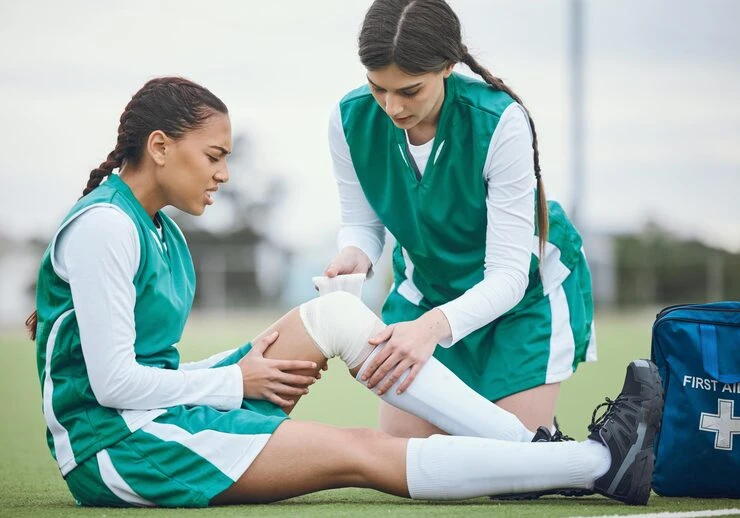
Injury can strike any athlete at any time, regardless of their level of talent or experience. Injuries happen to everyone in sports, from the novice to the elite athlete - and first aid for sport is a valuable and life-sustaining skill to have within your repertoire. That’s why sports first aid is such a valuable skill to possess. Knowing how to treat a victim immediately in the event of an accident can prevent exacerbation of injuries and, in some cases, save a life.
Understanding the Importance of First Aid for Sport
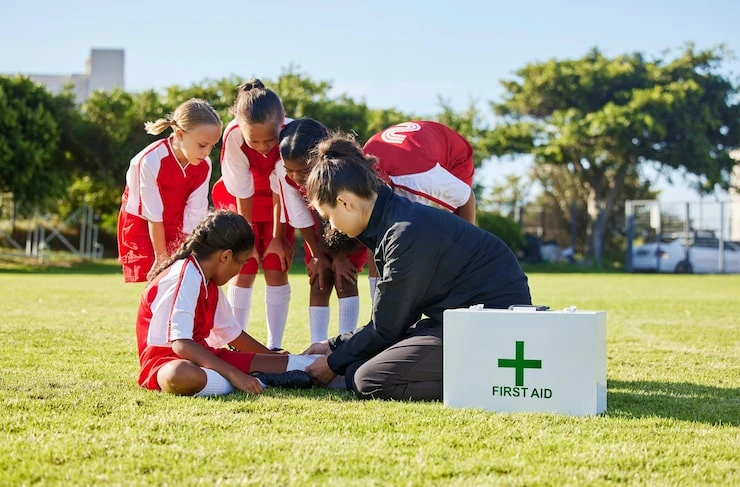
First aid for sport is now more than simply putting a plaster on a grazed knee or icing a sprained ankle. It includes several methods and procedures that aim to treat and handle injuries and damage during the practice of sport and in the immediate post-sport period. Sports-related injuries can be as simple as a small cut or bruise or as serious as a ligament tear, bone fracture, or concussion. With the knowledge of what to do in each situation, you can rest assured that the athletes in your care will receive appropriate treatment while being cared for by a professional.
Athletes who are trained in first aid for sports injuries can not only help themselves but also their teammates in an emergency. For instance, prompt treatment for a sprained ankle or a dislocated shoulder can lessen pain and swelling and decrease the risk of long-term injury.
Immediate Steps After an Injury
When an athlete gets injured, the first few minutes are crucial. Here’s a step-by-step guide to what every athlete should do immediately after injury:
Assess the Situation
Prior to providing any help, it is essential to assess the degree of injury. Look for signs such as intense pain, swelling, bleeding, or deformity. Get professional medical assistance at once if the wound seems to be bad.
Stop the Activity
Playing or practicing with an injury may make the injury worse. Stopping the activity immediately stops any further trauma to the site.
Apply Basic First Aid Measures
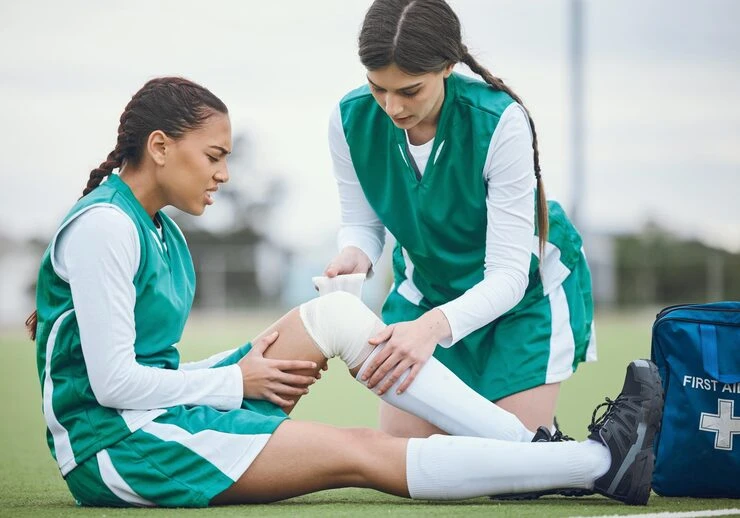
Basic first aid procedures are recommended for athletes, depending on the type of injury. The R.I.C.E. (Rest, Ice, Compression, Elevation) protocol is also very effective for sprains and strains. Clean the wound and cover it with a sterile dressing for cuts or abrasions. These procedures are the core of sports first aid.
Monitor for Symptoms of Serious Injury
Some injuries, including concussions or breaks, are followed by observation. Symptoms such as dizziness, confusion, severe pain or the inability to move an arm or leg are reasons why an athlete should stop playing and see a doctor at once.
Prevent Further Injury
Supportive devices like braces or splints can provide stability to the affected area. In addition, refraining from putting weight on the joint until it has fully healed also minimizes the potential for further damage.
Why Proper Training Matters
Knowing the basics is useful, but proper training is necessary if you want to effectively provide first aid for sports. The best first aid training will offer you full training in sports injuries, from emergency treatment through assessment of injury, to safe transportation. These programs provide athletes, coaches, and sports personnel with the confidence to act in critical moments.
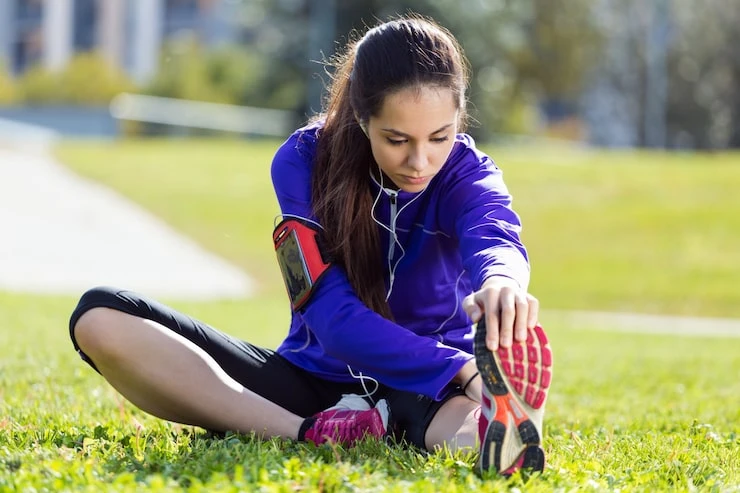
Numerous associations, as well as sports clubs, are now turning to corporate safety training in Denmark to give their athletes and employees the best chances of success. This type of education is often about more than just treatment of injuries, but also prevention, including warm-up routines, hydration practices, and use of equipment, which together can lessen the risk of injuries.
Types of Sports Injuries and How to Handle Them
Sports injuries can vary significantly in severity and type. Understanding the appropriate response for each injury is an essential part of first aid for sports injuries:
- Strains and Sprains: These two are the most common injuries in sports. R.I.C.E.—rest, ice, compression, and elevation has been the standard immediate treatment.
- Fractures: If you think there’s a fracture, immobilize the area and get medical help immediately. Don’t attempt to straighten the bone, as this could do more harm.
- Concussions: Monitoring. All head injuries should be watched closely. Symptoms such as headache, dizziness, or confusion warrant immediate removal from play and evaluation by a medical professional.
- Cuts and Abrasions: Clean the wound with an antiseptic, cover with a sterile dressing, and watch out for infection.
By understanding these common injuries and knowing how to respond, athletes can minimize downtime and accelerate recovery. This is precisely why first aid for sports knowledge is indispensable.
Preventing Injuries Through Education and Training
Although a prompt response to an injury is important, prevention is still the best medicine. Athletes, coaches, and sports organizations would be wise to spend their resources on the best first aid training. Topics taught usually include avoiding injuries, correct technique, and how to respond in an emergency.
In addition, corporate safety training in Denmark focuses on raising safe sport awareness among educators and participants, who are taught to identify risks and to put safety measures in (daily) practice, as well as extend them to managing emergencies. Those who educate safely tend to be less injured and recover more rapidly.
Conclusion
Every player should be aware that injuries go with sports, but it is how we react the one that really makes the difference. Prompt action and good knowledge based on first aid for sport can stop a minor injury from becoming a major problem. From following the R.I.C.E. protocol to recognizing symptoms that warrant a trip to the doctor, these steps are critical for anyone with an active lifestyle.
First aid training for sports injuries and participating in the best first aid courses allows athletes to be confident when faced with a situation where they need to manage a crisis. We recommend corporate safety training in Denmark for your business to prepare both athletes and staff in sport for a safer, more accountable sports community.
When first aid training becomes part of normal sports practice, athletes are looking out for themselves and each other, helping to create an environment that is safer and more aware. After all, the ability to take care of yourself right after an injury isn’t just a skill, it's a long-term health and performance game-changer.