
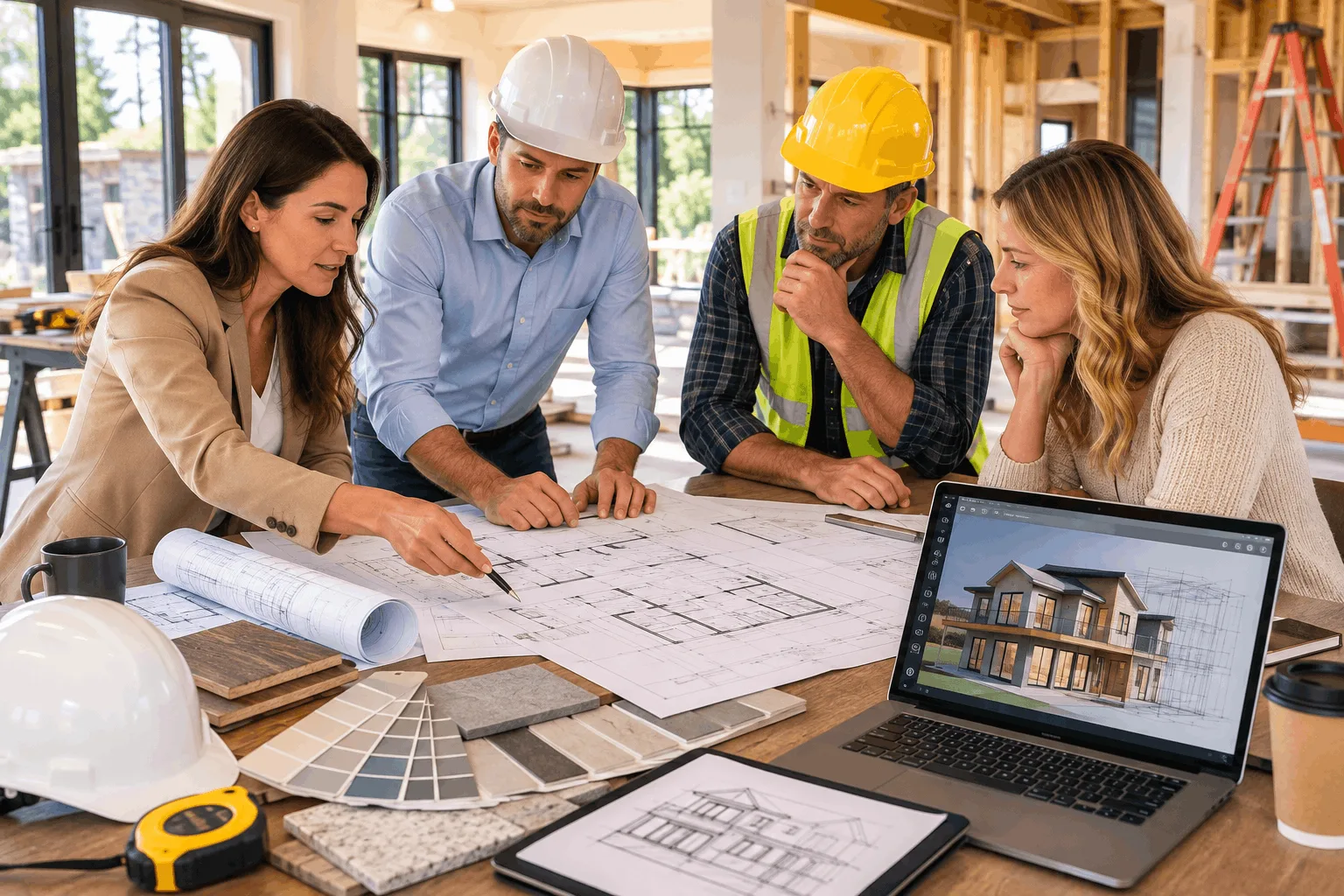
Construction, renovation, and repair projects often involve more decisions than property owners initially expect. A project may begin with a simple goal, such as repairing damage, renovating a property, improving a building, or preparing for construction. But once planning begins, questions about scope, materials, contractors, costs, scheduling, permits, and potential problems can quickly become complicated.
For property owners considering consulting services in Mobile AL, professional guidance can provide a clearer way to evaluate a project before major work begins.
A construction consultant can help property owners understand the condition of a property, define project goals, identify potential concerns, organize information, and make better-informed decisions. The exact services depend on the project and the consultant's qualifications, but the overall purpose is to help reduce uncertainty during planning and construction.
This guide explains what construction consulting can involve, when property owners may benefit from it, and how professional guidance can help make construction and repair projects more organized.
What Are Construction Consulting Services?
Construction consulting involves providing professional advice, analysis, planning, or project guidance related to construction, renovation, repair, or property improvement.
A consultant may work with a homeowner, property owner, investor, business owner, or other client before or during a project.
Depending on the situation, consulting may involve:
- Reviewing project goals
- Assessing existing conditions
- Identifying potential construction concerns
- Helping define the project scope
- Reviewing contractor proposals
- Comparing possible approaches
- Developing or reviewing budgets
- Coordinating information between parties
- Helping evaluate project schedules
- Monitoring progress
- Identifying potential issues
- Providing recommendations
Not every consultant provides all of these services. Property owners should understand exactly what is included before hiring a consultant.
Why Property Owners May Need Professional Guidance
A construction project can involve several parties at the same time.
For example, a renovation may involve:
Property owner → consultant → architect/designer → contractor → subcontractors → suppliers
Each party may have a different responsibility.
Without clear planning, property owners can sometimes struggle to understand what work is actually required, whether proposals are comparable, or why costs and schedules change.
Professional guidance can help organize the decision-making process.
The goal is not necessarily to make every project more complicated. Instead, good consulting should help make complicated projects easier to understand.
When Should You Consider Consulting Services?
Consulting can be useful at different stages of a construction or repair project.
Before Starting a Project
Consulting before construction begins can help identify important questions early.
For example:
- What exactly needs to be repaired?
- What improvements are being considered?
- What is the expected scope of work?
- Are there potential site or building concerns?
- What professionals may be required?
- What information should contractors receive?
Addressing these questions early can help create a clearer starting point.
When Comparing Contractor Proposals
Property owners may receive multiple estimates that appear very different.
One contractor might include certain materials or tasks that another excludes. One proposal may provide detailed information while another provides only a general price.
A consultant may help the property owner understand what each proposal includes and identify areas that may need clarification.
This does not necessarily mean choosing the cheapest proposal. The objective is to understand the differences before making a decision.
During Renovation or Repair
Consulting can also be useful after construction begins.
Unexpected conditions may be discovered when walls, floors, ceilings, or other areas are opened.
For example, a repair project may reveal:
- Hidden water damage
- Deteriorated materials
- Previous improper work
- Unexpected structural conditions
- Electrical or plumbing concerns
- Differences between existing conditions and original plans
A consultant may help the property owner understand the issue and determine what additional information or professional evaluation is needed.
How Consultants Help Define Project Scope
One of the most important parts of construction planning is defining the scope of work.
The scope describes what the project is expected to include.
For example, a property owner may initially say:
"I want to renovate this room."
That goal is too broad to create a useful construction plan.
A more defined scope might identify:
- Which areas will be renovated
- Which materials will be removed
- Which surfaces will be repaired
- What finishes will be installed
- Whether plumbing or electrical work is included
- Whether structural changes are planned
- What work is excluded
A clearer scope can make it easier for contractors and other professionals to understand what is expected.
It can also make proposals easier to compare.
Budget Planning and Cost Considerations
Construction costs can vary significantly depending on the size and complexity of a project.
Factors may include:
- Materials
- Labor
- Property condition
- Project complexity
- Site conditions
- Design requirements
- Permitting
- Specialty trades
- Demolition
- Unexpected conditions
A consultant can help property owners think about these factors before committing to a project.
However, consulting does not guarantee a specific final construction cost.
Unexpected conditions can change the scope of work, especially during renovation and repair projects.
A realistic planning process should therefore consider the possibility of additional costs rather than assuming the initial estimate will never change.
Helping Property Owners Understand Contractor Proposals
Contractor proposals can contain technical language that is difficult for someone without construction experience to interpret.
A proposal may include:
- Labor
- Materials
- Allowances
- Exclusions
- Change orders
- Project schedules
- Payment terms
- Warranty information
- Specific construction tasks
Property owners should understand what they are agreeing to before work begins.
Professional guidance can help identify questions that should be asked before accepting a proposal.
For example:
- Is demolition included?
- Who provides the materials?
- Are permits included?
- What happens if hidden damage is discovered?
- What work is specifically excluded?
- How will changes be handled?
- What is the expected schedule?
Clear questions at the beginning can reduce misunderstandings later.
Project Scheduling and Coordination
Construction projects often depend on multiple tasks happening in the correct order.
For example:
Inspection → planning → permitting → demolition → repairs → installation → finishing
A delay in one stage can affect later stages.
Consulting support may help property owners understand project sequencing and identify dependencies between different tasks.
This can be particularly useful when several contractors or trades are involved.
However, the consultant's actual responsibilities should be clearly defined. Some consultants provide advice only, while others may offer broader project coordination or management services.
Identifying Problems Before They Become Bigger Issues
One potential advantage of professional guidance is identifying concerns earlier.
For example, a property owner planning a renovation may discover that an existing problem needs to be addressed before cosmetic improvements are completed.
Examples include:
- Moisture intrusion
- Drainage concerns
- Deteriorated materials
- Structural concerns
- Aging systems
- Poor previous repairs
- Code or permit questions
Addressing underlying problems before installing new finishes can help prevent situations where newly completed work has to be removed or redone.
Consulting for Older Properties
Older properties can present additional planning challenges.
Previous renovations may have changed the original building systems, and records may be incomplete.
Property owners may encounter:
- Older materials
- Previous repairs
- Multiple layers of finishes
- Outdated systems
- Hidden modifications
- Deterioration
- Differences between current conditions and available documentation
A careful assessment can help establish what is actually present before a major renovation begins.
If specialized issues are discovered, the consultant may recommend involving an appropriately qualified architect, engineer, contractor, inspector, or other specialist.
What to Look for When Choosing a Consultant
Not every construction consultant has the same background or provides the same services.
Before hiring one, consider:
Relevant Experience
Look for experience with projects similar to yours.
A consultant who regularly works on commercial construction may not provide the same type of expertise as someone focused on residential renovations.
Clearly Defined Services
Ask exactly what the consultant will do.
Will they provide an assessment, review proposals, help with planning, monitor work, or provide project management?
Appropriate Qualifications
Depending on the project, specialized professional credentials or licensing may be important.
For structural, architectural, electrical, plumbing, environmental, or other technical issues, the appropriate licensed or qualified professional may need to be involved.
Clear Fees
Understand how consulting services are charged and what is included.
Fees may vary depending on the size, complexity, duration, and scope of the project.
Communication
Good communication is important throughout a construction project.
A consultant should be able to explain technical issues in a way that allows the property owner to make informed decisions.
Questions to Ask Before Hiring a Construction Consultant
Before starting a consulting relationship, property owners can ask:
- What types of projects do you typically consult on?
- What services are included?
- What is outside the scope of your services?
- How are consulting fees calculated?
- Do you review contractor proposals?
- Do you provide site visits?
- Do you coordinate with contractors or other professionals?
- What happens if unexpected conditions are discovered?
- What documentation or reports will I receive?
- Will other licensed professionals be needed for any part of the project?
Getting clear answers can help establish realistic expectations.
Final Thoughts
Construction and repair projects involve more than selecting materials and hiring a contractor. Property owners may need to make decisions about scope, budget, scheduling, existing conditions, proposals, repairs, and unexpected problems.
For property owners considering consulting services in Mobile AL, professional guidance can provide another layer of planning and decision support.
A good consultant should not simply add another step to the construction process. The value comes from helping the property owner understand the project, identify important questions, compare options, and make decisions based on the actual conditions and goals of the property.
The most useful approach is to seek guidance early when the project is still being defined, while also involving the appropriate licensed or qualified professionals when specialized work is required.
Whether the project involves a small repair, major renovation, property improvement, or new construction, better planning can make it easier to understand what needs to be done, who needs to do it, and what questions should be answered before work begins.
Also Read:
Water Damage Repairs in Mobile AL: How Hidden Damage Can Affect Your Home