Cosmetic surgery has become a more openly discussed option for people who want to address a feature they have been concerned about for years, reshape certain areas of the body, or make changes that feel more aligned with how they see themselves.
But being interested in a procedure and being ready for surgery are two different things.
Whether you are considering rhinoplasty, liposuction, breast surgery, a facelift, or another aesthetic procedure, the decision deserves careful thought. Understanding your motivation, expectations, health and recovery requirements can help you decide whether cosmetic surgery is appropriate for you.
Here are seven important questions to consider before moving forward.
1. What Do You Actually Want to Change?
Start by being specific about what concerns you.
Rather than thinking, “I want to look better,” identify the particular feature or area you would like to address. It could be the shape or proportion of your nose, stubborn areas of fat, changes following pregnancy or weight loss, or signs of ageing.
A clear concern makes it easier to have a meaningful conversation with a surgeon and understand what a procedure can realistically achieve.
For example, someone considering Rhinoplasty in Whitefield should be able to explain what they would like to change about the appearance or structure of the nose rather than simply asking for a completely different look.
2. Are You Expecting Improvement or Perfection?
One of the most important parts of cosmetic surgery planning is having realistic expectations.
Surgery can improve proportions, contour or particular physical concerns, but it cannot create perfection. Every person's anatomy, skin quality, healing response and facial or body proportions are different.
A well-planned procedure should therefore be based on what can reasonably be achieved for your individual anatomy.
Before surgery, ask your surgeon what changes are realistic, what limitations exist and how the expected result may develop over time.
3. Is the Decision Completely Yours?
Cosmetic surgery should be a personal decision.
Pressure from a partner, comments from friends, beauty trends or social-media images should not become the main reason for undergoing a surgical procedure.
Ask yourself a simple question:
Would I still want this procedure if nobody else had commented on my appearance?
If the answer is yes and the concern has been consistent for some time, it may be worth exploring further through a professional consultation.
If the decision feels sudden or is mainly driven by outside pressure, taking additional time before proceeding can be valuable.
4. Are You Physically Ready for Surgery?
Your general health plays an important role in determining whether a cosmetic procedure is appropriate.
Before recommending surgery, a surgeon may review your medical history, current medications, previous procedures and any health conditions that could influence surgery or healing.
Depending on the procedure, medical evaluation or investigations may also be required.
This is one reason consultation with an expert plastic surgeon in Bangalore is an important part of the decision-making process. Suitability should be assessed individually instead of assuming that the same procedure is appropriate for everyone.
5. Have You Thought About Recovery?
People often spend considerable time thinking about the procedure and final result but much less time planning for recovery.
Recovery can affect work, exercise, driving, household responsibilities and everyday activities for a period of time. Swelling and bruising can also take time to settle, and the final outcome of some procedures may develop gradually.
Before choosing surgery, understand:
- How much downtime may be required
- When you can return to work
- When exercise can resume
- Whether you will need help at home
- What post-operative care is required
- How frequently follow-up appointments may be needed
Planning these details before the procedure can make the recovery period easier to manage.
6. Do You Understand Your Procedure?
“Cosmetic surgery” covers many different procedures, each designed to address different concerns.
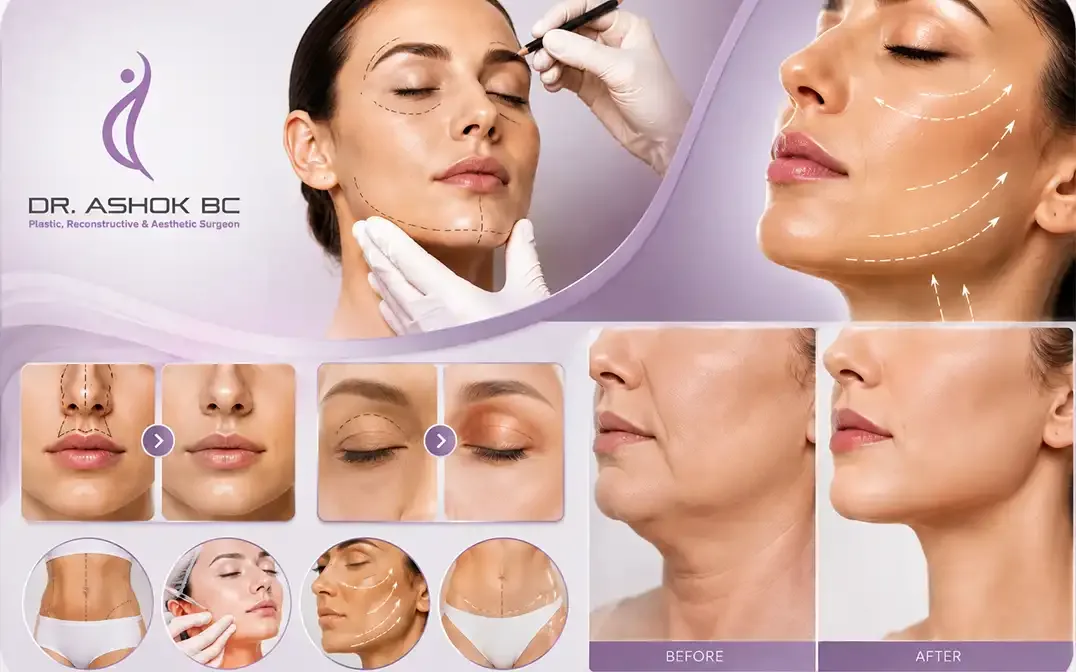
Facial procedures may include rhinoplasty, eyelid surgery or facelift surgery. Body-contouring procedures may include liposuction and tummy tuck surgery, while breast procedures can address concerns relating to size, shape or proportion.
Before deciding, understand exactly what the recommended procedure involves.
Your consultation should cover the proposed technique, anaesthesia, expected recovery, possible risks, scars where applicable, expected outcome and alternative approaches.
Do not hesitate to ask questions. Understanding what will happen before, during and after surgery is an important part of informed decision-making.
7. Have You Chosen the Surgeon Carefully?
Selecting a surgeon should involve more than comparing prices or viewing social-media photographs.
Look at the surgeon's qualifications, plastic-surgery training, experience with the procedure you are considering and approach to patient safety.
A good consultation should also feel like a discussion rather than a sales conversation.
The surgeon should take time to understand your concerns, evaluate your anatomy, explain realistic possibilities and discuss potential risks. You should also feel comfortable asking questions or requesting clarification before making a decision.
What Can Cosmetic Surgery Potentially Improve?
Depending on the procedure and individual circumstances, cosmetic surgery can address concerns involving facial proportion, body contour, breast size or shape, and age-related physical changes.
Some patients may also feel more comfortable or confident about a feature that has concerned them for a long time.
However, the purpose of surgery should not be to fit a universal beauty standard. Treatment planning should focus on the individual's anatomy, goals and realistic possibilities.
What About the Risks?
Every surgical procedure carries potential risks.
These can vary depending on the operation and individual health factors and may include bleeding, infection, scarring, reactions related to anaesthesia, changes in sensation or dissatisfaction with the outcome.
Discussing these possibilities does not mean that complications will occur. It allows you to understand the procedure more completely and make an informed decision.
Following pre-operative and post-operative medical instructions is also an important part of surgical care.
Cosmetic Surgery vs Reconstructive Surgery
Although the terms are sometimes used interchangeably, cosmetic and reconstructive surgery serve different purposes.
Cosmetic surgery is generally performed to change or enhance appearance according to a person's aesthetic goals.
Reconstructive plastic surgery focuses on restoring form or function following injury, disease, congenital conditions or other medical problems.
A qualified plastic surgeon may work across both areas, but the reason for treatment and surgical planning can differ considerably.
Take Time Before You Decide
There is no need to rush a decision about cosmetic surgery.
Being a suitable candidate involves more than wanting to change your appearance. Your health, motivation, expectations, understanding of the procedure and willingness to follow the recovery plan all matter.
A detailed consultation can help you understand what is possible, what limitations exist and whether surgery is appropriate for your individual situation.
The right decision is ultimately an informed one—made with realistic expectations, adequate medical guidance and enough time to consider what is right for you.
Frequently Asked Questions
How do I know if I am suitable for cosmetic surgery?
Suitability depends on factors such as your general health, expectations, reason for considering surgery and the specific procedure involved. A clinical evaluation is required to determine whether surgery is appropriate.
How long does cosmetic surgery recovery take?
Recovery varies significantly between procedures and patients. Some treatments involve relatively short downtime, while others require several weeks before certain activities can be resumed.
Are cosmetic surgery results permanent?
It depends on the procedure. Many surgical changes can be long-lasting, but ageing, weight changes, pregnancy and other factors can influence results over time.
Is cosmetic surgery the same as plastic surgery?
Plastic surgery is a broader surgical specialty that includes both reconstructive and aesthetic procedures. Cosmetic surgery specifically focuses on procedures performed primarily to change or enhance appearance.
What should I ask during my first consultation?
Ask about the surgeon's qualifications and experience, the recommended procedure, expected outcome, risks, recovery period, alternatives and what you should realistically expect from treatment.