When people start searching for a hair transplant in Dubai, most begin with two simple questions: How much does it cost? And how many grafts will I get?
These questions are understandable. Price and graft numbers are easy to compare, and many clinics highlight them as the main parts of their offers. However, choosing the right clinic is not the same as choosing a simple service. A hair transplant is a medical procedure that requires planning, experience, and a clear understanding of how hair loss changes over time.
A patient shared his experience in the Dubai community on Reddit while researching hair transplant options. His main concern was not only finding a clinic but understanding which providers focused on proper consultation, realistic expectations, and medical quality. The discussion showed a common concern among people looking for treatment in Dubai: many clinics may offer similar procedures, but the approach, planning, and level of care can be very different.
This is why comparing hair transplants in Dubai requires looking beyond attractive prices and large graft numbers. A successful result depends on several connected factors, including the surgeon’s expertise, hairline design, donor hair management, safety standards, and aftercare support.
A clinic that understands your individual situation will usually focus on creating a suitable long-term plan rather than simply offering the highest number of grafts.
Why Price and Graft Count Are Not Enough to Choose a Clinic
Graft numbers are one of the most discussed topics before a hair transplant. Many people believe that more grafts automatically mean better results. However, this is one of the biggest misunderstandings in hair restoration.
A graft is a group of hair follicles taken from a donor area, usually the back or sides of the scalp, and transplanted into areas affected by thinning or baldness. The number of grafts needed depends on the patient’s level of hair loss, donor density, hair thickness, and the area being treated.
For example, a person with mild recession around the temples may need a completely different approach compared with someone experiencing advanced frontal and crown thinning. Both patients may receive successful results, but their treatment plans should not be identical.
The International Society of Hair Restoration Surgery (ISHRS) 2025 Practice Census reported that the average number of grafts used in a first hair restoration procedure was 2,347 grafts. The report also showed that FUE procedures averaged around 2,262 grafts.
These numbers represent industry trends, not a recommendation for every patient.
A qualified hair restoration specialist should first examine the patient’s condition before deciding how many grafts are appropriate. The focus should be on achieving a natural appearance while protecting the donor area for future needs.
A clinic that immediately promotes a large graft package without explaining why that number suits the patient may not always be offering the most suitable solution.
The Surgeon’s Experience Should Come Before the Package Price
When comparing hair transplant clinics, many people first look at packages because they are simple to understand. A package may include a certain number of grafts, a procedure type, and a price.
However, the most important factor is the medical professional responsible for planning the procedure.
Hair transplantation requires more than technical skills. It requires understanding hair growth patterns, facial proportions, scalp conditions, and future hair loss progression. The surgeon’s decisions can influence whether the final result looks natural or artificial.
Dubai has a regulated healthcare system with specific standards for hair transplant services. The Dubai Health Authority (DHA) has published standards for hair transplant services covering healthcare facilities and professionals working under its jurisdiction. These standards are designed to support safe, high-quality, and ethical healthcare practices.
For patients comparing clinics in Dubai, understanding who is responsible for their treatment is important.
A patient should know who will evaluate their hair loss, who will design the hairline, who will perform the surgical steps, and who will provide follow-up care after the procedure.
A modern clinic with advanced equipment can support treatment, but technology alone cannot replace medical judgment and experience.
Hairline Design Plays a Major Role in Natural Results
Many patients focus on density because they want thicker hair. However, the hairline often has the biggest impact on whether a transplant looks natural.
The hairline frames the face, which means small mistakes can become noticeable. A hairline that is too straight, too low, or poorly matched with the patient’s facial structure can make a transplant appear unnatural.
An experienced surgeon considers several factors before designing a hairline. These include the patient’s age, facial proportions, current hair pattern, donor availability, and the possibility of future hair loss.
A natural hairline is not perfectly straight. It usually contains small irregularities and gradual transitions that help it blend with existing hair. The direction and angle of transplanted follicles also matter because natural hair grows in specific patterns.
One common mistake is focusing only on how the hairline looks immediately after surgery. A good plan should consider how the patient may look several years later.
For example, creating a very low hairline may require more grafts at the front. If the patient continues losing natural hair in the future, this approach may create an imbalance between transplanted and existing hair.
A skilled surgeon focuses on creating a result that remains natural as the patient ages.
Donor Area Management Determines Future Options
The donor area is one of the most important parts of a hair transplant because it provides the follicles used during restoration.
Many patients focus mainly on where the new hair will be placed, but donor protection is equally important. Donor hair is limited, and poor planning can affect future treatment possibilities.
A surgeon should evaluate donor density, hair quality, scalp condition, and the number of follicles that can safely be removed.
The goal is not to extract the maximum number of grafts possible. The goal is to use donor hair carefully while maintaining a balanced appearance.
The ISHRS 2025 Practice Census highlights the importance of donor management by showing that scalp donor areas remain the main source used in modern hair restoration procedures.
Patients should be cautious if a clinic focuses heavily on large graft numbers but does not explain how donor resources will be protected.
A successful transplant should improve appearance today while keeping future options available.
FUE Is Common, But It Is Not Automatically the Best Choice
Follicular Unit Extraction, commonly known as FUE, has become one of the most popular hair transplant techniques.
During FUE, individual follicular units are removed from the donor area and placed into areas where hair restoration is needed. Many patients prefer this method because it usually involves small extraction points and can suit different types of hair loss.
The ISHRS 2025 Practice Census reported that FUE harvesting was used in 85.4% of male procedures among participating members.
However, popularity alone should not decide the technique.
The right method depends on the patient’s hair loss pattern, donor characteristics, previous procedures, and long-term goals. A technique that works well for one person may not provide the same advantages for another.
Patients should also be careful with exaggerated marketing claims. The International Society of Hair Restoration Surgery (ISHRS) has warned against misleading phrases such as “scar-free hair transplant” because surgical procedures involve the skin and can leave some level of scarring.
Understanding the benefits and limitations of each technique helps patients make decisions based on medical suitability instead of advertising.
How to Verify Hair Transplant Clinic Safety in Dubai Before Making a Decision
Safety should be one of the first things people consider when comparing clinics. A hair transplant may improve appearance, but it is still a surgical procedure that requires trained professionals, proper medical standards, and a suitable healthcare environment.
Dubai has a regulated healthcare system, and the Dubai Health Authority (DHA) has created specific standards for hair transplant services. These standards cover requirements for healthcare facilities and professionals involved in providing hair restoration procedures. The DHA has published updated standards for hair transplant services to support safe and ethical practices within Dubai’s healthcare sector.
For someone considering hair transplants in Dubai, checking whether a clinic follows these standards is an important part of making an informed decision. Patients should understand who will manage their treatment, who will evaluate their hair loss, who will design their hairline, and who will perform the surgical steps.
This level of transparency matters because the hair restoration industry has also faced concerns related to unqualified providers. The International Society of Hair Restoration Surgery (ISHRS) has highlighted the risks associated with illegal and unlicensed hair transplant practices worldwide. Its research found that 59% of ISHRS members reported the presence of black-market hair transplant clinics in their cities. The organization also reported that repair cases connected to previous black-market procedures reached an average of 10% in 2024, compared with 6% in 2021.
These numbers show why patients should not select a clinic only because it offers a low price or a large package. A poorly planned procedure can result in unnatural hairlines, donor area problems, or the need for corrective treatment in the future.
How to Evaluate Before-and-After Hair Transplant Results
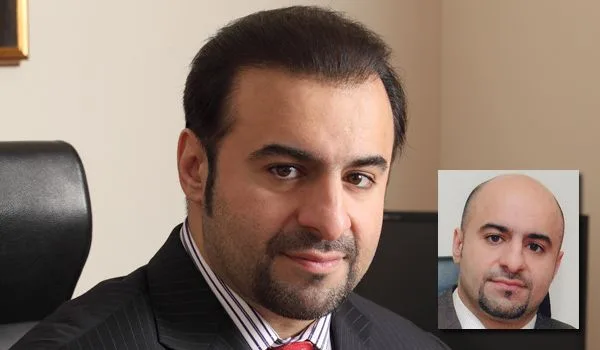
Before choosing a clinic, most patients spend time reviewing before-and-after photographs. These images can provide useful information, but they need careful evaluation.
A successful transplant is not only about adding more hair. The final result should look natural, match the patient’s facial structure, and blend with existing hair.
When comparing results, patients should focus on cases that are similar to their own situation. Someone with mild temple recession should not judge their expected result by looking only at cases involving advanced baldness and thousands of grafts.
The timing of photographs is also important. Hair restoration is a gradual process, and the final appearance usually develops over several months. Images taken shortly after surgery may not represent the true outcome.
A useful comparison includes looking at the hairline design, density, donor area appearance, and overall balance. Patients should also consider whether the clinic explains the details behind each case or only displays selected images.
Social media can help people discover clinics, but it should not be the only source used for a medical decision. Many online platforms highlight exceptional results while providing limited information about average patient outcomes.
Taking time for proper research helps people understand realistic expectations instead of choosing based only on impressive photographs.
Why the Consultation Process Reveals Clinic Quality
The consultation is one of the most important stages when comparing clinics because it shows how the medical team approaches each patient.
A proper consultation should begin with understanding the reason behind hair loss. The doctor should discuss when hair loss started, family history, previous treatments, medical background, and the patient’s expectations.
The scalp and donor area should also be evaluated before recommending a procedure.
The StatPearls medical reference explains that proper patient selection is an essential part of hair restoration because doctors need to identify the type of hair loss, evaluate donor hair availability, and understand whether the patient’s expectations are realistic.
This matters because not every person experiencing hair loss is immediately suitable for transplantation. Some patients may need other treatments first, while others may benefit from waiting until their hair loss pattern becomes more stable.
A professional consultation should include honest conversations about limitations. A responsible surgeon explains what can realistically be achieved instead of making unrealistic promises.
Patients should be cautious if a clinic immediately recommends a large graft number without first understanding their individual situation.
Comparing Aftercare and Long-Term Support
The quality of care after surgery is another important factor when comparing hair transplant clinics.
A transplant does not end when the procedure is completed. Recovery plays a major role in protecting transplanted follicles and helping patients understand what changes are normal during healing.
Patients should know how follow-up appointments work, who they can contact if concerns appear, and whether the doctor reviews their progress after surgery.
The early recovery period can sometimes create anxiety because patients may experience redness, swelling, or temporary shedding. Proper instructions and medical guidance help patients understand these changes.
Long-term support is also important because hair loss can continue after transplantation. The transplanted follicles may remain permanent, but natural hair around them can continue thinning depending on the individual’s condition.
A good treatment plan considers the future instead of focusing only on immediate improvement.
Why the Cheapest Hair Transplant Option May Not Be the Best Choice
Cost is an important consideration for many people looking for hair transplants in Dubai. Everyone has a budget, and comparing prices is a normal part of decision-making.
However, choosing a clinic only because it offers the lowest price can create problems.
Different clinics may include different levels of service in their costs. Some may include detailed consultations, surgeon involvement, medical follow-up, and proper facilities, while others may focus mainly on completing the procedure.
Patients should understand what they are actually receiving before comparing prices.
The International Society of Hair Restoration Surgery (ISHRS) has repeatedly warned patients about misleading offers and unsafe practices within the hair restoration industry. The organization created its Fight the FIGHT campaign to educate people about fraudulent and illicit hair transplant procedures and the risks connected with them.
A low-cost procedure may look attractive at first, but corrective treatment can become much more expensive if the original procedure is poorly planned.
The purpose of comparing clinics is not to find the cheapest option. It is to find a clinic that provides proper medical care, realistic planning, and safe treatment.
A Better Method to Compare Hair Transplant Clinics in Dubai
Comparing clinics becomes easier when patients focus on the factors that influence the final result.
The first factor should be the medical professional responsible for the procedure. Experience, training, and involvement in treatment planning are more important than a package advertisement.
The second factor should be the treatment approach. A suitable clinic should explain why a certain graft number, technique, and hairline design are recommended for that specific patient.
The third factor should be safety and regulation. Patients should confirm that the healthcare professionals and facility meet Dubai’s healthcare requirements. The DHA continues to maintain standards and regulations for healthcare services, including hair transplant services, within Dubai.
The fourth factor should be real patient outcomes. Before-and-after results should represent realistic cases and show the quality of work instead of only the strongest examples.
The fifth factor should be communication. A good clinic should answer questions clearly and explain both the advantages and limitations of the procedure.
People researching different options can explore information from established providers and compare how they explain consultation, treatment planning, and patient care. Resources about hair transplants in Dubai can help patients understand what questions to consider before choosing a treatment approach.
Choosing a Hair Restoration Plan That Makes Sense Long Term
A hair transplant decision should be based on more than price and graft numbers.
The strongest results usually come from careful planning, experienced medical professionals, realistic expectations, and proper aftercare. A high graft count does not automatically create a natural appearance, and a low price does not always represent good value.
For anyone considering hair transplants in Dubai, the most important step is taking time to compare clinics based on expertise, safety, planning, and long-term results.
A carefully researched decision before surgery can help protect donor hair, improve expectations, and create a restoration plan that continues to look natural as time passes.