
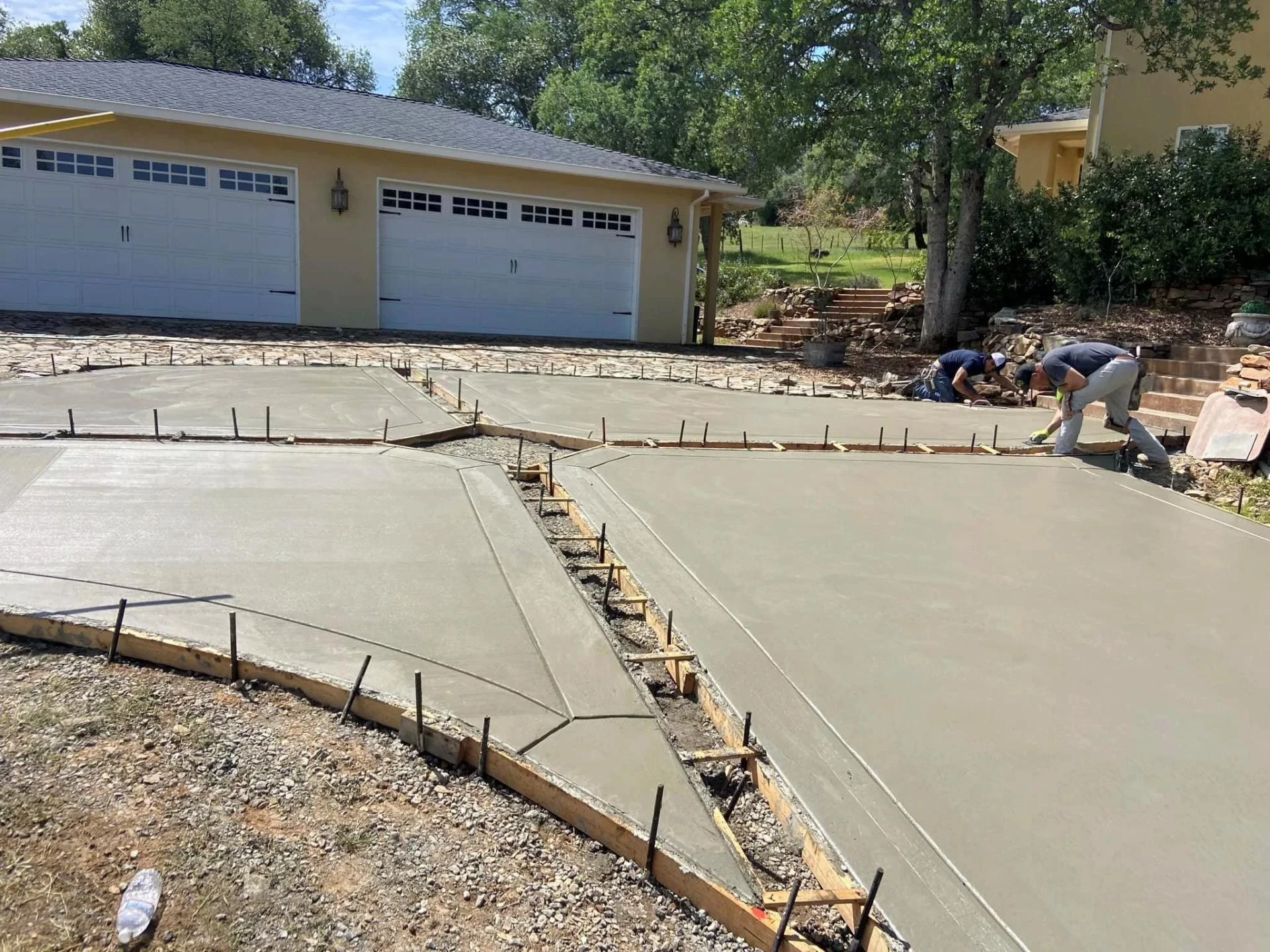
A concrete driveway is a long-term investment for any home. It carries the weight of vehicles every day and faces heat, rain, cold, and moisture year after year. If the construction is not done properly, cracks and damage can appear very early. Strong concrete driveways are built with correct planning, quality materials, and skilled workmanship, not just pouring cement on the ground.
Importance of Proper Site Preparation
Strong driveways always start with good ground preparation. The soil under the concrete must be stable and well compacted. Loose soil can settle later and cause cracks or sinking.
Before pouring concrete, professionals:
· Remove soft or muddy soil
· Compact the ground firmly
· Add a strong gravel base
Experienced concrete driveway contractors in Troy pay close attention to this step because the base supports the entire driveway.
Choosing the Right Concrete Mix
Not all concrete mixes are the same. A driveway needs concrete that can handle heavy loads and changing weather. Too much water in the mix makes concrete weak, even if it looks smooth at first.
A good driveway mix should:
· Have the right cement-to-water ratio
· Include proper aggregates like gravel
· Be strong enough for vehicle weight
Skilled concrete driveway contractors use mixes designed for driveways, not basic building concrete.
Correct Thickness for Strength
Concrete thickness plays a big role in long-term durability. Thin concrete cracks faster, especially under cars and trucks.
Most strong driveways require:
· At least 4 inches thickness for normal cars
· Thicker sections near garage entrances
· Extra strength where vehicles turn or stop
Professional concrete driveway contractors adjust thickness based on driveway use and layout.
Reinforcement to Prevent Cracks
Concrete is strong under pressure but weak when pulled apart. Reinforcement helps hold it together and control cracking.
Common reinforcement methods include:
· Steel rebar
· Wire mesh
· Fiber reinforcement in concrete
These materials help spread load evenly and reduce future damage. Reliable concrete driveway contractors always plan reinforcement before pouring.
Proper Slope and Drainage Planning
Water is one of the biggest enemies of concrete. If water stays on the driveway, it slowly weakens the surface.
Good driveway construction includes:
· A gentle slope to guide water away
· No low spots where water can collect
· Smooth drainage toward the street
Correct slope design protects the driveway from water damage over time.
Timing and Weather Conditions
Concrete should never be poured in extreme conditions without planning. Very hot or very cold weather can affect how concrete sets and gains strength.
Best practices include:
· Pouring during mild weather
· Protecting fresh concrete from direct sun
· Covering concrete in cold temperatures
Professional concrete driveway contractors know how to adjust work based on weather conditions.
Control Joints for Crack Management
Concrete naturally expands and contracts as temperatures change. Control joints are planned lines that allow concrete to move safely.
These joints:
· Reduce random cracking
· Improve appearance
· Extend driveway life
Without control joints, cracks appear in unwanted places and damage the surface.
Finishing for Safety and Durability
The surface finish is not just for looks. It also affects safety and strength.
Common driveway finishes include:
· Broom finish for slip resistance
· Light texture for better grip
· Sealed surfaces for protection
A proper finish helps prevent slipping and surface wear.
Curing Is a Critical Step
Curing is the process of keeping concrete moist while it gains strength. Many people overlook this step, but it is one of the most important parts of construction.
Good curing:
· Increases concrete strength
· Reduces surface cracks
· Improves long-term durability
Trusted concrete driveway contractors allow enough curing time before opening the driveway for use.
Regular Maintenance Extends Life
Even well-built driveways need basic care. Small cracks should be repaired early, and sealing should be done every few years.
Simple maintenance includes:
· Cleaning dirt and debris
· Sealing the surface periodically
· Avoiding heavy loads early
With good construction and care, concrete driveways can last decades.
Final Thoughts
Concrete driveway strength depends on many small but important steps. From ground preparation to curing, every stage matters. By working with experienced concrete driveway contractors in Troy, homeowners can ensure their driveway stays strong, safe, and durable for many years without costly repairs.