Commercial roofing is a critical aspect of maintaining a safe, efficient, and attractive business property. Unlike residential roofs, commercial roofs face unique challenges due to their size, flat designs, and heavy foot traffic. Investing in professional commercial roofing services ensures your building stays protected from weather, structural damage, and energy inefficiencies. This guide explores the essential aspects of commercial roofing, from installation to maintenance, and highlights the benefits of hiring experts for the job.
Understanding Commercial Roofing
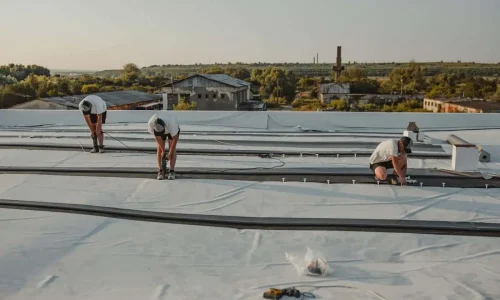
Commercial roofing refers to roofs installed on business properties, including offices, warehouses, retail stores, and industrial facilities. These roofs differ significantly from residential options in terms of materials, construction techniques, and maintenance requirements. Key types of commercial roofing include:
- Flat Roofs: Popular for offices and warehouses; allow easy installation of HVAC units and solar panels.
- Metal Roofing: Durable, energy-efficient, and resistant to fire and pests.
- Built-Up Roofing (BUR): Layers of asphalt and felt providing long-term protection.
- Single-Ply Membranes: Lightweight, flexible, and ideal for large flat surfaces.
Proper selection of materials and installation methods is crucial for ensuring the longevity of your commercial roof.
Benefits of Professional Commercial Roofing Services
Hiring professional commercial roofing services offers several advantages:
- Expert Assessment: Professionals can accurately assess the condition of your roof, identifying issues that may not be visible to the untrained eye.
- Quality Installation: Ensures your roofing materials are installed correctly, maximizing durability and efficiency.
- Regular Maintenance: Routine inspections and maintenance prevent costly repairs and extend the roof's lifespan.
- Safety Compliance: Experienced contractors adhere to safety standards, reducing the risk of accidents during installation or repair.
- Energy Efficiency: Modern roofing materials and installation techniques improve insulation, lowering energy costs.
Common Commercial Roofing Services
Commercial roofing services encompass a wide range of offerings designed to keep your roof in optimal condition. Some of the most common services include:
- Roof Installation: Complete installation for new construction or replacement of old roofs.
- Roof Repair: Fixing leaks, damage from weather, or structural problems.
- Roof Maintenance: Regular inspections, cleaning, and preventive measures to extend roof life.
- Roof Coating and Sealing: Enhances waterproofing, reduces UV damage, and improves energy efficiency.
- Emergency Services: Rapid response for unexpected damage caused by storms or accidents.
Each service is tailored to the specific needs of commercial properties, ensuring the best performance and protection for your building.
Choosing the Right Commercial Roofing Service
Selecting the right contractor is vital for ensuring quality and long-term performance. Consider these factors:
- Experience and Expertise: Look for contractors with a proven track record in commercial roofing.
- Material Knowledge: Professionals should recommend the best roofing materials for your building type and climate.
- Warranty and Support: Reliable services offer warranties on both materials and labor.
- Customer Reviews: Check testimonials and references to assess quality and satisfaction.
- Cost vs. Value: While price matters, prioritize services that provide long-term durability and efficiency.
Maintenance Tips for Commercial Roofs
Proper maintenance prolongs the life of your commercial roof. Key tips include:
- Regular Inspections: Schedule inspections at least twice a year to catch minor issues early.
- Clean Debris: Remove leaves, dirt, and other debris to prevent water accumulation.
- Check for Leaks: Monitor for water stains or damp areas inside your building.
- Address Repairs Promptly: Fix small damages immediately to avoid costly structural problems.
- Maintain Drainage Systems: Ensure gutters and drains are clear to prevent water pooling.
Final Thoughts
Investing in professional commercial roofing services is essential for protecting your business property, improving energy efficiency, and avoiding costly repairs. From installation to maintenance, expert contractors provide the knowledge, materials, and safety measures needed for long-lasting roof performance. By prioritizing regular inspections and professional care, your commercial roof can remain durable, functional, and visually appealing for years to come.
FAQs
Q1: How often should a commercial roof be inspected?
A: At least twice a year, and after major storms or extreme weather events.
Q2: What is the most durable commercial roofing material?
A: Metal roofing is highly durable, resistant to fire, and energy-efficient.
Q3: Can commercial roofs be repaired instead of replaced?
A: Yes, many minor damages can be repaired, but large-scale wear may require replacement.
Q4: How long does a typical commercial roof last?
A: Depending on the material, commercial roofs can last 20–50 years with proper maintenance.
Q5: Are commercial roofing services expensive?
A: Costs vary by roof size, materials, and service type, but professional services prevent costly future repairs and save money long-term.