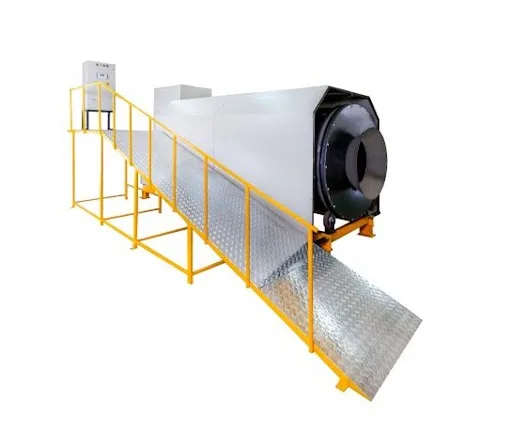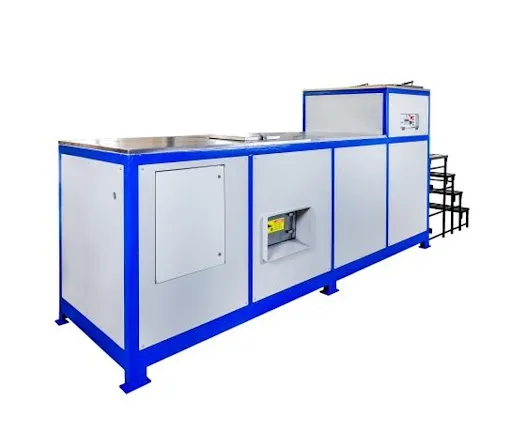
The first question most housing society committees, hotel managers and facility heads ask is simple: how much does a composting machine cost? The honest answer is that it depends. Two machines that both "make compost" can differ several times over in price, because they are built for very different volumes, levels of automation and sites. This article explains what drives the price, which running costs to plan for, and how to compare quotes fairly.
Why There Is No Single Price
A machine for a 50-flat building and one for a large township are different products, even if both turn food waste into compost. Price follows capacity, build quality and the support that comes with the machine. Comparing only the headline figure on two quotes often leads to the wrong choice: a cheaper unit that is undersized, needs constant labour or breaks down in its second year usually costs more in the end.
Seven Factors That Decide the Price
1. Capacity. Daily capacity in kilograms is the biggest cost driver. A machine rated for 1,000 kg a day needs a larger chamber, stronger motors and more material than one rated for 100 kg.
2. Level of automation. Fully automatic machines that shred, mix, aerate and control temperature on their own cost more upfront than semi-automatic ones, but they save staff time every single day.
3. Built-in shredder. Shredding speeds up composting and handles mixed food waste better. Machines with an integrated shredder cost more than those that need a separate one or none at all.
4. Build material. The drum or chamber may be stainless steel, or mild steel with an FRP lining. Material affects resistance to corrosion from wet, acidic food waste, and therefore the machine's life.
5. Motor size and power. Larger machines need a higher connected load. This affects both the purchase price and the monthly electricity cost.
6. Installation and site work. A covered shed, drainage, a power point and space for curing compost may all be needed. Some suppliers include installation; others charge separately.
7. Warranty, service and AMC. A longer warranty and an annual maintenance contract add to the cost but protect you from long breakdowns, which matter most during festivals and peak seasons.
Running Costs to Plan For
The purchase price is only part of the picture. Before approving any organic waste composter machine, include these ongoing costs in your budget:
- Electricity for motors, shredding and heating, if any.
- Bulking material such as sawdust, added to balance moisture.
- Staff time for daily loading and removing compost.
- Maintenance and spares, including blades, bearings and seals.
- Curing space for compost to mature before use.
The Savings Side
Running costs should be weighed against what the machine saves. Wet waste no longer leaves the premises, so collection trips and landfill charges fall. The site stays cleaner, and the compost can replace bought-in manure for gardens and landscaping. For bulk waste generators, on-site processing also helps meet the expectations of India's Solid Waste Management Rules, 2016.
How to Compare Quotes Fairly
| Question to ask the supplier | Why it matters |
|---|---|
| What is the rated capacity in kg per day? | An undersized machine cannot keep up on busy days |
| Is it fully automatic or semi-automatic? | Affects daily labour and consistency |
| Is a shredder included? | Changes speed and the type of waste it handles |
| What is the drum or chamber made of? | Decides corrosion resistance and lifespan |
| What is the connected load? | Drives your monthly power bill |
| What does installation include? | Avoids surprise site-work costs |
| What warranty and AMC are offered? | Protects you from long breakdowns |
Choosing the Right Machine
Start by weighing your wet waste for one to two weeks, including peak days. Choose a waste composting machine rated for your busiest day plus 20–30% extra for growth. Then shortlist two or three suppliers, ask each one the same questions from the table above, and compare the total cost over five years rather than the purchase price alone. Visiting a working installation near you is the best way to judge real performance.
Conclusion
There is no single price for a composting machine, and there should not be. The right machine for your site depends on how much waste you produce, how much automation you need and how much support you expect. By comparing capacity, build, running costs and service, not just the headline figure, you can choose a machine that stays useful for years.
Smart Enviro Systems manufactures automatic composters for housing societies, hotels, hospitals and institutions across India, with more than 900 clients and systems handling from 50 kg to 300 tons of waste a day.