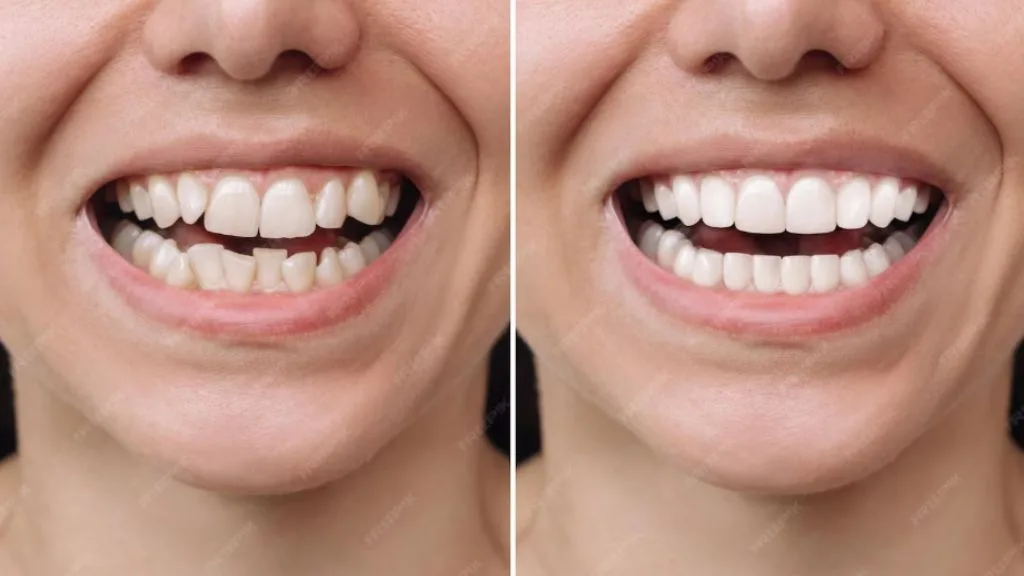
A bright, confident smile can make a lasting impression, and composite bonding has become one of the most popular cosmetic dental treatments for improving chipped, stained, or uneven teeth. While many people research the composite bonding cost before booking an appointment, maintaining the results is just as important as the initial treatment. Proper care helps your bonded teeth stay attractive for years, reducing the need for repairs or replacements and making your investment worthwhile. Whether you've recently had composite bonding or you're considering the procedure, understanding how to care for your new smile can help you achieve long-lasting results. Here are the most effective maintenance tips every patient should know.
Why Composite Bonding Needs Regular Care
Composite bonding uses a tooth-coloured resin that is carefully shaped and polished to blend naturally with your existing teeth. Although the material is durable, it isn't indestructible. Daily habits, food choices, and oral hygiene all affect how long the bonding lasts.
Unlike natural enamel, composite resin can stain over time and may chip if exposed to excessive pressure. Fortunately, a consistent care routine can significantly extend its lifespan and maintain its natural appearance.
Maintain Excellent Oral Hygiene
The simplest way to protect your composite bonding is by following good oral hygiene habits every day.
Brush Twice Daily
Use a soft-bristled toothbrush with a non-abrasive toothpaste. Harsh whitening products may scratch the resin surface, making it more likely to stain.
Floss Every Day
Flossing removes plaque and food particles from between the teeth and along the gumline. Healthy gums also help support the overall appearance of your smile.
Use an Alcohol-Free Mouthwash
Some mouthwashes containing high alcohol levels may gradually affect the bonding material. Choosing an alcohol-free alternative is a safer option for long-term care.
Be Careful with Staining Foods and Drinks
Although composite bonding is polished to resist stains, it isn't completely stain-proof. Certain foods and beverages can gradually dull its appearance.
Try to limit frequent consumption of:
- Coffee
- Tea
- Red wine
- Cola drinks
- Curry
- Soy sauce
- Dark berries
You don't need to eliminate these foods completely. Drinking water afterwards or rinsing your mouth can reduce staining. Using a straw for cold drinks can also minimise direct contact with the bonded teeth.
Avoid Using Your Teeth as Tools
Many people unconsciously use their teeth to open packaging, bite fingernails, or chew on pens. These habits place unnecessary pressure on the composite resin and can cause chips or cracks.
Instead, use the proper tools for opening packages and avoid chewing on hard objects whenever possible.
Watch What You Eat
Certain foods can increase the risk of damaging composite bonding.
Foods to be cautious with include:
- Ice cubes
- Hard lollies
- Popcorn kernels
- Nuts with shells
- Hard biscuits
Cut harder foods into smaller pieces and chew evenly across both sides of your mouth to reduce pressure on individual teeth.
Wear a Mouthguard If You Grind Your Teeth
Teeth grinding, also known as bruxism, can gradually wear down or damage composite bonding. Many people grind their teeth while sleeping without even realising it.
If your dentist notices signs of grinding, they may recommend a custom-made night guard. Similarly, if you play contact sports, wearing a sports mouthguard helps protect both your natural teeth and bonded restorations from accidental impacts.
Visit Your Dentist Regularly
Routine dental check-ups remain essential after composite bonding.
Professional examinations allow your dentist to:
- Check the condition of the bonding
- Polish away minor surface stains
- Identify small chips before they worsen
- Monitor your overall oral health
Professional cleaning also removes plaque and tartar that regular brushing cannot eliminate.
Most people benefit from dental check-ups every six months, although your dentist may suggest a different schedule based on your individual needs.
Don't Skip Professional Polishing
Over time, composite bonding can lose some of its original shine. Professional polishing restores much of its smooth finish and helps maintain a natural appearance.
Avoid trying DIY polishing products found online, as they may damage the resin rather than improve it.
Understand That Bonding Doesn't Last Forever
Composite bonding is durable, but it isn't considered a permanent treatment.
Depending on your oral hygiene, eating habits, and lifestyle, bonding often lasts between five and ten years before requiring repairs or replacement.
Factors that influence longevity include:
- Daily oral hygiene
- Smoking
- Diet
- Teeth grinding
- Regular dental maintenance
Taking proper care helps maximise the lifespan of your treatment and reduces long-term maintenance costs.
Does Good Maintenance Save Money?
Many patients compare the composite bonding price offered by different dental clinics before deciding where to have treatment. While affordability matters, ongoing maintenance often has a bigger impact on long-term value.
Looking after your bonded teeth means fewer repairs, fewer replacements, and less additional dental work in the future. Even if the initial treatment represents a significant investment, proper care can help you avoid unnecessary expenses over time.
Choosing an experienced dentist and following their aftercare advice is often more cost-effective than seeking the cheapest option available.
Everyday Habits That Make a Difference
Small daily habits have a surprisingly large impact on maintaining your smile.
Helpful habits include:
- Brushing gently with a soft toothbrush.
- Flossing every evening.
- Drinking plenty of water throughout the day.
- Limiting tobacco products.
- Wearing a night guard if recommended.
- Visiting your dentist for routine check-ups.
- Avoiding biting hard objects.
These simple practices help keep both your natural teeth and composite bonding looking their best.
Summary
Composite bonding is an excellent cosmetic solution for improving the appearance of your smile, but lasting results depend on consistent care. While many people focus on the composite bonding cost before treatment, protecting your investment through good oral hygiene, sensible eating habits, and regular dental visits is equally important. Comparing the composite bonding price between clinics is worthwhile, but choosing quality treatment and following proper maintenance advice will often deliver better long-term value. With the right care, your bonded teeth can remain attractive, functional, and confidence-boosting for many years.