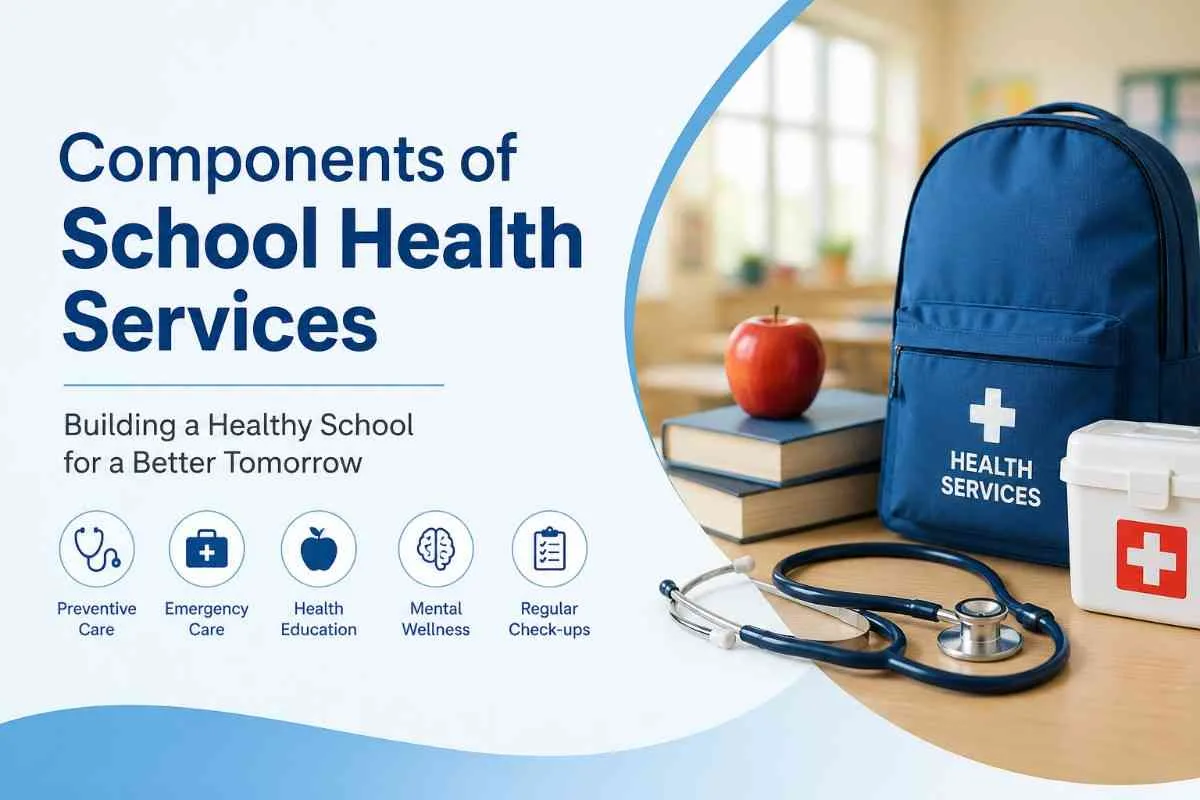
Schools play an important role in shaping the physical, mental, and emotional well-being of children. A healthy student is more likely to attend school regularly, participate in classroom activities, and perform better in academics. This is why school health services have become an essential part of every educational institution.
School health services include preventive healthcare, emergency medical care, health education, disease prevention, mental health support, and health monitoring. These services help create a safe environment where students can grow, learn, and develop without unnecessary health risks.
With increasing concerns about infectious diseases, lifestyle disorders, mental health issues, and sports injuries, schools are now adopting professional healthcare management systems. Many educational institutions partner with specialized healthcare providers to ensure students receive timely and quality medical support.
In this blog, we will discuss the major components of school health services and why professional medical management has become essential for schools across India.
What Are School Health Services?
School health services are organized healthcare programs designed to protect and improve the health of students, teachers, and school staff. These services aim to prevent illnesses, detect health problems early, manage emergencies, and promote healthy habits.
A well-managed school health program supports the overall development of children by ensuring they remain physically and mentally fit throughout their academic journey.
Major Components of School Health Services
1. Health Assessment and Regular Health Check-ups
Routine medical examinations are one of the most important components of school health services.
Regular health screenings help identify:
- Vision problems
- Hearing issues
- Dental problems
- Growth abnormalities
- Nutritional deficiencies
- Chronic diseases
- Developmental disorders
Periodic health assessments help schools identify medical concerns before they become serious.
2. Emergency Medical Care
Medical emergencies can happen anytime in schools.
Students may experience:
- Falls and injuries
- Sports accidents
- Allergic reactions
- Asthma attacks
- High fever
- Seizures
- Fractures
- Burns
Schools should have trained medical staff, first aid facilities, emergency medicines, and proper referral systems for hospitals. Immediate treatment can significantly reduce complications during emergencies.
3. First Aid Services
Every school should maintain a fully equipped first aid room.
Basic first aid services include:
- Wound cleaning and dressing
- Bandaging
- Ice pack application
- Minor burn treatment
- Fever management
- Sprain care
- Monitoring until parents arrive
Having trained healthcare professionals ensures students receive proper care before advanced treatment is needed.
4. Immunization Support
Vaccination plays a major role in preventing infectious diseases among children.
School health services often coordinate vaccination programs with healthcare authorities and parents to ensure students receive recommended immunizations.
These programs help reduce the spread of diseases within schools and protect the wider community.
5. Health Education
Health education teaches students how to make healthy lifestyle choices.
Topics usually include:
- Personal hygiene
- Nutrition
- Hand washing
- Physical fitness
- Menstrual hygiene
- Oral health
- Mental wellness
- Substance abuse awareness
- Digital health and screen time management
When children learn healthy habits early, they are more likely to maintain them throughout life.
6. Nutrition Monitoring
Proper nutrition directly affects learning, concentration, and physical development.
School healthcare teams monitor:
- Height and weight
- Body Mass Index (BMI)
- Nutritional deficiencies
- Eating habits
- Growth patterns
Nutrition counselling helps parents and schools support healthy eating practices for children.
7. Mental Health Support
Mental health has become one of the most important components of school health services.
Students may experience:
- Anxiety
- Stress
- Depression
- Academic pressure
- Bullying
- Social isolation
- Emotional challenges
Professional counselling services, emotional wellness programs, and psychological support help students cope with these challenges and improve their overall well-being.
8. Communicable Disease Prevention
Schools are highly vulnerable to the spread of infectious diseases because students spend long hours together.
School health programs focus on preventing diseases such as:
- Influenza
- Chickenpox
- COVID-19
- Conjunctivitis
- Viral fever
- Hand, Foot and Mouth Disease
Preventive measures include:
- Health screening
- Isolation protocols
- Hygiene awareness
- Sanitization
- Infection control practices
These measures reduce absenteeism and protect both students and staff.
9. Medical Record Management
Maintaining accurate medical records helps schools respond quickly during emergencies.
Medical records generally include:
- Vaccination history
- Allergy details
- Blood group
- Existing medical conditions
- Medication records
- Emergency contact information
- Previous illnesses
Digital record management makes healthcare delivery faster and more efficient.
10. Management of Chronic Diseases
Many students attend school with long-term medical conditions.
These may include:
- Asthma
- Diabetes
- Epilepsy
- Heart conditions
- Severe allergies
School healthcare professionals prepare individualized care plans to ensure these students receive proper support throughout the school day.
11. Safe School Environment
School health services also contribute to creating a healthy campus.
This includes monitoring:
- Drinking water quality
- Classroom hygiene
- Washroom cleanliness
- Food safety in cafeterias
- Playground safety
- Waste disposal systems
- Air quality
A clean and safe environment significantly reduces health risks.
12. Health Promotion Activities
Health services extend beyond treating illnesses.
Schools organize various wellness activities such as:
- Health awareness campaigns
- Yoga sessions
- Sports and fitness programs
- Hygiene drives
- Mental health workshops
- Nutrition awareness programs
These initiatives encourage students to adopt healthy lifestyles.
13. Parent Health Communication
Parents are important partners in maintaining children's health.
School healthcare teams regularly communicate with parents regarding:
- Medical reports
- Health concerns
- Vaccination reminders
- Nutritional guidance
- Emergency incidents
- Preventive healthcare recommendations
Effective communication ensures continuity of care both at school and at home.
14. Staff Healthcare Support
School health services also benefit teachers and non-teaching staff.
Services may include:
- Health check-ups
- First aid support
- Emergency medical assistance
- Vaccination programs
- Wellness sessions
- Occupational health guidance
Healthy staff members contribute to a safer and more productive learning environment.
Challenges Schools Face in Managing Health Services
Many educational institutions struggle to manage healthcare internally because of:
- Shortage of trained medical professionals
- Lack of medical infrastructure
- Limited emergency preparedness
- Increasing student strength
- Administrative burden
- Compliance with healthcare standards
As a result, schools are increasingly outsourcing healthcare management to experienced medical service providers.
Why Schools Choose Professional School Health Service Providers
Professional healthcare partners offer complete medical management solutions under one system.
Benefits include:
- Qualified doctors and nurses
- Fully equipped medical rooms
- Emergency response systems
- Health screening programs
- Medical record management
- Ambulance coordination
- Preventive healthcare initiatives
- Mental wellness programs
- Compliance with healthcare guidelines
This allows school administrators to focus on education while healthcare experts manage student wellness.
Blue Circle Medi Services: Trusted School Health Services Provider in India
Blue Circle Medi Services is India's leading provider of school healthcare and medical facility management solutions. The company helps schools create safe, healthy, and well-managed campuses through professional healthcare support.
Its school health services are designed to meet the healthcare needs of students, teachers, staff, and visitors while ensuring quick medical assistance whenever required.
Blue Circle Medi Services offers:
- Qualified doctors and experienced nursing staff
- Complete school medical room management
- Emergency medical response and first aid support
- Annual and periodic health check-up programs
- Student health record management
- Preventive healthcare initiatives
- Vaccination coordination
- Mental wellness and health awareness programs
- Infection prevention and disease control measures
- Ambulance and hospital referral support
By outsourcing school healthcare management to Blue Circle Medi Services, educational institutions can ensure reliable medical care, better emergency preparedness, improved compliance, and enhanced confidence among parents.
Whether it is a day school, boarding school, college, university, or educational campus, Blue Circle Medi Services delivers customized healthcare solutions that support a healthier learning environment.
Conclusion
School health services are much more than first aid or treating minor illnesses. They are a comprehensive system that supports the physical, mental, emotional, and social well-being of students while creating a safe educational environment.
From regular health check-ups and emergency medical care to mental health support, disease prevention, nutrition monitoring, and health education, every component plays an important role in improving student health and academic success.
As schools continue to expand and healthcare needs become more complex, partnering with professional providers like Blue Circle Medi Services ensures that educational institutions can deliver high-quality medical care without adding administrative burden. Investing in comprehensive school health services today helps build healthier students, stronger schools, and a brighter future for every child.