
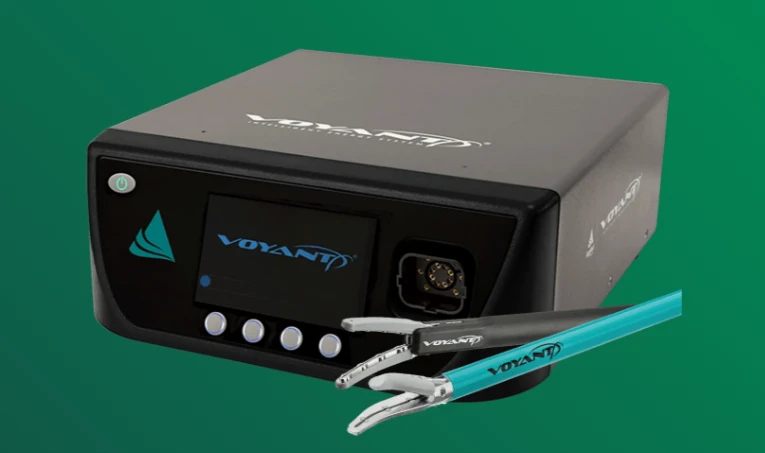
Precision matters in veterinary surgery. Blood loss, longer procedures, and tissue damage can make recovery harder for animals. Tissue sealing technology helps surgeons work faster and safer by sealing blood vessels without sutures. The right device can cut down on surgery time and improve healing.
Two popular options stand out. One is the Caiman Vessel Sealer. Another is a standard vessel sealing device. Both seal blood vessels, but they work in different ways.
How Tissue Sealing Technology Works
Tissue sealing technology uses energy to seal blood vessels. Instead of tying off vessels with sutures or using cautery, these devices apply heat and pressure. This stops bleeding and helps maintain a clear surgical field.
These tools lower the risk of complications. They also prevent thermal spread, which can damage healthy tissue. A strong seal means less need for extra stitches. This makes them ideal for many surgeries, from spays to tumor removal.
Caiman Vessel Sealer: Features and Benefits
The Caiman Vessel Sealer has a 26.5mm sealing length, which is the longest among similar devices. This allows it to seal and cut more tissue at once. The hinged jaw design helps by closing the tip first, capturing tissue and preventing slippage.
Other key features:
- Even compression along the jaw for a strong, consistent seal.
- 360° shaft rotation for better positioning during surgery.
- Available in different lengths for both open and laparoscopic procedures.
This device works well for many surgeries, including spays, splenectomies, and tumor resections.
Comparing with Other Vessel Sealing Devices
Some vessel sealers require multiple passes to create a full seal. The Caiman’s one-seal confidence makes that unnecessary. It applies even pressure from distal to proximal, reducing the need for repeated sealing.
Many standard devices do not have a hinged jaw. This can lead to uneven pressure, which may weaken the seal. The longer sealing surface of the Caiman also allows surgeons to work more efficiently.
Both devices can be used for various procedures. The best choice depends on the surgeon’s preference and the type of surgery.
How to Choose the Right Tissue Sealing Device
Look for:
- Tissue sealing technology that creates a strong seal in one step.
- A design that prevents tissue slippage.
- A jaw length that matches the needs of different surgeries.
The right tool improves speed, precision, and patient outcomes.
Conclusion
A reliable tissue sealing technology can make surgery smoother and safer. The Caiman Vessel Sealer stands out for its strong, even compression and long sealing length. Choosing the right device helps ensure better surgical results and faster recovery for animals.