Whether used in water treatment plants, chemical processing facilities, irrigation networks, or industrial utility systems, a properly installed non-return valve helps protect pumps, pipelines, and equipment from backflow-related damage.
However, even a high-quality UPVC NRV valve can experience premature failure if it is installed incorrectly. Many operational problems, including leakage, reduced flow efficiency, water hammer, and valve malfunction, are often caused by installation errors rather than product defects.
At Yukon Industries, we understand that proper valve selection and installation are equally important for achieving reliable system performance. This guide highlights the most common UPVC NRV valve installation mistakes and provides practical recommendations to help engineers, contractors, maintenance teams, and plant operators avoid costly issues.
What Is a UPVC NRV Valve?
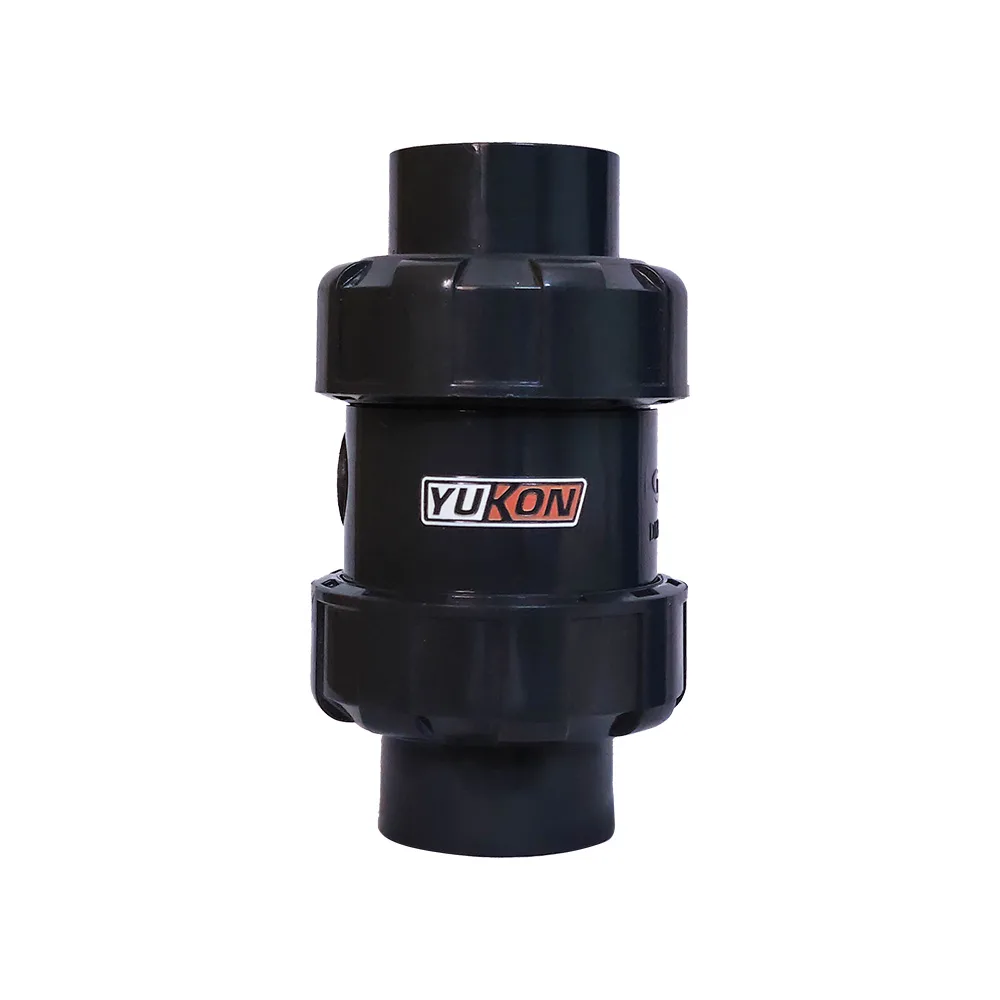
A UPVC NRV valve (Unplasticized Polyvinyl Chloride Non-Return Valve) is designed to allow fluid to flow in one direction while automatically preventing reverse flow. Unlike manually operated valves, a non-return valve functions without external control by opening when forward pressure is applied and closing when the flow reverses.
UPVC is widely used for manufacturing NRV valves because it offers:
- Excellent corrosion resistance
- Good chemical compatibility
- Lightweight construction
- Low maintenance requirements
- Smooth internal surfaces for efficient flow
- Long service life in suitable operating conditions
These advantages make UPVC NRV valve solutions a preferred choice for many industrial fluid handling applications.
Why Proper Installation Matters
A non-return valve is designed to operate automatically based on system pressure. Incorrect installation can interfere with its movement, reduce sealing efficiency, and increase wear on internal components.
Proper installation helps:
- Prevent backflow
- Protect pumps from reverse rotation
- Minimize pressure loss
- Reduce maintenance requirements
- Improve system reliability
- Extend valve service life
Following recommended installation practices also helps maintain consistent performance throughout the valve's operating life.
Common UPVC NRV Valve Installation Mistakes
1. Installing the Valve in the Wrong Flow Direction
One of the most common installation mistakes is placing the valve opposite to the intended flow direction.
Every UPVC NRV valve includes a flow direction arrow marked on the valve body. Installing the valve against this direction prevents proper operation and may completely block flow.
How to Avoid It
Always verify the flow direction before installation and ensure the arrow matches the actual direction of fluid movement.
2. Selecting the Wrong Valve Size
Choosing a valve based solely on pipeline size can lead to performance problems.
An oversized valve may not close efficiently at low flow rates, while an undersized valve can create excessive pressure loss and flow restrictions.
How to Avoid It
Select the UPVC NRV valve according to:
- Pipe diameter
- Flow rate
- Operating pressure
- Pump capacity
- System design requirements
Proper sizing ensures reliable operation and efficient flow control.
3. Installing Without Proper Pipe Support
UPVC valves are lightweight but should never be expected to support the weight of the piping system.
Unsupported pipelines place excessive mechanical stress on the valve body, increasing the risk of leakage, distortion, or joint failure.
How to Avoid It
Install adequate pipe supports on both sides of the valve to minimize stress and maintain proper alignment.
4. Ignoring Operating Pressure Requirements
Every UPVC NRV valve has a specified pressure rating.
Installing a valve in a system that exceeds its design limits can reduce performance and shorten service life.
How to Avoid It
Confirm:
- Maximum working pressure
- Pump discharge pressure
- Pressure fluctuations
- Surge pressure during operation
Always select a valve with a suitable pressure rating for the application.
5. Over-Tightening Threaded Connections
Applying excessive force during installation is a common mistake.
Over-tightening threaded connections may damage the valve body or threads, especially in thermoplastic materials.
How to Avoid It
Use the recommended tightening torque provided by the manufacturer and avoid excessive mechanical force during assembly.
6. Installing in an Inaccessible Location
Routine inspection and maintenance become difficult when valves are installed in confined or obstructed areas.
Even though a UPVC NRV valve requires minimal maintenance, accessibility remains important for periodic inspection.
How to Avoid It
Install the valve where maintenance personnel can easily inspect, remove, or replace it if necessary.
7. Failing to Clean the Pipeline Before Installation
Construction debris, welding residue, sand, and dirt can damage internal sealing surfaces.
Foreign particles may prevent the valve from closing properly, resulting in leakage or reduced efficiency.
How to Avoid It
Flush and clean the piping system thoroughly before installing the UPVC NRV valve.
8. Ignoring Temperature Limitations
UPVC performs well within its recommended operating temperature range, but excessive temperatures can reduce its mechanical strength.
How to Avoid It
Verify that the process temperature remains within the manufacturer's recommended operating limits before installation.
Applications involving elevated temperatures may require alternative valve materials.
9. Using the Wrong Sealants or Adhesives
Using incompatible sealants can affect joint integrity and lead to leakage.
Certain chemical products may also damage thermoplastic materials over time.
How to Avoid It
Use only sealants, thread compounds, and solvent cements recommended for UPVC piping systems.
10. Skipping Pressure Testing After Installation
Many installations are commissioned without verifying system integrity.
This increases the likelihood of unnoticed leaks or installation defects.
How to Avoid It
Perform pressure testing according to applicable standards before placing the system into regular operation.
Testing confirms that the UPVC NRV valve has been installed correctly and operates as intended.
Best Practices for Installing a UPVC NRV Valve
To maximize valve performance and service life, follow these recommended practices:
- Verify flow direction before installation.
- Ensure correct valve sizing.
- Support pipelines adequately.
- Maintain proper pipe alignment.
- Clean pipelines before installation.
- Use compatible sealing materials.
- Avoid excessive tightening.
- Test the system before commissioning.
- Follow the manufacturer's installation instructions.
Adhering to these practices helps reduce maintenance costs and improve overall system reliability.
Typical Applications of UPVC NRV Valve
A UPVC NRV valve is commonly used in industries where reliable backflow prevention is required.
These include:
Water Treatment Plants
Protecting pumps and filtration systems from reverse flow.
Chemical Processing
Handling compatible chemicals while preventing contamination between process lines.
Irrigation Systems
Maintaining one-way water flow and protecting pumping equipment.
Industrial Utilities
Managing process water distribution in manufacturing facilities.
Swimming Pool Systems
Preventing reverse circulation within filtration and pumping systems.
Wastewater Treatment
Supporting efficient flow control while resisting corrosion in compatible applications.
Maintenance Tips
Although a UPVC NRV valve requires relatively little maintenance, regular inspections improve long-term reliability.
Recommended maintenance includes:
- Inspecting for visible leaks
- Checking valve movement during scheduled shutdowns
- Cleaning external surfaces
- Verifying pipeline supports
- Replacing worn seals when necessary
- Monitoring pressure and flow performance
Preventive maintenance helps identify potential issues before they affect system performance.
Why Choose Yukon Industries?
Yukon Industries manufactures industrial valve solutions designed for dependable performance across a wide range of applications. Every product is developed with attention to quality, precision manufacturing, and consistent performance to support the demanding requirements of modern industries.
By combining engineering expertise, stringent quality control, and application-focused solutions, Yukon Industries provides valve products that help improve operational efficiency, minimize maintenance, and support long-term system reliability.
Conclusion
A UPVC NRV valve is a reliable solution for preventing reverse flow in industrial piping systems, but its performance depends heavily on correct installation. Mistakes such as incorrect flow direction, poor pipe support, improper sizing, over-tightening, and inadequate pressure testing can significantly reduce valve efficiency and service life.
By understanding these common installation errors and following proven best practices, engineers and maintenance teams can improve system reliability, reduce downtime, and extend equipment life.
Choosing a high-quality UPVC NRV valve from a trusted manufacturer like Yukon Industries, combined with proper installation and routine maintenance, helps ensure safe, efficient, and long-lasting operation in a wide variety of industrial applications.