High cholesterol is a common health issue today. Many people have it without knowing because it often does not cause clear signs at the start. The problem slowly builds inside the body and may lead to serious health conditions if not managed on time. Knowing about high cholesterol symptoms can help people take early action and protect their heart health.
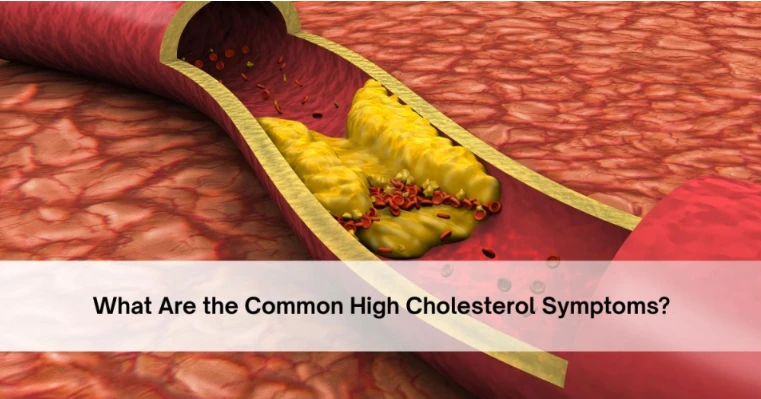
Cholesterol is a fatty substance found in the blood. Our body needs a small amount of cholesterol to function properly. It helps in making hormones and supporting cell growth. However, when cholesterol levels rise too much, it starts collecting in the blood vessels. This can slow down or block blood flow, which increases the risk of heart problems.
Why High Cholesterol Is Hard to Notice
One of the biggest dangers of high cholesterol is that it usually develops without pain or visible warning signs. Many people feel normal even when their cholesterol levels are high. This is why doctors often call it a “silent” condition. Still, the body may show small signs over time, especially when cholesterol starts affecting blood circulation.
Understanding high cholesterol symptoms does not mean waiting for major problems. It means paying attention to changes in the body and getting regular health checkups.
Common High Cholesterol Symptoms You Should Know
Although high cholesterol does not always show direct signs, some symptoms may appear as the condition worsens.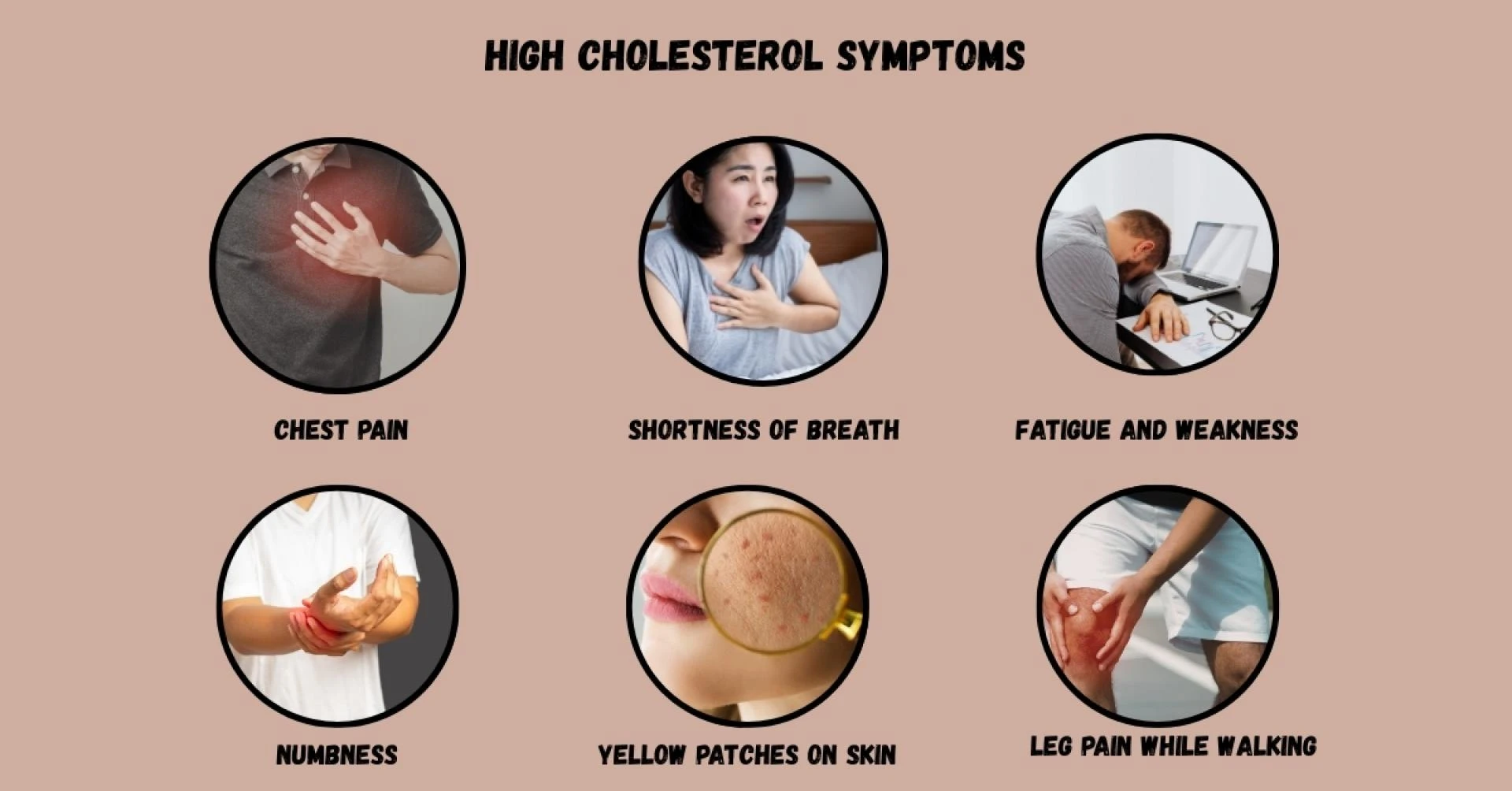
1. Chest Pain or Discomfort
Chest pain can occur when cholesterol blocks blood flow to the heart. This condition is linked to heart disease. You may feel pressure, heaviness, or tightness in the chest, especially during physical activity. This is one of the serious high cholesterol symptoms that should not be ignored.
2. Shortness of Breath
When blood flow becomes restricted, the heart may not pump oxygen properly. This can lead to breathing trouble, even during simple activities like walking or climbing stairs. Shortness of breath can be an early sign that cholesterol is affecting the heart.
3. Fatigue and Weakness
Feeling tired all the time without a clear reason may be linked to poor blood circulation. When cholesterol blocks arteries, less oxygen reaches muscles and organs. This can cause constant weakness and low energy levels.
4. Numbness or Tingling Sensation
High cholesterol can affect blood flow to the arms and legs. This may cause numbness, tingling, or a cold feeling in the hands and feet. These sensations are often ignored, but they can be warning signs.
5. Yellow Patches on Skin
In some cases, cholesterol may form yellowish patches around the eyes, elbows, knees, or hands. These patches are made of fat deposits and can be one of the visible high cholesterol symptoms, especially in people with very high levels.
6. Leg Pain While Walking
Pain or cramping in the legs during walking may occur due to poor blood flow. This happens when cholesterol narrows the arteries in the legs. The pain usually reduces after resting but may return with movement.
How High Cholesterol Affects the Body
High cholesterol mainly affects the heart and blood vessels. Over time, fatty deposits build up inside arteries. This condition reduces blood flow and increases pressure on the heart. If left untreated, it may lead to a heart attack or stroke.
The brain also depends on steady blood flow. When cholesterol blocks arteries leading to the brain, it can raise the risk of memory problems or stroke. This is why understanding high cholesterol symptoms is important for overall health.
Who Is at Risk of High Cholesterol?
Some people are more likely to develop high cholesterol than others. Risk factors include:
- Eating foods high in oil and fat
- Lack of physical activity
- Being overweight
- Smoking
- Family history of cholesterol problems
- Growing older
People with diabetes or high blood pressure also have a higher risk.
Why Regular Testing Is Important
Because high cholesterol symptoms may not appear early, regular blood tests are the best way to know your cholesterol levels. A simple blood test can measure total cholesterol, bad cholesterol, good cholesterol, and fat levels.
Doctors often suggest testing every few years, especially for adults over 30 or people with risk factors. Early testing helps prevent long-term damage.
Can Lifestyle Changes Reduce Symptoms?
Yes, healthy lifestyle habits play a big role in controlling cholesterol levels. Simple changes can improve heart health and reduce the chances of symptoms.
Eating balanced meals with fruits, vegetables, whole grains, and lean protein can help. Reducing oily and fried foods is also important. Regular exercise, even light walking, improves blood flow and lowers bad cholesterol.
Avoiding smoking and limiting alcohol intake can also protect the heart. These steps may not remove cholesterol completely, but can slow its buildup.
When to See a Doctor
If you notice chest discomfort, breathing trouble, frequent tiredness, or leg pain, you should consult a doctor. These may be signs that cholesterol is affecting your heart or blood vessels.
Even without visible high cholesterol symptoms, people with a family history or unhealthy lifestyle should seek medical advice. Early treatment can prevent serious health problems.
Final Thoughts
High cholesterol is a silent condition that can quietly harm the body over time. Many people remain unaware until serious complications occur. Knowing the common high cholesterol symptoms helps in identifying risks early and taking timely action.
Healthy habits, regular checkups, and proper medical guidance are key to managing cholesterol levels. Paying attention to small changes in your body can make a big difference in protecting your heart and overall health.
Early care is always better than late treatment. Taking cholesterol seriously today can help you live a healthier life tomorrow.