
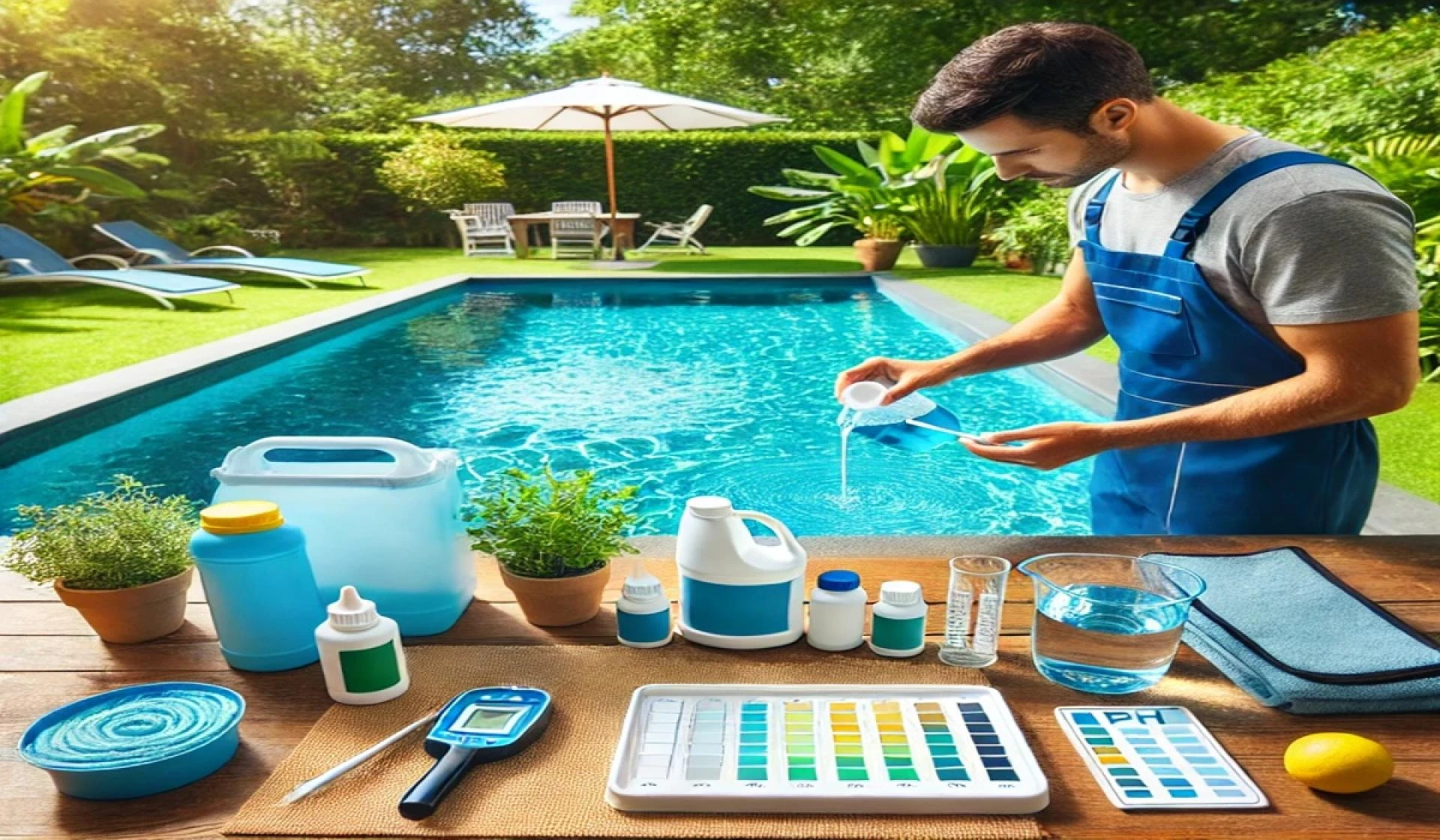
Keeping your pool water balanced is crucial for maintaining a safe and enjoyable swimming environment. One of the key aspects of water balance is managing the pH level. Many pool owners use hydrochloric acid for pools to lower high pH, but mistakes in the process can lead to various problems. Understanding these common errors can help you avoid costly repairs and ensure your pool stays in top condition.
1. Adding Too Much Acid at Once
A common mistake pool owners make is pouring too much acid into the water at one time. This can cause a sudden drop in pH, leading to overly acidic water. Low pH can damage pool surfaces, corrode metal fixtures, and irritate swimmers’ eyes and skin. Always add acid gradually and test the water between doses to ensure a balanced level.
2. Not Testing the Water Regularly
Many pool owners neglect regular water testing, which is essential for keeping the pH level stable. pH can fluctuate due to factors like rain, heavy pool usage, and the addition of other chemicals. To prevent imbalances, test your pool water at least twice a week and adjust as needed.
3. Ignoring Total Alkalinity Levels
pH and total alkalinity work together, and an imbalance in one can affect the other. If alkalinity is too low, pH levels can become unstable and fluctuate frequently. On the other hand, high alkalinity makes it harder to adjust pH. Always check both levels when balancing your pool chemistry.
4. Adding Chemicals at the Wrong Time
The timing of chemical additions can impact their effectiveness. Some pool owners add chemicals during peak sunlight hours, which can reduce their effectiveness due to evaporation and breakdown. It’s best to add chemicals in the early morning or evening when the sun is not as strong.
5. Not Allowing Proper Circulation
After adding chemicals, proper circulation is needed to ensure even distribution throughout the pool. Some pool owners pour chemicals into one spot and expect them to spread naturally. Always run the pool pump for a few hours after adding chemicals to ensure they mix properly.
6. Using Incorrect Measuring Tools
Measuring chemicals by eye or using incorrect tools can lead to improper dosages. Always use a proper measuring cup or scale designed for pool chemicals to ensure accuracy. Over- or under-dosing can result in pH imbalances and other water quality issues.
7. Over-Reliance on Pool Shock
Pool shock is essential for sanitisation, but excessive use can raise pH levels and throw off the water balance. Instead of relying solely on shock treatments, maintain proper chlorine levels and regularly check pH and alkalinity.
8. Not Considering Environmental Factors
External factors such as rainfall, heat, and debris can affect pH levels. Rainwater is often acidic and can lower pH, while high temperatures and evaporation can increase it. Keeping an eye on the weather and adjusting your pool maintenance routine accordingly can help maintain balance.
9. Mixing Chemicals Incorrectly
Some pool owners mix different chemicals together before adding them to the water, which can be dangerous and reduce effectiveness. Always add chemicals separately and follow manufacturer instructions to avoid unwanted reactions.
10. Skipping Professional Advice
Many pool owners attempt to manage their pool chemistry without seeking expert guidance. If you’re unsure about adjusting pH levels, consult a pool professional. They can offer tailored advice based on your pool’s specific needs and help you avoid costly mistakes.
Final Thoughts
Balancing pool pH is essential for maintaining a clean, safe, and long-lasting swimming environment. By avoiding these common mistakes, you can ensure your pool water remains clear and comfortable for all swimmers. Regular testing, careful chemical handling, and proper circulation are key to keeping your pool in great shape year-round.